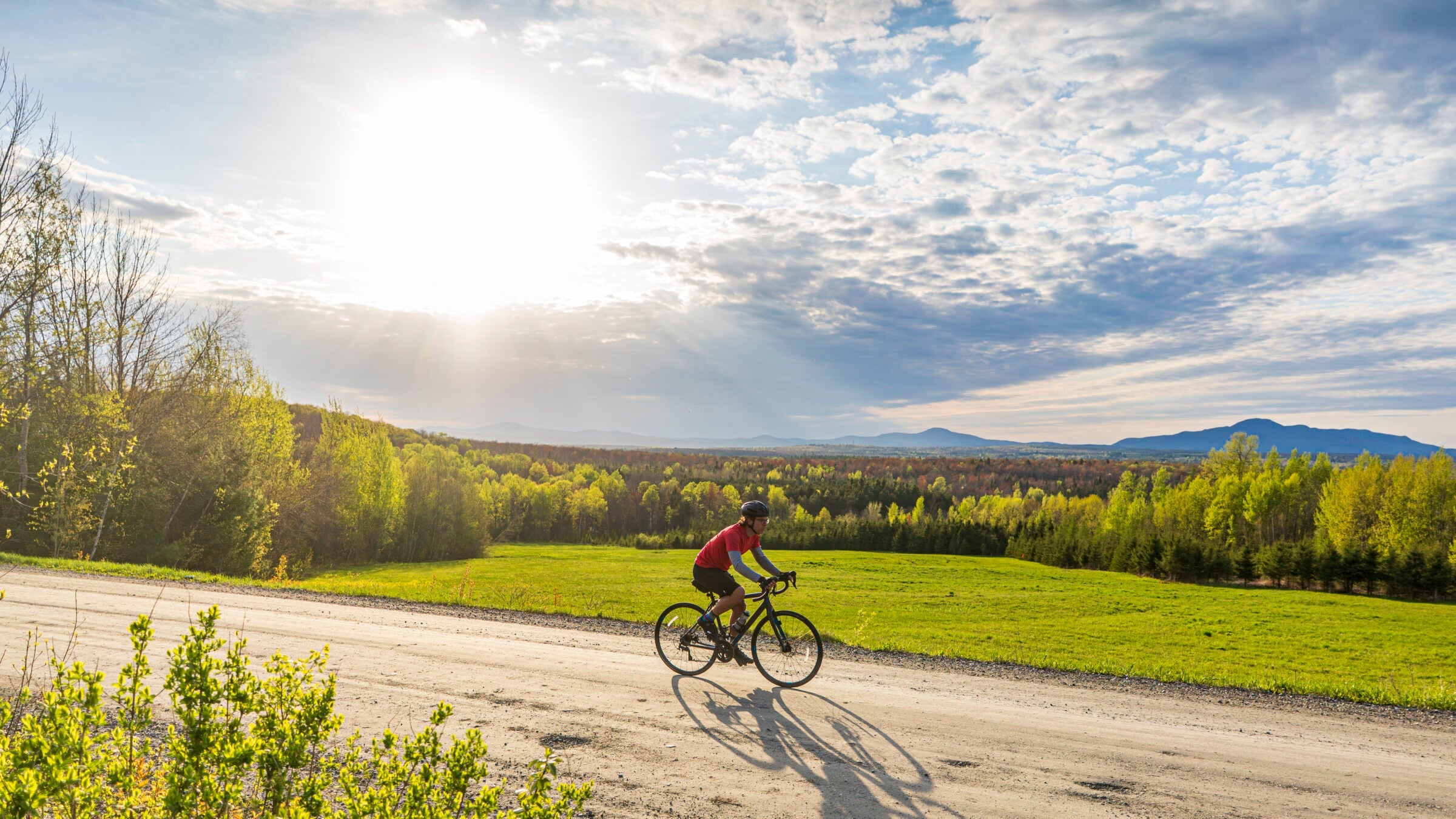
Quebec serves as a major North American destination for bicycle touring, offering a multi-thousand-kilometer network of paths that traverse diverse ecosystems ranging from the Appalachian Mountains to the St. Lawrence River. The province’s cycling infrastructure is anchored by the Route Verte, a massive interconnected network managed by the non-profit organization Vélo Québec, which provides cyclists with access to both paved corridors and rugged wilderness trails.
The cycling experience in Quebec is defined by its geographic variety, allowing travelers to choose between the rolling, vineyard-dotted hills of the Eastern Townships and the steep, dramatic elevations of the Charlevoix region. According to regional tourism data, these varied terrains support different levels of cycling expertise, from casual recreational riders to long-distance endurance athletes.
For those planning a tour, the province offers a structured system of signage and support services designed to facilitate multi-day trips. This infrastructure is intended to connect major urban centers like Montreal and Quebec City with remote coastal and mountainous regions, effectively integrating cultural landmarks with natural preserves.
What makes the Route Verte a primary cycling corridor?
The Route Verte is the backbone of Quebec’s cycling tourism, comprising more than 5,000 kilometers of dedicated paths and multi-use trails. Managed by Vélo Québec, the network is designed to connect various regions through a combination of paved cycle paths, converted railway lines, and scenic secondary roads. The organization provides maps, route descriptions, and technical data to assist cyclists in navigating the province’s complex geography.
One of the primary functions of the Route Verte is to provide safe passage away from high-speed vehicular traffic. Many segments of the network utilize “véloroutes”—dedicated paths for bicycles—and “voies vertes”—greenways that often follow historical corridors. This separation is critical for long-distance touring, where safety and consistent surfaces are essential for maintaining momentum and reducing rider fatigue.
The network also serves an economic function. By linking small municipalities and rural villages to major tourist hubs, the Route Verte facilitates “slow tourism,” encouraging travelers to stop in local economies. Small towns along the route often feature specialized amenities, including bike-friendly accommodations, repair stations, and local culinary stops, which are often marketed through provincial tourism initiatives.
How does the topography vary across Quebec’s cycling regions?
Cyclists traveling through Quebec encounter three distinct topographical profiles: the lowlands of the St. Lawrence Valley, the rolling hills of the southern regions, and the mountainous terrain of the north and east. Each region requires different physical preparation and equipment choices.
The Charlevoix Elevation Challenge
The Charlevoix region, located along the St. Lawrence River, is characterized by significant elevation changes. The terrain is part of the Canadian Shield, resulting in steep climbs and descents that challenge even experienced cyclists. Touring through this area often involves navigating the winding roads that follow the river’s edge, offering views of the maritime landscape but requiring high levels of cardiovascular fitness. Local cycling guides often recommend specialized gearing to manage the sudden inclines common in this mountainous sector.
The Eastern Townships and Rolling Terrain
In contrast, the Eastern Townships (Cantons-de-l’Est) present a much gentler landscape. This region is known for its undulating hills, which provide a moderate challenge suitable for touring enthusiasts. The landscape is heavily influenced by its agricultural history, featuring many vineyards and orchards. The terrain here is often described by regional cycling associations as “rhythmic,” consisting of short, manageable climbs followed by long, gradual descents. This area is frequently used by cyclists seeking a combination of moderate physical activity and cultural exploration.
The Gaspésie Coastal Routes
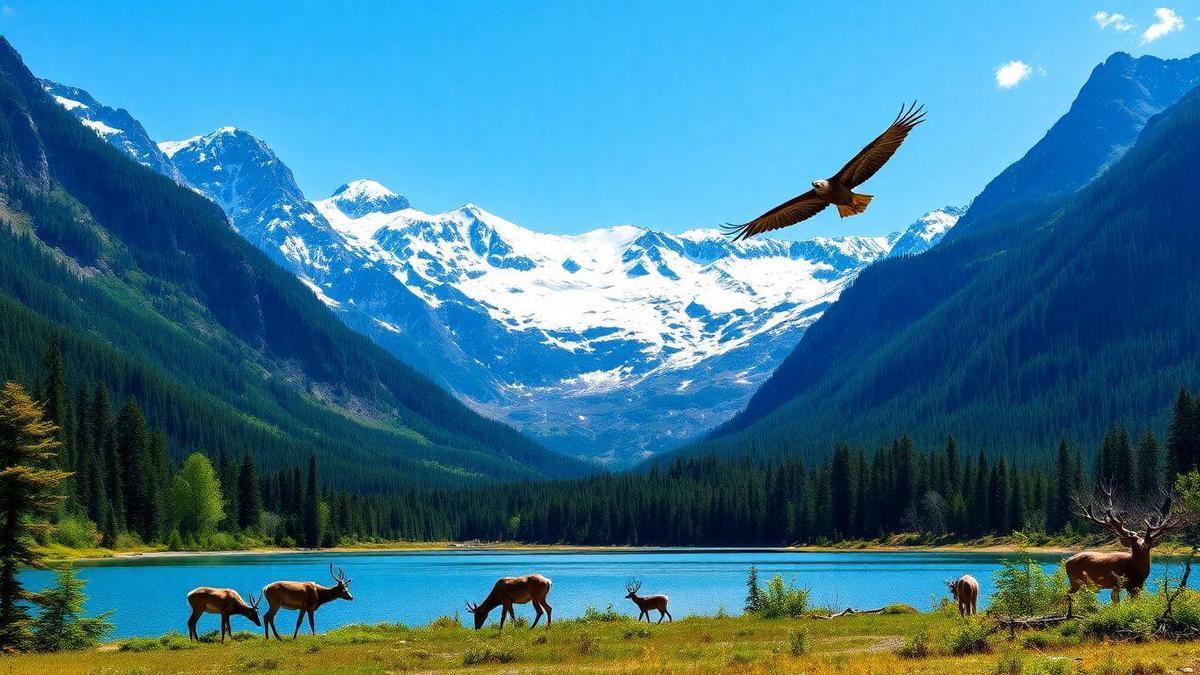
The Gaspésie Peninsula offers a unique combination of coastal riding and mountainous climbs. The primary artery for cyclists in this region is often Route 132, which hugs the coastline of the Gulf of St. Lawrence. While much of the riding provides spectacular maritime views, the peninsula’s geography includes significant rises as the road moves inland toward the Appalachian foothills. Cyclists often combine coastal riding with excursions into the Parc national de la Gaspésie to experience higher-altitude forest trails.
Which routes are best for coastal and wilderness riding?
For travelers seeking isolation and natural scenery, the easternmost portions of the province provide the most extensive wilderness opportunities. The Gaspésie Peninsula is the primary destination for this type of touring. The combination of sea cliffs, maritime forests, and the proximity to the Gulf of St. Lawrence creates a distinct environment that differs significantly from the more populated southern corridors.
The coastal routes in Gaspésie are characterized by a mix of paved roads and gravel paths. The presence of major national parks means that cyclists can transition quickly from seaside riding to deep forest trails. This proximity to protected areas ensures that much of the riding occurs within controlled, ecologically significant zones, though it also requires cyclists to be prepared for more variable weather conditions and limited services compared to the Route Verte’s central corridors.
Another significant area for wilderness riding is the Laurentian Mountains. While more heavily populated than Gaspésie, the Laurentians offer extensive networks of forest trails. These routes are often used by mountain bikers and gravel cyclists who prefer unpaved surfaces. The terrain is dense with coniferous forests, providing shade and a cooler microclimate during the summer months, though the technicality of the trails varies significantly based on the specific path chosen.
When is the optimal time for bike touring in Quebec?
The window for optimal bike touring in Quebec is relatively narrow, dictated by the province’s temperate climate. Most cyclists plan their trips between late May and early October to avoid the extremes of winter and the unpredictability of early spring.
During the summer months (June through August), temperatures are generally stable, and daylight hours are at their longest, providing more time for daily mileage. This period also coincides with the peak of the province’s tourism season, meaning that accommodations and services are fully operational, though they may require advance booking. The weather during this time is typically warm, but coastal regions like Gaspésie can experience sudden temperature drops and wind increases due to their proximity to the Gulf of St. Lawrence.
Autumn (September and early October) is considered a secondary peak season. The declining temperatures and the changing foliage offer a different aesthetic experience, particularly in the Eastern Townships and the Laurentians. However, cyclists must account for shorter daylight hours and the possibility of increased precipitation. By late October, many seasonal cycling services and local businesses in rural areas begin to scale back operations in preparation for the winter months.
How can cyclists prepare for Quebec’s diverse terrain?
Effective preparation for a Quebec cycling tour involves three main components: equipment selection, logistical planning, and weather readiness. Because the terrain can shift from flat valley floors to steep mountain passes within a single day, a versatile bicycle setup is essential.
:max_bytes(150000):strip_icc()/canada-quebec-province-quebec-city-in-winter-the-upper-town-of-old-quebec-declared-a-world-heritage-by-unesco-536911491-574d04ab5f9b5851656345f6.jpg "How can cyclists prepare for Quebec's diverse terrain?")
- Bicycle Selection: Touring bikes with a wide range of gears are recommended for the Charlevoix and Gaspésie regions. Gravel bikes are increasingly popular for those intending to utilize the unpaved segments of the Route Verte or forest trails in the Laurentians.
- Navigation: While the Route Verte is well-signposted, many cyclists use GPS-enabled devices loaded with topographic maps to manage elevation changes and ensure they remain on designated paths.
- Logistics: Cyclists must decide between self-supported touring (carrying all gear) or supported touring (using hotels and service hubs). The density of services is high in the southern corridors but decreases significantly as one moves toward the Gaspésie Peninsula.
- Weather Protection: Even in summer, the ability to respond to sudden rain or wind is necessary. High-quality, lightweight waterproof gear is a standard requirement for touring in the maritime climate of eastern Quebec.
A comparison of the primary touring regions is provided below to assist in route selection:
| Region | Primary Terrain | Difficulty Level | Key Feature |
|---|---|---|---|
| Eastern Townships | Rolling hills, vineyards | Moderate | Cultural/Agricultural |
| Charlevoix | Steep mountains, river views | High | Physical Challenge |
| Gaspésie | Coastal cliffs, maritime | Moderate to High | Wilderness/Scenery |
| St. Lawrence Valley | Flat to gentle inclines | Low | Urban/Connectivity |
Frequently Asked Questions about Quebec Cycling
Is it safe to cycle on the roads in Quebec?
The province has invested heavily in dedicated cycling infrastructure, such as the Route Verte, to separate cyclists from motor vehicles. While many cyclists use secondary roads, the presence of well-marked cycle paths significantly increases safety.
Do I need to speak French to tour Quebec?
While French is the official language, English is widely understood in major tourist areas, hotels, and service hubs. In more remote parts of the Gaspésie or northern regions, basic French phrases are helpful, but most signage in tourist-centric areas is bilingual.
Can I rent a bike for a long-distance tour?
Yes, many towns along the major cycling corridors offer long-term rentals. However, for multi-day tours, it is often recommended to book equipment in advance to ensure availability of the specific type of bike (e.g., touring or gravel) required for your route.
What kind of support is available for broken bikes?
In urban areas and major towns along the Route Verte, bicycle repair shops are common. In more remote regions, cyclists should carry basic repair kits (tubes, pumps, multi-tools) as professional assistance may be several kilometers or even hours away.
The next scheduled update regarding provincial tourism infrastructure and seasonal trail openings is expected from the Ministry of Tourism in late spring. For real-time trail conditions and route updates, cyclists are encouraged to consult the official Vélo Québec digital maps.
Do you have experience cycling the Route Verte? Share your route recommendations or gear tips in the comments below.
- Cleveland Guardians Acquire Jo Adell from Angels for Catching Prospect
- Angels Land Arjun Nimmala: The Best Prospect of the 2026 MLB Trade Deadline
- Michael Jordan vs. Michael Carter-Williams: The Ultimate NBA Debut Paradox (archynewsy.com)
- Tate McRae Tests Her Memory in Ultimate Lyrics Challenge (newsdirectory3.com)