Lee Nam-cheol’s new book, Central Asian History and Culture Travelogue: Traces of Koryoin and the Resonance of the Times, provides a detailed exploration of the historical and cultural evolution of Central Asia, specifically focusing on the enduring legacy of the Koryoin. The work chronicles the experiences of ethnic Koreans who were forcibly relocated to the region in 1937, examining how their resilience shaped the modern social fabric of nations such as Kazakhstan and Uzbekistan.
The publication arrives at a time of renewed interest in the historical narratives of the Silk Road and the complex migrations that have defined the Eurasian continent. By blending travelogue elements with rigorous historical inquiry, Lee seeks to bridge the gap between the lived experiences of the Korean diaspora and the broader geopolitical history of the five Central Asian republics: Kazakhstan, Kyrgyzstan, Tajikistan, Turkmenistan, and Uzbekistan.
For readers interested in the intersection of human rights, ethnic identity, and regional history, the book serves as both a cultural map and a memorial to a displaced population. It moves beyond simple geography to address the “resonance” mentioned in its title—the way past traumas and triumphs continue to echo in the political and social structures of the region today.
The Legacy of the 1937 Forced Deportation
A central pillar of Lee’s work is the historical trauma of the Koryoin, also known as Koryo-saram. This community was formed following the mass forced deportation of ethnic Koreans from the Russian Far East to the Central Asian steppes in 1937. Under the direction of the Soviet government, thousands of individuals were uprooted and transported in cattle cars to remote areas of Kazakhstan and Uzbekistan, often with little warning or preparation.
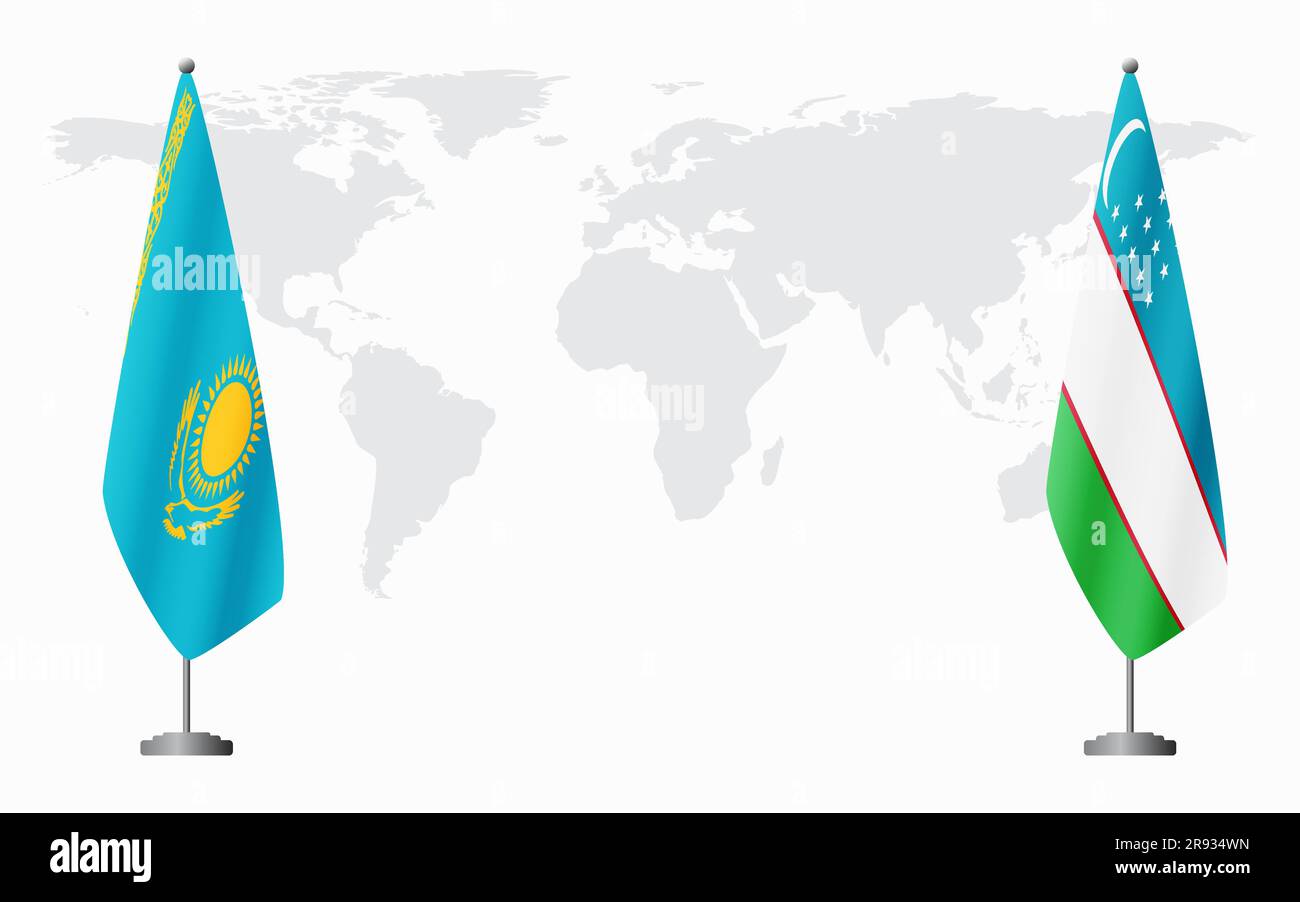
The hardship faced by these migrants was immense. Arriving in unfamiliar, often arid landscapes, the Koryoin had to rebuild their lives from nothing, facing extreme weather and food insecurity. However, Lee highlights how this period of displacement also became a period of remarkable adaptation. The Koryoin successfully introduced new agricultural techniques, most notably rice cultivation in regions where it was previously uncommon, which eventually became a staple of the local economy and diet.
This historical context is essential for understanding the current demographic makeup of Central Asia. The presence of the Korean diaspora is not merely a historical footnote but a living component of the region’s multicultural identity. By documenting these “traces,” Lee provides a voice to a generation that survived one of the 20th century’s most significant forced migrations.
Exploring the Cultural Tapestry of Five Nations
While the Koryoin experience provides the emotional core of the book, Lee Nam-cheol also devotes significant attention to the broader history and geography of Central Asia. The region, covering an area of approximately 4 million square kilometers, is a complex mosaic of diverse ethnic groups, languages, and religious traditions.
The book navigates the distinct characteristics of the five primary nations:
- Kazakhstan: The largest nation in the region, characterized by its vast steppes and its role as a major hub for both nomadic heritage and modern energy production.
- Uzbekistan: A center of ancient Silk Road civilization, home to historic cities like Samarkand and Bukhara that served as vital nodes for trade and Islamic scholarship.
- Kyrgyzstan: Defined by its rugged mountainous terrain and the enduring traditions of nomadic pastoralism.
- Tajikistan: A nation with deep Persian linguistic roots, situated primarily within the high altitudes of the Pamir Mountains.
- Turkmenistan: Known for its unique desert landscapes and its distinct political and cultural evolution since independence.
Lee’s travelogue approach allows for a sensory engagement with these locations. Rather than presenting dry historical facts, the narrative invites readers to observe how the ancient Silk Road influences modern commerce, architecture, and social customs. The book emphasizes that Central Asia is not a monolith but a collection of distinct cultures that have historically interacted through trade, conquest, and migration.
Why the Koryoin Narrative Matters Today
The “resonance” Lee refers to in his title points to the contemporary relevance of the Koryoin story. In an era of increasing global migration and geopolitical shifts, the history of the Korean diaspora in Central Asia offers profound lessons on identity and survival. The Koryoin have managed to maintain a unique cultural hybridity—preserving aspects of Korean heritage while fully integrating into the linguistic and social structures of their Central Asian homes.
Furthermore, the book touches upon the importance of historical memory in nation-building. For the modern states of Kazakhstan and Uzbekistan, the history of the Koryoin is part of a larger story of multi-ethnic coexistence. Understanding how these minority groups contributed to the stability and development of these nations is crucial for a holistic view of Central Asian history.
For scholars and students of international relations, the book provides a humanized perspective on the Soviet era’s impact on ethnic minorities. It moves the conversation from high-level political decisions to the granular, human reality of how those decisions altered the course of entire families and communities for generations.
Key Takeaways from the Work
- Historical Documentation: A detailed account of the 1937 forced relocation of ethnic Koreans to Central Asia.
- Cultural Synthesis: An analysis of how the Koryoin integrated Korean traditions with Central Asian customs.
- Regional Overview: A comprehensive guide to the history, geography, and culture of Kazakhstan, Uzbekistan, Kyrgyzstan, Tajikistan, and Turkmenistan.
- Resilience and Adaptation: A study of how displaced populations can contribute to the economic and social development of their new homelands.
As interest in the Silk Road and the history of the Eurasian steppe continues to grow, Lee Nam-cheol’s work stands as a significant contribution to the literature of the region. It provides a necessary lens through which to view the complex interplay between geography, tragedy, and cultural triumph.

Further academic studies on the socio-economic impact of the Koryoin in post-Soviet Central Asia are expected to follow as regional archives become more accessible to international researchers. We will continue to monitor updates regarding new historical findings and cultural exhibitions related to the Korean diaspora.
What are your thoughts on the role of diaspora communities in shaping regional history? We invite you to share your perspectives in the comments below and share this article with your network.
Related reading