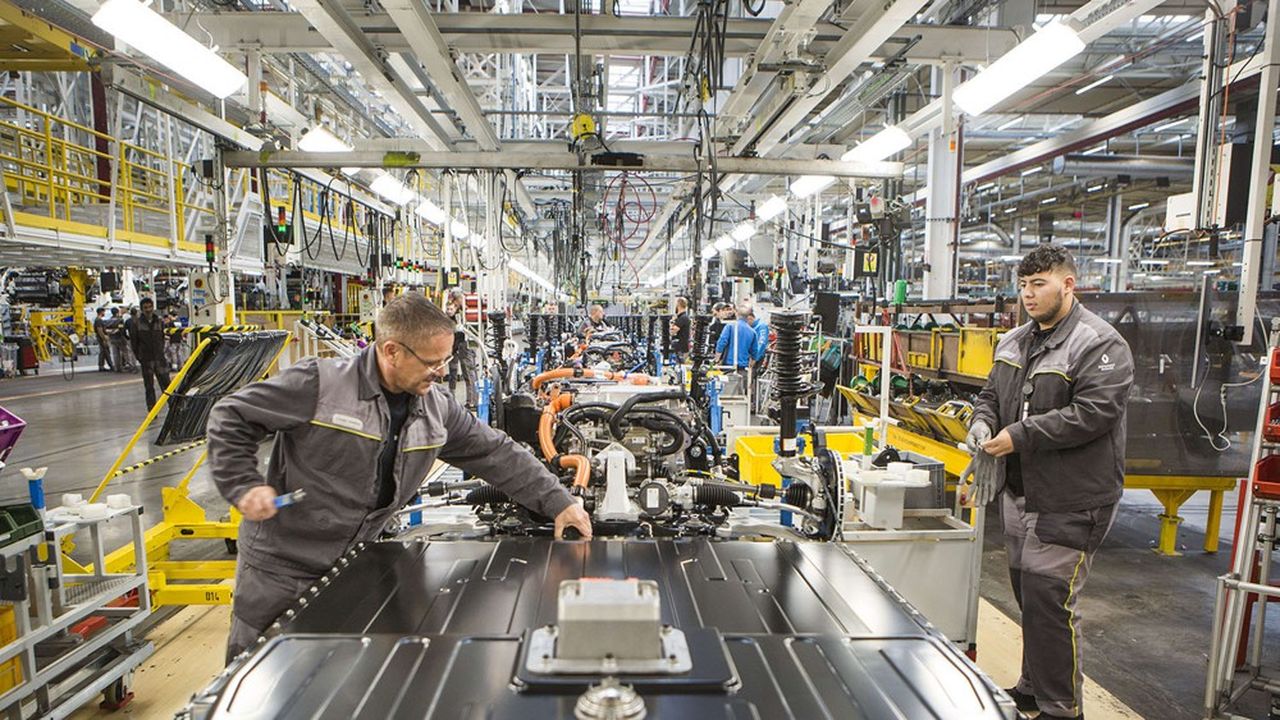
Morocco is rapidly transforming into a central pillar of African industrialization, leveraging strategic investments in the automotive, aerospace, and phosphate sectors to move up the global value chain. By focusing on high-value manufacturing and massive infrastructure projects, the kingdom is positioning itself as a primary gateway between African markets and European supply chains.
While economic leadership in Africa is often debated among analysts—with South Africa traditionally holding the largest manufacturing base—Morocco’s ascent is defined by its aggressive industrial policy and successful attraction of foreign direct investment (FDI). The country has shifted from a reliance on agriculture and raw commodity exports toward a sophisticated manufacturing ecosystem that now rivals established global players in specific niches.
This industrial pivot is not merely a domestic success story but a significant development for the continent. As the African Development Bank continues to emphasize the necessity of structural transformation to drive long-term growth, Morocco’s model of “sectoral clustering” offers a blueprint for how African nations can transition from resource dependence to industrial resilience.
The Automotive Revolution: A New African Powerhouse
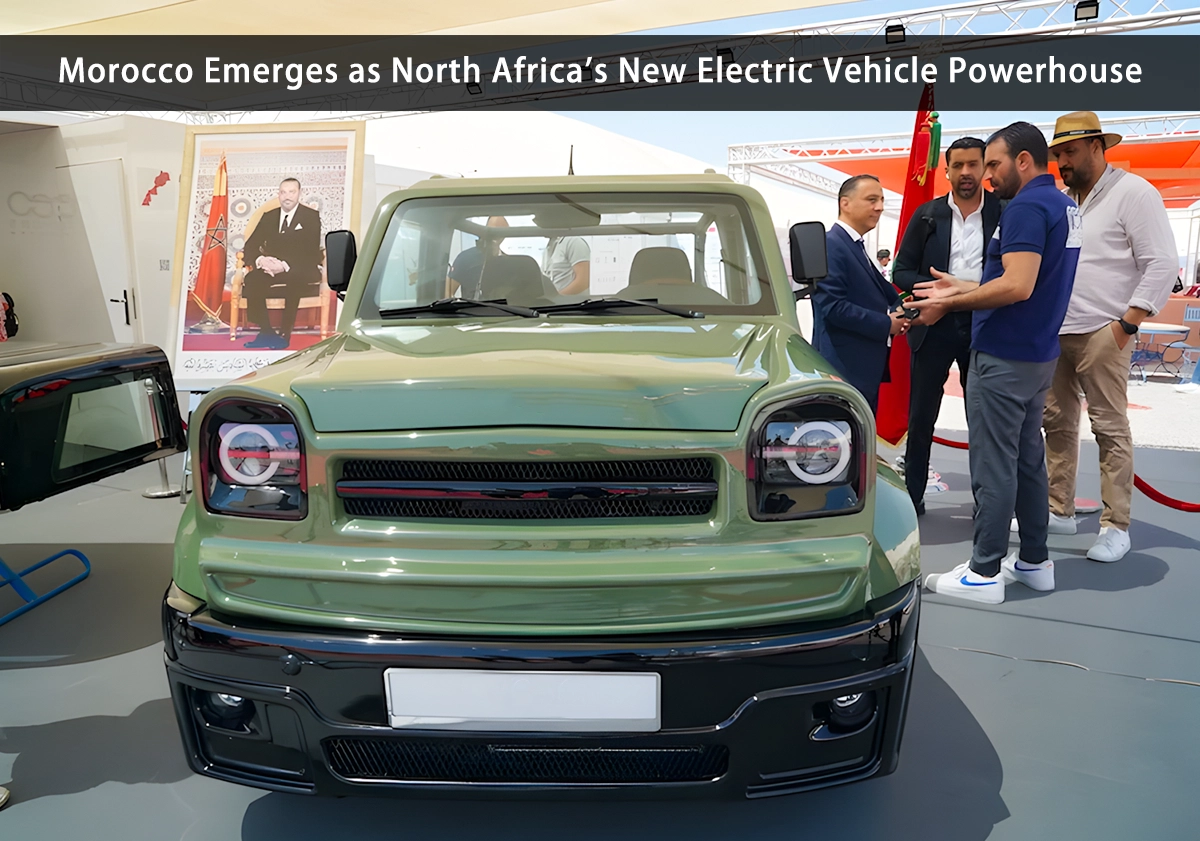
The most visible driver of Morocco’s industrial surge is its automotive sector. The kingdom has successfully transitioned from simple assembly to becoming a complex manufacturing hub for global giants. Major players like Renault and Stellantis have established massive production facilities in the country, turning Morocco into a leading exporter of passenger vehicles.
This growth is anchored by the Tanger Med port complex, which has become the largest maritime hub in Africa and the Mediterranean. The port provides the logistical backbone necessary for “just-in-time” manufacturing, allowing Moroccan-made components to reach European automotive assembly lines with unprecedented efficiency. The integration of the Tanger Med zone with surrounding industrial parks has created a “cluster effect,” where Tier 1 and Tier 2 suppliers—manufacturers of wiring harnesses, seats, and engine components—locate themselves within close proximity to the final assembly plants.
According to industry reports, the automotive sector has become one of Morocco’s primary sources of foreign exchange and employment. This success is the direct result of the government’s “Industrial Acceleration Plan,” which provided tax incentives, specialized training programs, and infrastructure tailored specifically to the needs of global automotive manufacturers.
Aerospace and High-Tech: Diversifying the Economic Base
Beyond the automotive industry, Morocco is making significant inroads into the aerospace sector. The Casablanca region has emerged as a growing hub for aeronautical manufacturing, hosting dozens of international companies that produce parts for commercial and military aircraft. This sector represents a higher level of technological complexity and requires a more specialized workforce, driving investment in Moroccan technical education and engineering programs.

The aerospace ecosystem in Morocco is characterized by a focus on high-precision components, including wiring, structures, and specialized electronics. By attracting companies that serve major global aerospace manufacturers, Morocco is effectively diversifying its industrial portfolio, reducing its vulnerability to fluctuations in any single market. This move toward high-tech manufacturing is a critical component of the nation’s strategy to escape the “middle-income trap” and build a knowledge-based economy.
This diversification strategy is essential for long-term stability. By moving into sectors like aerospace and electronics, Morocco is building a more resilient economic structure that can withstand the volatility often seen in commodity-driven economies.
The Phosphate Foundation and Global Food Security
While the country pursues high-tech manufacturing, it remains anchored by its dominance in the global phosphate market. The OCP Group (Office Chérifien des Phosphates), a state-owned Moroccan giant, is one of the world’s largest producers of phosphate and its derivatives. Unlike many resource-rich nations that simply export raw ore, Morocco has invested heavily in downstream processing.
Morocco has moved significantly into the production of high-value fertilizers, which are essential for global food security. By processing phosphate into specialized fertilizers tailored to specific soil types and crop needs, the OCP Group has integrated Morocco more deeply into the global agricultural supply chain. This approach ensures that the country captures a much larger share of the value created by its natural resources.
The strategic importance of this sector cannot be overstated. As global populations grow and arable land becomes more precious, Morocco’s ability to control and process critical components of the fertilizer supply chain gives it significant geopolitical and economic leverage.
Green Industrialization: The Renewable Energy Advantage
Perhaps the most forward-looking aspect of Morocco’s industrial strategy is its integration of renewable energy. The kingdom is a global leader in solar and wind energy, exemplified by massive projects like the Noor Ouarzazate Solar Complex. This abundant supply of clean energy is being leveraged to power the country’s industrial zones, providing a competitive advantage in a global market increasingly focused on carbon footprints.
As European manufacturers face stricter carbon border adjustment mechanisms, Morocco’s ability to offer “green manufacturing” is becoming a major selling point. The prospect of producing “green hydrogen” is also central to Morocco’s future industrial ambitions. By using its renewable resources to produce hydrogen, Morocco aims to decarbonize its heavy industries—such as steel and fertilizer production—while also becoming a major exporter of clean fuel to the European Union.
This intersection of industrial policy and environmental stewardship is creating a unique competitive niche. Morocco is not just building factories; it is building a sustainable industrial ecosystem that aligns with the global energy transition.
Comparative Analysis: Morocco in the African Context
| Feature | Morocco | South Africa | Egypt |
|---|---|---|---|
| Primary Industrial Driver | Automotive & Aerospace | Mining & Heavy Manufacturing | Textiles & Gas/Petrochemicals |
| Logistical Strength | Tanger Med (Mediterranean Gateway) | Deep-water ports (Cape Route) | Suez Canal connectivity |
| Energy Strategy | High focus on Renewables/Green H2 | Coal/Nuclear/Renewables mix | Natural Gas/Renewables mix |
| Key Export Focus | High-value manufactured goods | Raw materials & processed metals | Consumer goods & energy |
When compared to its continental peers, Morocco’s strategy is distinct. While South Africa maintains a massive and diverse industrial base, it faces significant challenges regarding energy stability and logistics. Egypt possesses a strong manufacturing sector and a vital geographic advantage via the Suez Canal, but Morocco has arguably been more successful in creating specialized, highly integrated industrial clusters that attract specific high-tech sectors like automotive and aerospace.
Key Takeaways for Global Investors
- Cluster-Based Growth: Morocco’s success is driven by concentrated industrial zones (like Tanger Med) that integrate suppliers with final assembly.
- Strategic Diversification: The economy is moving beyond phosphates into high-value sectors like automotive and aerospace.
- Green Competitive Advantage: Increasing renewable energy capacity provides a “green” manufacturing edge for exporters to Europe.
- Logistical Excellence: World-class port infrastructure facilitates seamless integration into global supply chains.
The next major checkpoint for Morocco’s industrial trajectory will be the upcoming economic outlook reports from the African Development Bank and the World Bank, which will provide updated data on FDI inflows and manufacturing value-added growth. Investors and policymakers alike will be watching to see if the kingdom can maintain this momentum amidst shifting global trade dynamics.
What do you think about Morocco’s industrial rise? Is this model replicable for other African nations? Share your thoughts in the comments below and share this article with your network.