
Authorities have declared a partial state of emergency in the village of Voyvodino and the Valchi Dol municipality following two days of torrential rains that flooded homes and streets across the Varna region. The heavy rainfall has caused significant damage to local infrastructure and residential properties, prompting an immediate emergency response to mitigate further loss.
The decision to implement a partial state of emergency in Voyvodino comes after intense, continuous precipitation overwhelmed local drainage systems and natural watercourses. For two consecutive days, the region has been battered by heavy downpours, leaving many residents struggling to protect their homes from rising waters. The impact is not limited to a single village; the broader Valchi Dol municipality has also seen emergency measures activated to address the escalating weather-related crisis.
As the water levels rose, the flooding transitioned from a weather advisory to a localized disaster. Reports from the area indicate that streets in Voyvodino have become impassable, while several residential properties have sustained direct water damage. The declaration of a partial state of emergency is a critical administrative step, allowing local government units to bypass standard bureaucratic delays and more rapidly deploy emergency funds, specialized equipment, and personnel to the most affected zones.
Why was a state of emergency declared in Voyvodino?
The declaration is a direct response to the severity of the weather patterns that have gripped the Varna region. According to local reports, the rainfall intensity over a 48-hour period exceeded the capacity of existing flood defenses, leading to the inundation of both public thoroughfares and private residences. In Voyvodino, the flooding has been described as particularly disruptive, with water entering homes and cutting off access to vital roadways.
A partial state of emergency is typically utilized when a localized area faces a specific threat that requires immediate, coordinated action from both municipal and regional authorities. By activating this status, officials can prioritize the movement of resources—such as pumps, sandbags, and heavy machinery—to the Valchi Dol municipality. This mechanism is designed to stabilize the situation before the damage to property and public infrastructure becomes irreversible.
Impact on Valchi Dol and the Varna region
The crisis in Voyvodino is part of a wider pattern of severe weather affecting the Varna region. The Valchi Dol municipality, which includes Voyvodino, has been forced to once again declare emergency measures as the intensity of the rains continues to challenge local management. This recurring pattern of heavy rainfall has placed significant strain on the region’s ability to maintain infrastructure and ensure resident safety.
The damage is multifaceted, involving not just the immediate threat of rising water but also the long-term implications for local roads and utility networks. When streets are flooded, the structural integrity of the asphalt can be compromised, and the risk of soil erosion near residential foundations increases. Emergency services are currently focused on monitoring these high-risk areas to prevent secondary disasters, such as landslides or utility failures.
Emergency response and volunteer efforts
In the wake of the flooding, a massive mobilization of both official and unofficial resources has begun. In the Varna region, more than 50 volunteers have joined the cleanup efforts, working alongside municipal workers to remove debris and mud from flooded areas. These volunteer teams are essential in the immediate aftermath of such events, providing the necessary manpower to clear streets and assist residents in salvaging belongings from damaged homes.
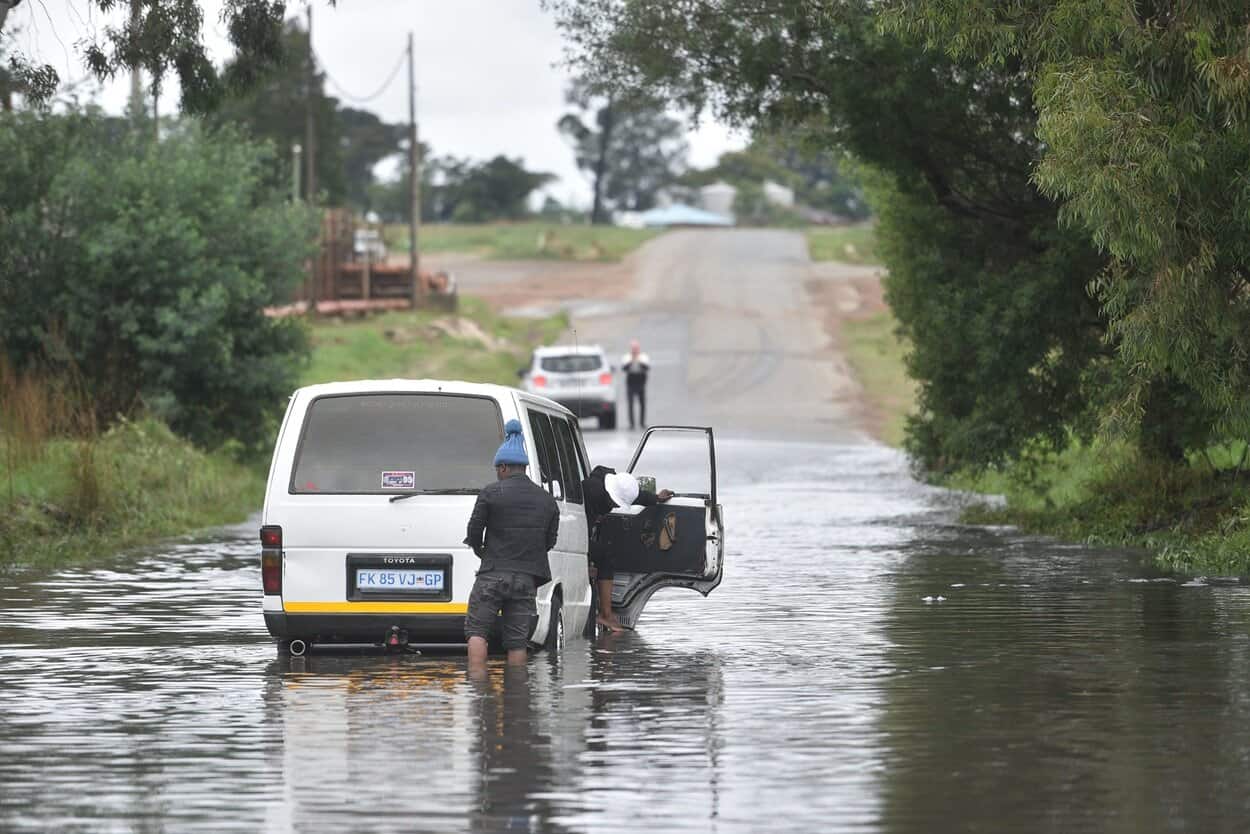
The presence of these volunteers highlights the community-driven nature of the recovery process. While professional emergency services focus on technical tasks—such as managing water flow and securing infrastructure—the volunteer groups are often the first line of support for residents facing the daunting task of cleaning out inundated properties. The coordination between official responders and these local groups is vital for an efficient recovery in the Varna region.
Understanding the “Partial State of Emergency”
For residents and international observers, it is important to understand what a partial state of emergency entails. Unlike a full state of emergency, which may involve broader restrictions on movement or more sweeping legal powers, a partial declaration is targeted. It is a surgical administrative tool used to address specific geographical areas or specific types of hazards, such as flooding.
The primary functions of this status include:
- Resource Reallocation: Allowing the municipality to redirect budgets from non-essential services to emergency repair and relief.
- Operational Speed: Enabling rapid procurement of emergency supplies without the standard lengthy bidding processes.
- Coordinated Command: Establishing a clear chain of command between local village leaders, municipal authorities, and regional emergency management agencies.
This status serves as a signal to both the central government and the public that the situation in Voyvodino and Valchi Dol requires heightened vigilance and specialized intervention.
Local authorities are expected to provide further updates as they assess the full extent of the structural damage and determine the duration of the emergency status. Residents in the Varna region are advised to monitor official municipal channels for weather advisories and instructions regarding road closures or evacuation orders.
What is the next scheduled update? Local officials are currently conducting damage assessments; a formal report on infrastructure stability and the status of the emergency declaration is expected following the next period of weather monitoring.
Have you or someone you know been affected by the flooding in the Varna region? Share your story in the comments below and join the conversation on local recovery efforts.
Worth a look