
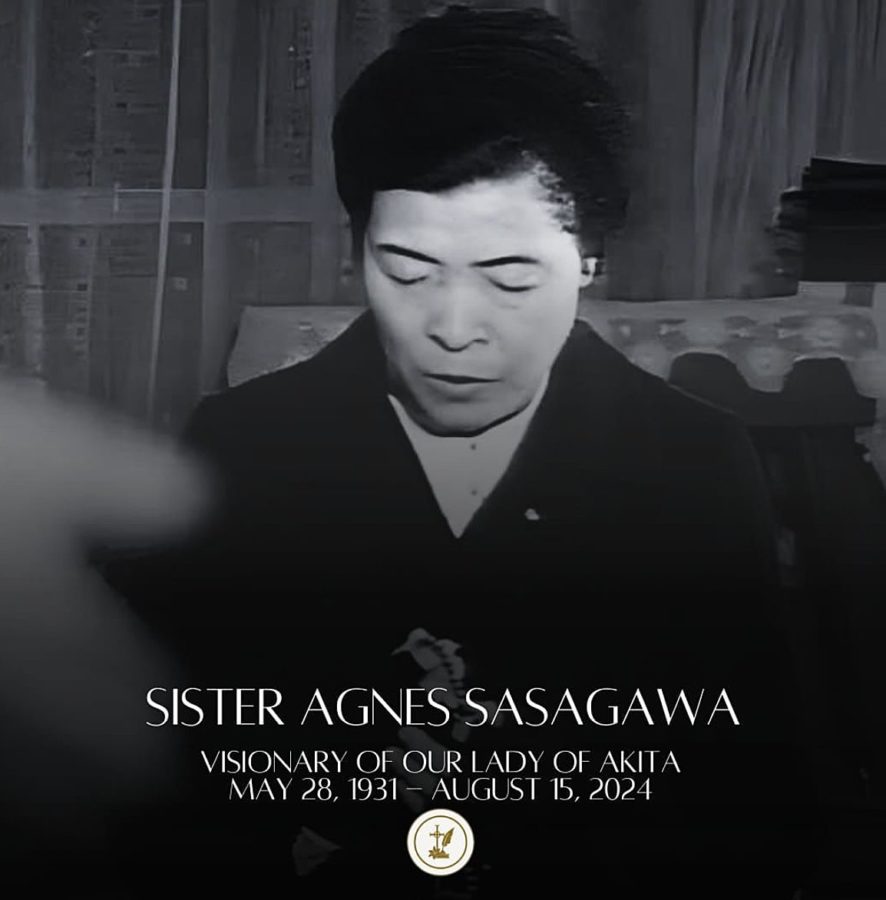
The Akita apparitions, centered on the experiences of Sister Agnes Sasagawa, remain a significant subject of study for historians of religious phenomena and the Catholic Church. In 1973, Sister Sasagawa, a member of the Institute of the Handmaids of the Eucharist in Akita, Japan, reported a series of visions and messages, as well as the phenomenon of a bleeding wooden statue of the Virgin Mary. These events, often discussed in the context of Marian apparitions, were formally investigated by the local ordinary, Bishop John Shojiro Ito, who issued a pastoral letter in 1984 confirming the supernatural character of the events, according to official documentation from the Diocese of Niigata.
Historical Context of the Akita Apparitions
The events in Akita began in June 1973 when Sister Sasagawa, who was then suffering from significant hearing loss, reported seeing a luminous figure and hearing messages while praying in the chapel of her convent. The reports gained international attention following claims that a wooden statue of the Virgin Mary, carved by a local artist, had shed blood, sweat, and tears on multiple occasions, as reported by the Catholic News Agency. The statue, which stood in the convent chapel, became a focal point for visitors and pilgrims seeking information regarding the reported messages of prayer and penance.

Bishop John Shojiro Ito, the then-Bishop of Niigata, conducted a rigorous inquiry into the claims. In his 1984 pastoral letter, he concluded that the events were of supernatural origin and approved the veneration of the Holy Mother of Akita. The Church’s formal process for evaluating such claims involves a multi-layered investigation by theological and scientific experts, a standard procedure for all reported private revelations, as outlined by the Dicastery for the Doctrine of the Faith.
The Role of Scientific Inquiry in Religious Phenomena
Investigations into the Akita events included forensic and medical analyses of the fluids observed on the statue. While reports from the time suggested the blood and other substances were of human origin, the interpretation of these findings has remained a point of discussion among theologians and skeptics alike. It is important to distinguish between the Church’s recognition of the spiritual message and the scientific verification of the physical phenomena, as the former focuses on the theological consistency of the messages with Christian doctrine rather than the physical cause of the manifestations, according to the updated norms on private revelations released by the Vatican in 2024.
In contemporary discourse, the Akita apparitions are frequently cited alongside other recognized phenomena such as those at Fátima or Lourdes. Unlike some other claims of supernatural events which the Church may definitively rule as “not supernatural,” the Akita events retain an approved status within the local diocese. This status allows for the public veneration of the image, though Catholics are not required to believe in private revelations as a matter of faith, a distinction emphasized in the Catechism of the Catholic Church.
Public Reception and Ongoing Interest
The enduring interest in the Akita messages, which emphasized themes of peace, repentance, and the recitation of the Rosary, has led to a sustained global audience. Digital platforms and social media have facilitated the spread of narratives regarding the “prophecies” associated with Sister Sasagawa. However, researchers advise caution when evaluating content found on social media, as narratives often evolve or incorporate unverified interpretations that diverge from the original pastoral letters and official statements issued by the Bishop of Niigata.

For those interested in the official record, the Diocese of Niigata remains the primary source for information regarding the convent and the statue. The Church encourages those who visit or study these events to maintain a focus on the liturgical and spiritual life of the community rather than sensationalist interpretations. The next steps for any individual interested in the current status of these events involve reviewing the archival documents provided by the Diocese of Niigata official website, which serves as the authoritative repository for historical records concerning the convent.
The intersection of faith and physical phenomena continues to provoke questions among believers and observers. Whether one views these events through a theological lens or a historical one, the Akita apparitions represent a unique case study in how the Catholic Church manages and verifies claims of the miraculous. We invite our readers to share their thoughts on the historical documentation of these events in the comments section below.
Worth a look