
Global Instability and the Shift in Geopolitical Power: An Analysis of Current Middle East and US Political Trends
The ARTE documentary feature “Attraverso gli occhi di Feurat” examines a global landscape defined by significant political shifts and escalating security concerns in the Middle East. The program focuses on the impact of United States political hegemony, specifically the influence of the Trump administration’s policies, alongside the humanitarian and security crises currently unfolding in Iraq and Gaza.
As international relations undergo a period of reconfiguration, the feature highlights how changes in leadership within the world’s largest economy and ongoing conflicts in traditional flashpoints are contributing to a sense of global unpredictability. The analysis centers on the intersection of superpower politics and the ground-level realities of modern warfare.
The Transformation of United States Political Hegemony
A central theme in the discussion of global instability is the changing nature of United States influence on the world stage. For much of the post-World War II era, US foreign policy was characterized by a commitment to liberal internationalism and the maintenance of a global security architecture through alliances like NATO. However, the rise of the “America First” doctrine during the presidency of Donald Trump signaled a departure from this traditional role.
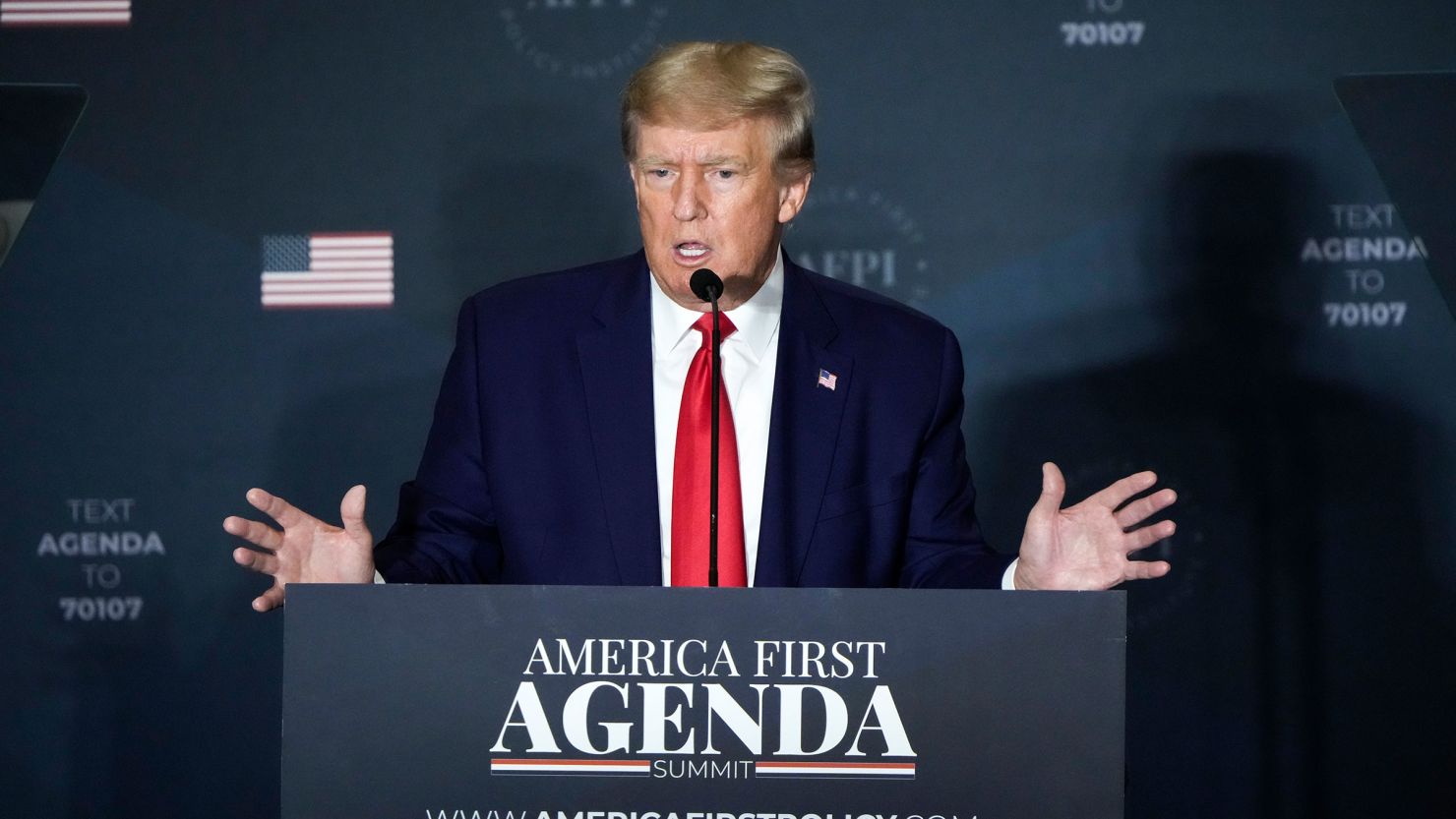
The shift toward isolationism and bilateralism has had measurable effects on international stability. According to analysis by the Council on Foreign Relations, the pivot away from multilateral agreements and traditional security guarantees created power vacuums in various regions. This shift has prompted allies to reconsider their own defense postures and has allowed other global powers to assert greater influence in areas previously dominated by US interests.
The legacy of this political era continues to impact contemporary diplomacy. The tension between maintaining global leadership and prioritizing domestic interests remains a primary driver of volatility in international relations. Analysts note that the predictability of US interventionism—a cornerstone of global stability for decades—has been replaced by a more transactional and inconsistent approach to foreign policy.
Security and Humanitarian Concerns in Iraq and Gaza
The documentary also addresses the immediate and acute crises in the Middle East, specifically focusing on the regions of Iraq and Gaza. These areas serve as critical examples of how geopolitical tensions translate into humanitarian emergencies.
In Gaza, the humanitarian situation has reached critical levels. Reports from the United Nations Relief and Works Agency (UNRWA) have consistently highlighted the extreme shortages of food, clean water, and medical supplies facing the civilian population. The conflict has resulted in significant displacement and a breakdown of essential infrastructure, creating a cycle of instability that complicates long-term peace efforts.
Iraq remains a focal point of regional security concerns. Despite years of efforts to stabilize the nation following the 2003 invasion, the country continues to navigate the complexities of sectarian tensions, the presence of various armed factions, and the economic challenges of reconstruction. The interplay between local governance and external influence remains a significant factor in Iraq’s ability to maintain long-term security.
The instability in these regions is not localized; it has ripple effects that impact global energy markets, migration patterns, and international security protocols. The convergence of these conflicts creates a multifaceted challenge for international mediators attempting to implement lasting solutions.
The Technical Reality and Risks of Radiological Dispersal Devices
A particularly high-stakes element of the security discussion involves the mention of “dirty bombs,” or radiological dispersal devices (RDDs). While often confused with nuclear weapons, the technical reality and the threat they pose are distinct.
A radiological dispersal device uses conventional explosives—such as dynamite or TNT—to scatter radioactive material over a targeted area. Unlike a nuclear detonation, which relies on fission or fusion to create a massive explosion, an RDD is designed to cause contamination rather than widespread immediate destruction through blast pressure. The primary objective of such a device is to induce panic, cause long-term health issues through radiation exposure, and render areas uninhabitable due to contamination.
The potential for the use or accidental spread of such materials in active conflict zones like Iraq or Gaza presents a unique challenge for international security agencies. The International Atomic Energy Agency (IAEA) monitors the security of radioactive sources globally, as the loss of control over these materials could lead to their use by non-state actors in improvised explosive devices.
The threat of RDDs complicates modern warfare by introducing a form of “asymmetric” risk. Even a small amount of radioactive material, if deployed effectively, can create significant psychological and economic disruption, making it a tool of concern for counter-terrorism and humanitarian organizations alike.
Summary of Geopolitical Risk Factors
- Leadership Volatility: The shift from predictable multilateralism to transactional foreign policy in the US.
- Regional Flashpoints: Ongoing humanitarian and security crises in Gaza and Iraq.
- Non-Traditional Threats: The risk of radiological contamination through the use of dispersal devices.
- Power Vacuums: The emergence of new global actors filling gaps left by retreating traditional powers.
Why These Developments Matter for Global Stability
The convergence of these factors—shifting US leadership, Middle East instability, and the evolution of unconventional weaponry—suggests a fundamental change in the global order. For the average global citizen, this means that the frameworks previously used to predict international conflict and economic stability are becoming less reliable.

The “world that no longer turns in the right direction,” as described in the feature, refers to the erosion of the consensus-based international system. When major powers prioritize domestic agendas over collective security, the ability of international bodies to mitigate humanitarian crises or prevent the spread of dangerous technologies is significantly diminished.
Understanding these connections is essential for navigating a landscape where political decisions in Washington can directly influence the security environment in the Levant or the stability of energy corridors in the Middle East. The current era is marked by a transition from a unipolar world to a more fragmented and contested global stage.
Next Checkpoint: Updates regarding humanitarian aid corridors in Gaza and upcoming UN Security Council briefings on Middle East security are expected in the coming weeks.
What are your thoughts on the shifting landscape of global politics? Do you believe international institutions can adapt to these changes? Share your comments below and share this article with your network.
Keep reading