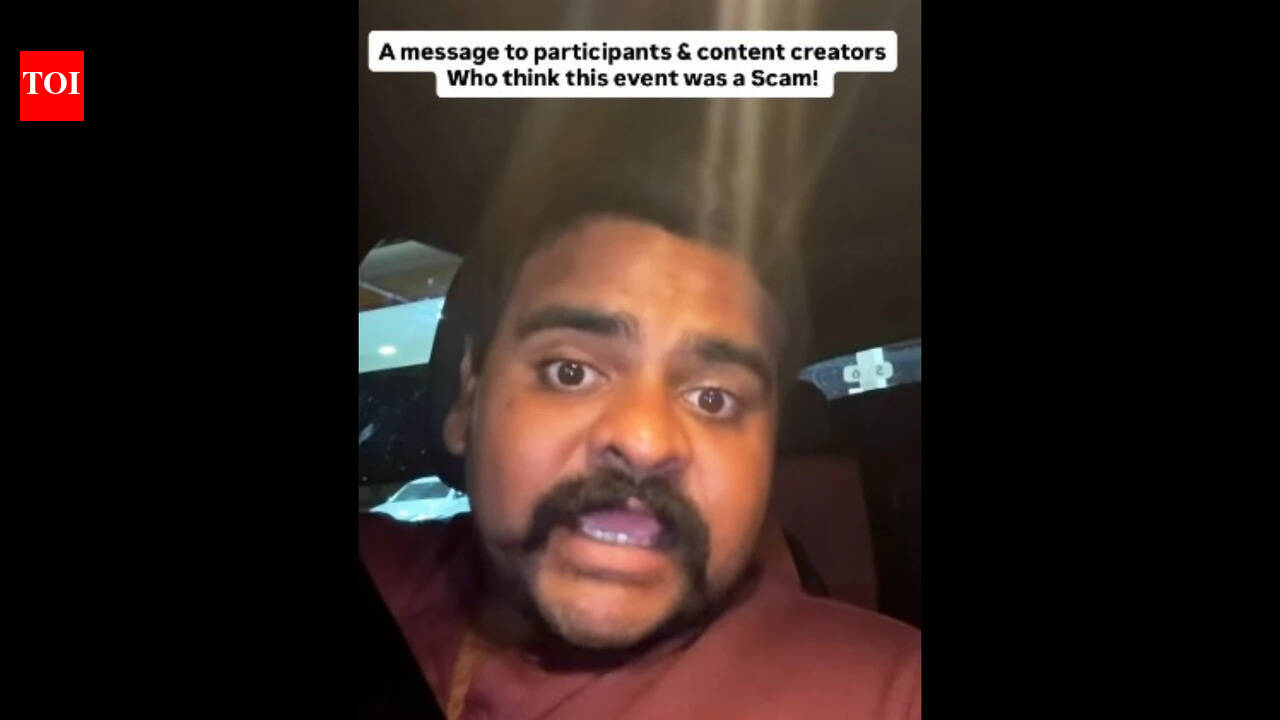
Organizers of the Buildathon event in Dallas have pledged full refunds to all participants following a series of logistical failures and allegations of “intentional sabotage.” While some attendees have raised concerns regarding the legitimacy of the event, the organizing team maintains that their efforts were compromised by external interference.
The controversy erupted following the conclusion of the Dallas-based event, leaving many participants questioning the quality of the experience compared to the initial marketing. As social media discussions grew, the term “scam” began circulating among the community, prompting an official response from the event’s leadership.
What triggered the Buildathon Dallas controversy?
The dispute centers on the gap between the event’s promises and the actual experience provided to attendees. Participants reported various issues, including technical difficulties, inadequate resources, and a lack of organized programming, which led to widespread frustration on social media platforms.
According to reports from attendees, the event failed to meet the standards expected of a professional tech-focused gathering. Some participants expressed that the lack of structure made it difficult to complete the tasks or networking objectives that were key selling points of the registration. This discrepancy led several individuals to publicly question whether the event was a legitimate professional gathering or a coordinated attempt to collect registration fees without delivering value.
The organizers have addressed these “scam” allegations directly, though they have not yet provided specific evidence to refute the claims of mismanagement. Instead, the leadership has shifted the focus toward what they describe as external disruptions that prevented the event from running according to plan.
Organizers cite ‘intentional sabotage’ as the cause of failure
In a statement addressing the backlash, the Buildathon organizers claimed the event’s shortcomings were not the result of poor planning, but rather “intentional sabotage.” While the organizers have not specified the identity or the exact nature of the parties involved in this alleged sabotage, they maintain that these actions directly undermined their ability to host a successful event.
This defense creates a significant divide between the event’s management and its community. While the organizers view themselves as victims of interference, many participants view the “sabotage” claim as an attempt to deflect accountability for logistical errors. This tension highlights a common conflict in the event industry: the difficulty in distinguishing between genuine external disruptions and internal operational failures.
The claim of sabotage has added a layer of complexity to the situation. If verified, it would suggest a targeted effort to disrupt the tech community’s activities in Dallas. However, without a detailed account or evidence provided by the organizers, the community remains skeptical of the explanation.
How to secure a refund for Buildathon tickets
To mitigate the fallout and address the growing dissatisfaction, the Buildathon organizers have officially promised a full refund to all registered participants. This move is intended to restore some level of trust and settle the immediate financial grievances of the attendees.
Participants looking to claim their money back should follow these steps based on the organizers’ recent communications:
- Monitor official channels: Check the email address used during the registration process for direct instructions from the Buildathon team.
- Verify refund timelines: Organizers have not yet provided a definitive date for when funds will be returned, so attendees should remain patient while the processing begins.
- Contact support directly: If no automated email is received within the next week, participants may need to reach out through the official website or the platform used for ticket purchases.
Financial experts note that in cases of event cancellations or significant failures to deliver services, consumers are often protected by their credit card companies or payment processors. If the organizers fail to fulfill their promise of a full refund, attendees may consider initiating a chargeback through their respective banks.
The impact on the Dallas tech and maker community
The Buildathon controversy arrives at a time when the Dallas tech and maker scene is seeing increased investment and activity. Events like hackathons and buildathons are critical for fostering local innovation and providing networking opportunities for developers and engineers.
The fallout from this event may have lasting consequences for how future organizers approach community trust. When organizers use terms like “sabotage” to explain failure, it can create a climate of suspicion that affects not just the specific organization, but the broader regional ecosystem. Industry analysts suggest that transparency regarding technical issues or logistical hurdles is usually more effective at maintaining community support than attributing errors to unnamed external actors.
For the attendees, the immediate priority remains the recovery of their registration fees. For the organizers, the challenge will be to prove their legitimacy through future actions rather than just statements.
The next scheduled update regarding the timeline and method for the refund distribution has not yet been confirmed by the Buildathon organizers. We will continue to monitor official statements and attendee reports as more information becomes available.
What are your thoughts on the organizers’ claims of sabotage? Have you attended events that faced similar issues? Share your experience in the comments below and share this article with your network.
Keep reading