For years, Florida represented more than just a destination for many Venezuelan families seeking refuge from economic and political turmoil at home. It was a place where the promise of stability, perform, and a future for their children felt tangible. But as circumstances evolved—shifting immigration policies, rising living costs, and personal aspirations—some have chosen to turn away from that once-cherished dream and build new lives elsewhere.
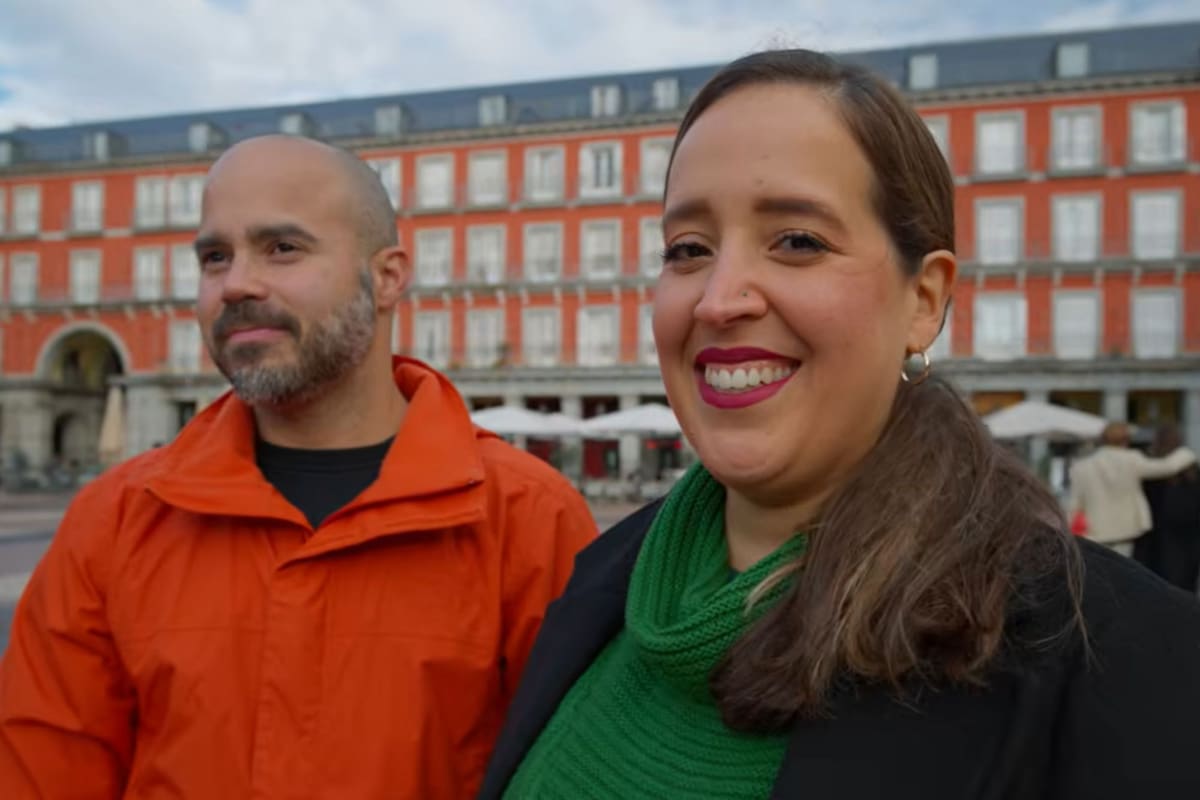
One such family, originally from Valencia, Venezuela, spent nearly a decade navigating life between Florida and North Carolina before making the deliberate decision to relocate to Madrid, Spain. Their journey reflects a broader, quietly growing trend among Venezuelan migrants who, after years in the United States, are reassessing what “the American dream” means in practice—and opting instead for European cities that offer clearer pathways to residency, healthcare, and social integration.
Even as exact numbers remain difficult to pin down due to the fluid nature of migration patterns, consular data and immigration lawyers note a measurable increase in Venezuelans applying for long-term residency in Spain since 2020. Unlike the U.S., where temporary protections like Temporary Protected Status (TPS) require periodic renewal and offer no direct route to citizenship, Spain provides a more structured process for Latin American nationals, particularly those with ancestral ties or language fluency.
The family’s patriarch, a former civil engineer who worked in construction and logistics roles in Orlando and later Raleigh, described the turning point as a combination of bureaucratic fatigue and a desire for greater long-term security. “We were always one policy change away from uncertainty,” he said in a recent interview conducted in Madrid. “After renewing work permits, dealing with healthcare gaps, and seeing how hard it was to plan beyond six months, we started looking for a place where we could finally set down roots.”
Spain’s historical, linguistic, and cultural ties to Latin America have made it an increasingly attractive destination for Venezuelans seeking not just safety, but dignity and continuity. Under Spain’s “Ley de Memoria Democrática,” descendants of Spaniards expelled during the Franco era can apply for citizenship—a provision that, while not directly applicable to most Venezuelans, reflects a broader openness to Latin American migrants. More relevant is the country’s residency visa for non-lucrative activities or entrepreneurship, which allows applicants to live in Spain if they demonstrate sufficient financial means—a route many Venezuelans with savings or remote income have used.
Once in Madrid, the family enrolled their two children in a bilingual public school, citing the seamless transition thanks to shared language and familiar educational structures. The mother, who previously worked in customer service in Florida, now teaches Spanish to newly arrived migrants through a local NGO, turning her experience into community support. “It’s not that we regret our time in the U.S.,” she explained. “But here, we feel seen. We can access doctors without fear of bills. We can vote in local elections. We can imagine staying.”
This shift underscores a deeper reevaluation among displaced populations: safety is not merely the absence of crisis, but the presence of systems that allow for planning, contribution, and belonging. While the U.S. Remains a destination for many Venezuelans fleeing crisis—over 600,000 have arrived since 2021 according to U.S. Customs and Border Protection encounters—others are finding that the dream of permanence looks different across the Atlantic.
As migration patterns continue to evolve in response to global instability, stories like this one remind us that the pursuit of a better life is not a straight line, but a series of choices shaped by opportunity, dignity, and the quiet hope of being able to stay.
Why Some Venezuelan Families Are Choosing Spain Over the U.S.
The decision to leave the United States after years of building a life there is rarely made lightly. For Venezuelan migrants, who often arrive under humanitarian parole or Temporary Protected Status (TPS), the U.S. Offers immediate relief but limited long-term certainty. TPS, while life-saving, must be renewed periodically—sometimes every 18 months—and does not lead to permanent residency or citizenship. This creates a cycle of dependency on federal extensions, which are subject to political shifts and legal challenges.
In contrast, Spain offers several pathways that appeal to Venezuelans seeking stability. Citizens of Latin American countries can apply for residency after just two years of legal residence—half the time required for other nationals. This privilege stems from historical, linguistic, and cultural ties formalized in bilateral agreements. Spain’s healthcare system is universally accessible to legal residents, removing a major burden faced by many immigrants in the U.S., where insurance gaps and high costs persist even among the employed.
cities like Madrid and Barcelona have established integration programs specifically for Latin American newcomers, offering language support, job placement, and legal aid—often through partnerships with NGOs and municipal governments. These networks facilitate reduce the isolation that can accompany migration, especially for professionals whose credentials don’t always transfer directly.
For the family profiled here, the move was not an escape from the U.S., but a conscious step toward a future where their efforts could yield lasting results. “In Florida, we worked hard but always felt temporary,” the father said. “In Madrid, we’re building something that feels like it could last.”
The Reality Behind the ‘American Dream’ for Migrants
The phrase “American dream” carries different weight depending on who is invoking it. For many arriving from Venezuela, it initially meant safety from hyperinflation, scarcity, and political repression. Over time, however, the dream often confronts the reality of underemployment, credential non-recognition, and the emotional toll of living in legal limbo.
Studies from the Migration Policy Institute demonstrate that while Venezuelan immigrants in the U.S. Have high labor force participation, a significant portion work in jobs below their skill level—particularly during the first five years after arrival. Language barriers, lack of U.S. Professional licensing, and employer unfamiliarity with foreign degrees contribute to this underutilization of talent.
In Spain, whereas similar challenges exist, the recognition process for certain professions—especially in education, healthcare, and engineering—can be more streamlined for Spanish speakers from Latin America. The ability to access university education at low or no cost for residents presents a long-term advantage for families thinking about their children’s futures.
It’s also worth noting that the emotional dimension of migration should not be overlooked. Living far from extended family, navigating cultural isolation, and constantly justifying one’s right to stay can erode the sense of home. In Spain, shared language, familiar customs, and a more visible Latin American presence in neighborhoods like Lavapiés or Usera in Madrid help ease that transition.
What Which means for Migration Trends Ahead
While the United States will likely remain a primary destination for Venezuelans fleeing crisis—especially those with family ties or access to humanitarian programs—the growing interest in European alternatives suggests a diversification of migration strategies. Spain, in particular, has seen a steady rise in Venezuelan residents over the past five years, with official registers showing over 110,000 Venezuelans holding residency as of 2023, up from fewer than 50,000 in 2018.
This shift does not signal a rejection of the U.S., but rather a maturation of migrant decision-making. Families are weighing not just immediate safety, but long-term viability: access to healthcare, education, legal permanence, and the ability to contribute meaningfully to society.
For policymakers and aid organizations, the trend highlights the importance of providing accurate, comparative information about destination countries—not just emergency relief, but guidance on pathways to sustainable integration. As one integration advisor in Madrid noted, “People aren’t just looking for a place to stay. They’re looking for a place to belong.”
As global displacement continues to rise, understanding these nuanced choices will be key to supporting migrants not just in their arrival, but in their ability to thrive.
Where to Find Official Updates and Support
For Venezuelans considering relocation or seeking information about residency options in Spain, the Spanish Ministry of Foreign Affairs’ consular section in Madrid provides up-to-date guidance on visas, residency permits, and citizenship pathways. The site includes detailed requirements for non-lucrative visas, student residency, and family reunification.
In the United States, U.S. Citizenship and Immigration Services (USCIS) offers official information on Temporary Protected Status (TPS), including eligibility, renewal procedures, and country-specific designations. Venezuelans currently under TPS should monitor the Federal Register for announcements regarding extensions or terminations.
the International Organization for Migration (IOM) maintains a Venezuela-specific resource page with links to regional offices, return and reintegration programs, and asylum guidance. Local immigrant advocacy groups in both Spain and the U.S. Also offer legal clinics and language support—valuable resources for those navigating complex systems.
Staying informed through official channels remains the best way to make decisions based on current policy, not speculation or rumor.
Have you or someone you know made a similar journey—from the U.S. To Europe, or vice versa—in search of stability? We welcome your reflections and experiences in the comments below. If this story resonated, please consider sharing it to help others navigating similar crossroads.
Worth a look