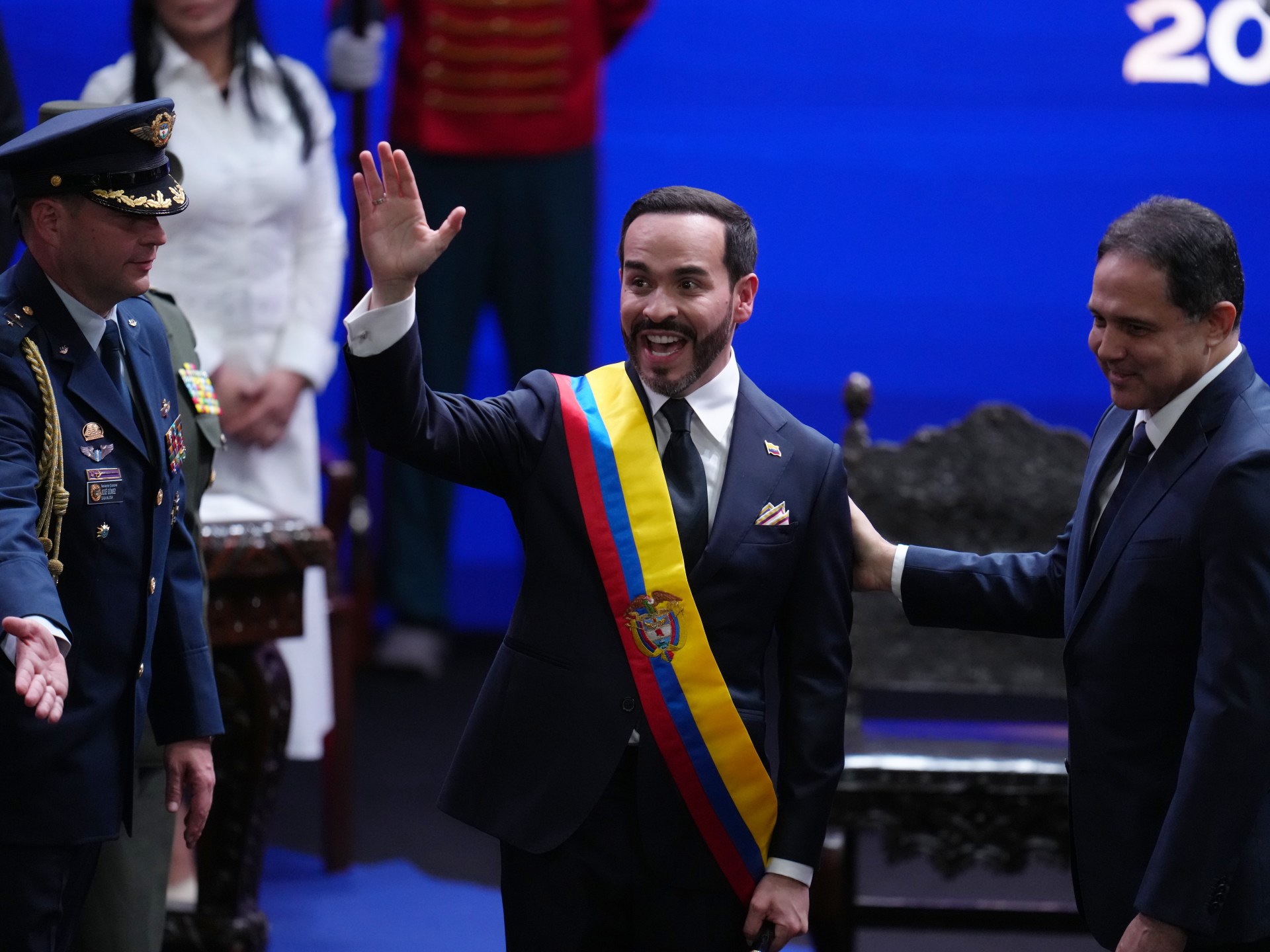
Conservative lawyer Abelardo de la Espritella was sworn in as Colombia’s president on Friday, taking the oath of office before Congress at a ceremony held in the volatile southwestern city of Cali rather than the traditional capital of Bogotá. De la Espriella, 48, succeeds outgoing leftist leader Gustavo Petro after winning a close run-off election in June by about 250,000 votes, defeating Petro’s ally, Sen. Iván Cepeda, by roughly one percentage point. Alongside him, José Manuel Restrepo took the oath and was sworn in as vice president.
Abelardo de la Espriella Sworn In as Colombia President, Vows Armed Group Crackdown
The inauguration location in Cali—a city that has long borne the brunt of the government’s conflict with armed groups—signalled a decisive break from the negotiated peace strategy pursued by Petro. A political outsider and businessman known to supporters as “El Tigre” (The Tiger), de la Espriella has dismissed the previous administration’s policy as a failure. International attendees at the ceremony included Spain’s King Felipe VI, U.S. Attorney General Todd Blanche, FIFA President Gianni Infantino, and Latin American presidents such as Argentina’s Javier Milei, Ecuador’s Daniel Noboa, and Chile’s José Antonio Kast.
Hard-Line Security Approach and Rejection of Peace Talks
De la Espriella declared that the option of dialogue is completely exhausted
and vowed to relentlessly defeat narco-terrorism
. Following the ceremony, he planned to travel to a military battalion in Cali to address troops, aiming to boost morale and warn illegal armed groups that they must surrender or face being declared military targets. His administration’s tougher approach to crime includes plans to build large prisons and use aerial spraying and drones to destroy illegal coca crops.
Security challenges heavily impacted the swearing-in event, with authorities deploying soldiers, armored vehicles, and multiple checkpoints to screen vehicles for explosives. The country’s southwestern region remains heavily contested by armed factions, including dissident groups of the demobilized FARC rebel movement that rejected a peace deal signed a decade ago, the Clan del Golfo cartel, and the National Liberation Army guerrilla group.
Energy Policy Reversal and Plans for Ecopetrol
In addition to security changes, de la Espriella pledged to revive Colombia’s oil and gas sector, strengthen the electricity system, and restore state-owned energy company Ecopetrol, describing energy security as a matter of national sovereignty. He stated that while he believes in an energy transition toward wind and solar power, it must be built from self-sufficiency rather than dependence.
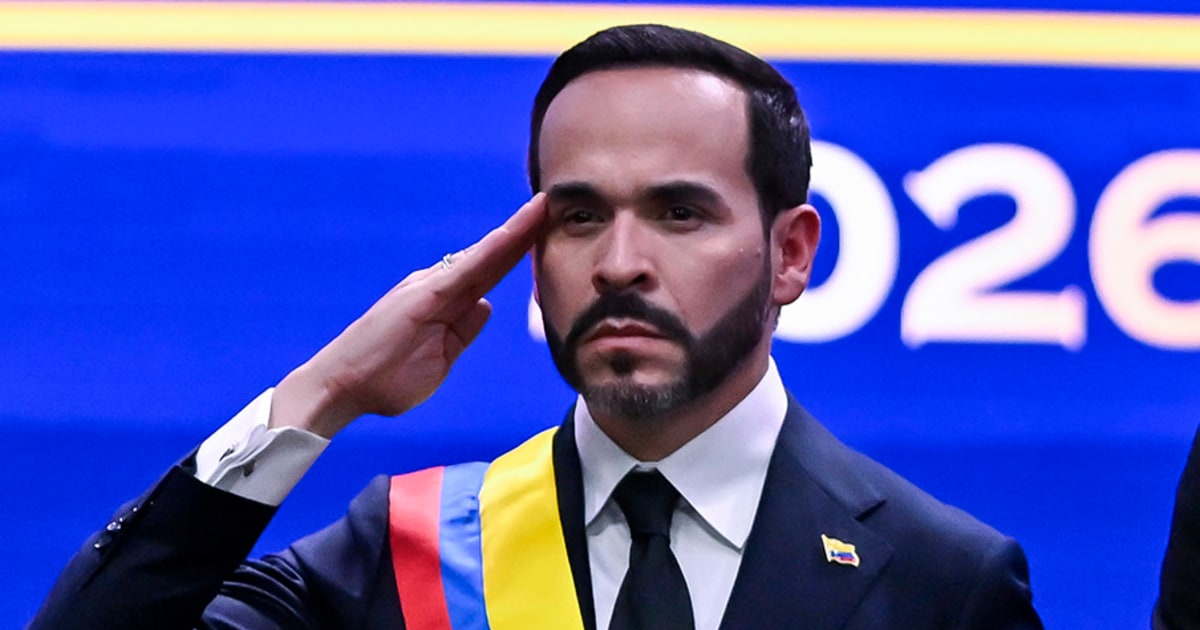
The new president confirmed his government will authorize fracking under strict technical and environmental standards and expand oil and gas exploration to counter declining reserves and rising electricity demand. This marks a sharp reversal from Petro, who had stopped awarding new oil and gas exploration contracts.
Government Spending Cuts and Political Opposition
Domestically, de la Espriella has announced plans to cut government spending by as much as 40 percent to reduce the growing budget deficit, alongside plans to close 14 Colombian embassies in Europe, Africa, and the Caribbean. Analysts note that he will need to build a majority in Colombia’s fragmented Congress to enact deeper reforms.
Outgoing President Petro did not attend the inauguration, having declined to recognize the election results and claiming without credible evidence that the vote count was rigged—allegations dismissed by international observers and Colombia’s electoral authorities. Petro stated he will serve as an acerbic and relentless opponent, while social and student organizations have staged demonstrations in Cali, Bogotá, and Barranquilla ( NBC News).
Keep reading