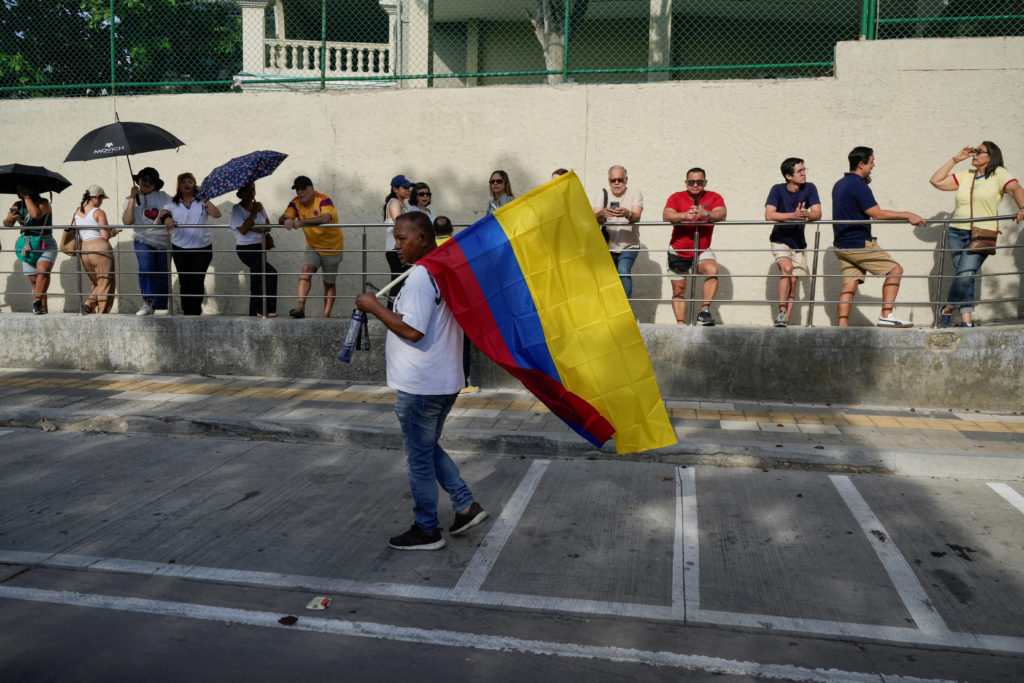
Colombian voters are heading to the polls in a high-stakes presidential runoff election, choosing between a political outsider and a candidate aligned with the current administration. The election represents a critical junction for the nation’s economic policy and social reform agenda, as the electorate weighs the potential for a shift in governance against the continuation of the movement led by outgoing President Gustavo Petro, Colombia’s first leftist head of state, according to reports from the National Civil Registry of Colombia.
The runoff features a stark contrast in ideologies. One path is represented by a candidate emphasizing business-friendly reforms and traditional legal frameworks, while the other is defined by the progressive platform established by the current administration. This election, which follows a multi-stage democratic process mandated by the Political Constitution of Colombia, will determine the trajectory of the country’s legislative and fiscal priorities for the next four-year term.
The Candidates and Their Platforms
The electoral contest pits two distinct visions for the future of the Andean nation. On one side, the opposition platform centers on market-oriented economic policies and a focus on private sector growth. Supporters of this movement argue that a change in leadership is necessary to stabilize the economy and address investor concerns regarding current fiscal policies, as noted in recent analysis from the World Bank’s country briefing for Colombia.
Conversely, the progressive movement seeks to consolidate the social gains initiated during the Petro administration. This platform advocates for expanded public services, environmental sustainability, and a continuation of the structural reforms that have characterized the current government’s tenure. According to data from the National Administrative Department of Statistics (DANE), these policy debates occur against a backdrop of complex economic indicators, including fluctuating inflation rates and ongoing efforts to diversify the national economy beyond its traditional reliance on energy exports.
Economic Implications for Global Markets
Global investors are monitoring the Colombian runoff closely due to the country’s significant role in Latin American trade and energy markets. The outcome is expected to influence foreign direct investment, the stability of the Colombian peso, and the nation’s standing in regional trade agreements. As reported by the International Monetary Fund, Colombia’s fiscal consolidation remains a primary focus for international financial institutions, regardless of which political faction secures the presidency.
The transition of power, regardless of the winner, must align with the budgetary constraints and legal requirements established by the national legislature. Observers from the Organization of American States (OAS), which has deployed election observation missions, emphasize that the integrity of the vote count and the peaceful transfer of power are essential for maintaining market confidence and social stability.
What Happens Next
Once the polls close, the National Civil Registry is tasked with the rapid tabulation of votes. Under Colombian law, the electoral authority is required to provide preliminary results shortly after the conclusion of voting, with the official count finalized in the days following the election. The president-elect is scheduled to be inaugurated in August, following the constitutional timeline for the transition of executive power, as outlined by the Office of the President of Colombia.

Citizens and international stakeholders are encouraged to monitor the official portal of the National Civil Registry for verified vote tallies and statements regarding the election’s conduct. As the results emerge, the focus will shift toward the formation of the new cabinet and the legislative strategy for the incoming administration. We invite readers to share their perspectives on the potential impact of these elections in the comments section below.
Worth a look