Researchers at the University of Texas Southwestern Medical Center are currently investigating innovative therapeutic approaches to combat glioblastoma, a highly aggressive form of brain cancer. Recent studies and ongoing clinical trials at the Dallas-based institution focus on overcoming the blood-brain barrier and targeting specific molecular pathways that allow these tumors to resist standard treatments. This research represents a significant effort to improve survival outcomes for patients facing one of the most challenging oncology diagnoses.
Glioblastoma multiforme remains a primary target for neuro-oncology research due to its rapid progression and high recurrence rates. According to the National Cancer Institute, the standard of care—which typically involves surgical resection followed by radiation and chemotherapy—often faces limitations because tumor cells frequently infiltrate surrounding healthy brain tissue. The work being conducted at UT Southwestern, supported by various federal and private grants, aims to identify novel biomarkers and drug delivery systems that could eventually offer more targeted interventions for patients.
Understanding the Challenge of Glioblastoma
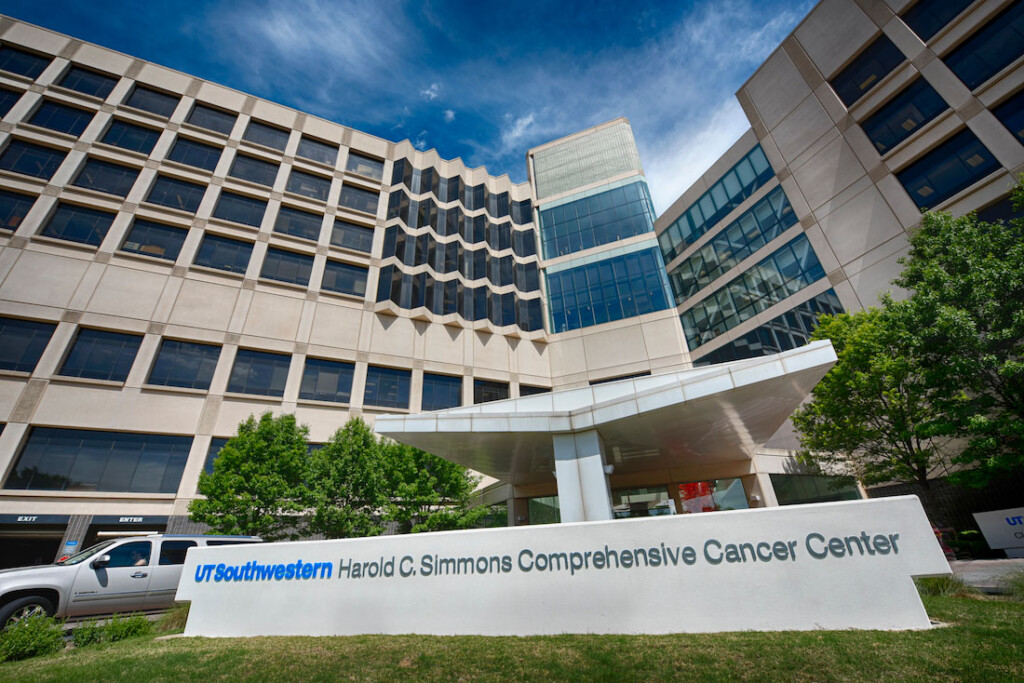
The complexity of glioblastoma lies in its cellular heterogeneity, meaning that a single tumor can contain various types of cells, each responding differently to medication. Because of this, researchers are shifting their focus toward personalized medicine. By analyzing the genetic profile of a patient’s tumor, scientists at institutions like UT Southwestern are working to map out specific vulnerabilities within the cancer cells. The Harold C. Simmons Comprehensive Cancer Center serves as a hub for this interdisciplinary research, bringing together neurosurgeons, oncologists, and molecular biologists to accelerate the transition from laboratory findings to clinical applications.
Funding plays a critical role in these advancements. Securing multi-year grants from organizations like the National Institutes of Health (NIH) allows research teams to conduct the longitudinal studies required to validate new treatment protocols. According to the NIH budget documentation, substantial portions of federal cancer research funding are directed toward high-impact areas like brain tumor microenvironments, which are essential for understanding how tumors maintain their growth despite aggressive treatment regimens.
Advancements in Drug Delivery and Targeting
One of the most persistent hurdles in treating brain tumors is the blood-brain barrier, a protective layer that prevents many substances in the blood from entering the brain. Many effective chemotherapy agents are filtered out by this biological defense system. Researchers at UT Southwestern are exploring techniques such as focused ultrasound and nanoparticle-based delivery systems to bypass this barrier, allowing therapeutic agents to reach the tumor site in higher concentrations.

Clinical trials are the next step in verifying the safety and efficacy of these experimental methods. Before a treatment can be approved, it must undergo rigorous testing phases, as outlined by the U.S. Food and Drug Administration (FDA). These trials ensure that researchers can measure not only the impact on tumor size but also the quality of life for patients undergoing the treatment. The process is lengthy, often spanning several years, but it remains the gold standard for establishing the medical efficacy of new oncology therapies.
The Role of International Collaboration
The pursuit of a cure for glioblastoma is a global endeavor. Scientific cooperation between US-based academic medical centers and international research partners allows for the sharing of large-scale clinical data and diverse patient cohorts. By pooling resources and expertise, these global teams can identify rare genetic mutations that might be missed in smaller, localized studies. This collaborative spirit is essential for the rapid dissemination of findings that could influence treatment standards worldwide.
For patients and their families, staying informed about the latest developments is a vital part of the treatment journey. Official updates regarding ongoing trials and newly approved therapies are typically published through the ClinicalTrials.gov database, which provides a comprehensive registry of federally and privately supported clinical studies conducted around the world.
What Happens Next in Glioblastoma Research
The next major checkpoint for glioblastoma research involves the publication of phase two and phase three clinical trial results, which will provide clearer data on long-term survival rates and treatment toxicity. Researchers are also looking toward immunotherapy, which trains the patient’s own immune system to recognize and attack cancer cells. As these trials progress, the medical community anticipates more granular data on which patient subgroups are most likely to benefit from specific, targeted therapies.

The path forward requires sustained financial investment and continued participation in clinical research programs. As experts continue to refine these molecular targets, the hope is to transition glioblastoma from a terminal diagnosis to a manageable condition. For those seeking further information on current research initiatives, local university hospitals and national cancer advocacy groups provide reliable resources for patients and researchers alike.
Have you or a loved one been affected by these developments in oncology? Please share your thoughts and questions in the comments section below to join the ongoing conversation on medical innovation.
Worth a look