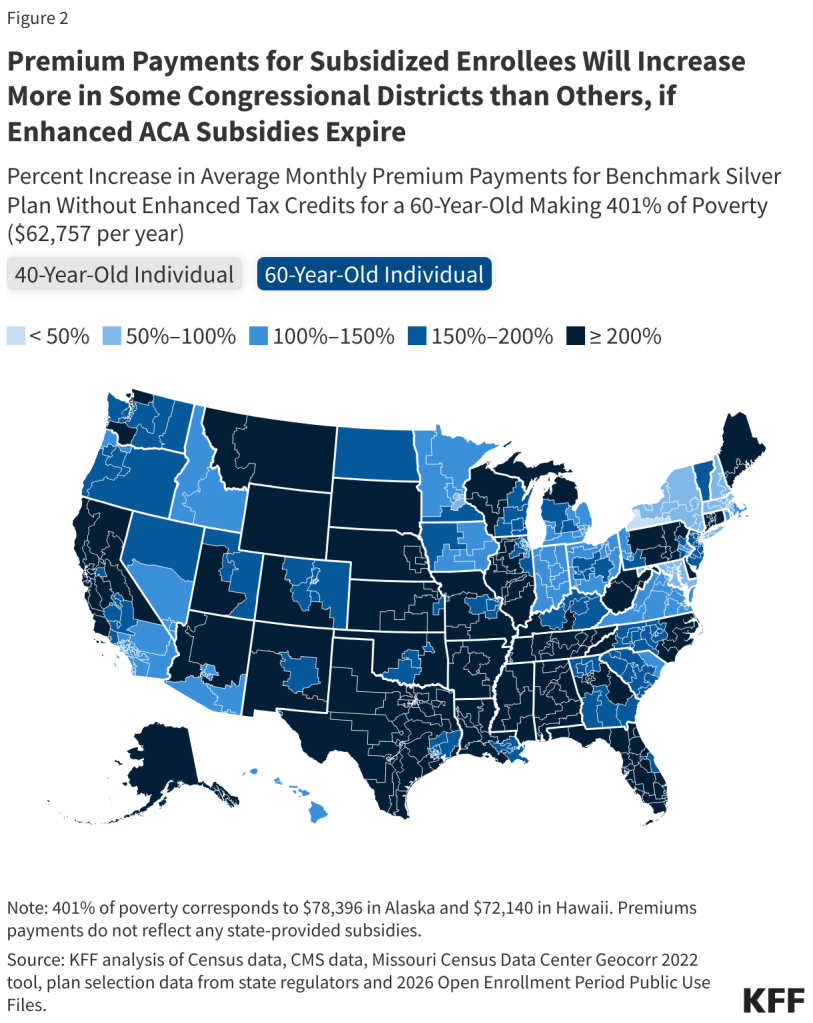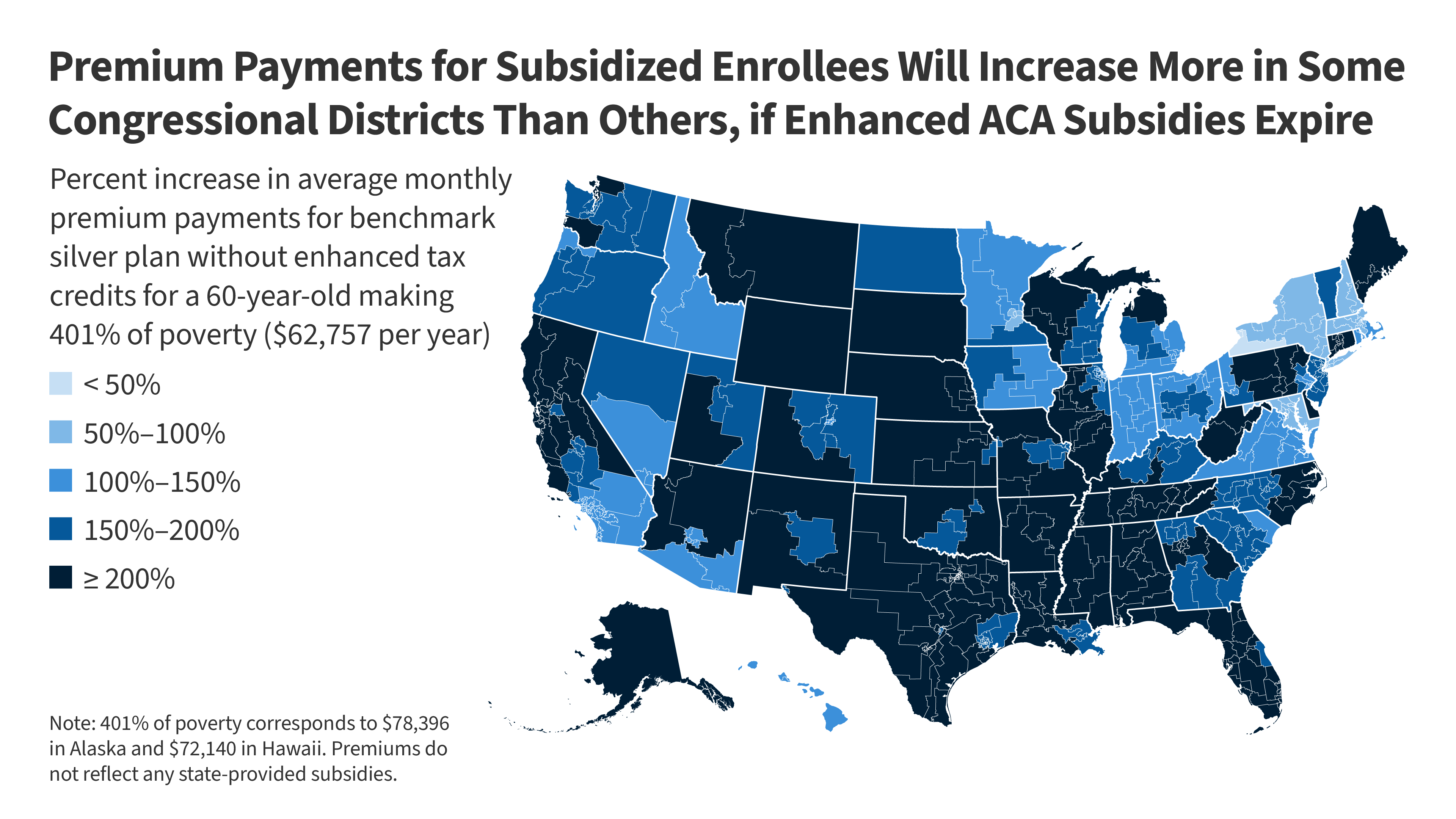
The Looming Impact of Expiring ACA Subsidies on Health Insurance Costs
The Affordable Care Act (ACA) has significantly expanded health insurance access, largely through premium tax credits. Though, these enhanced tax credits, initially boosted during the pandemic, are set to expire. This poses a substantial risk to affordability, especially for those with moderate incomes. Let’s break down what this means for you and your health insurance premiums.
Understanding the Income Brackets
This analysis focuses on individuals aged 60, as age is a significant factor in premium calculations. We’ll examine three income levels as a percentage of the federal poverty level (FPL): 401%, 501%, and 601%.
* 401% FPL: $62,757 annually for an individual in the contiguous U.S. (higher in Alaska and Hawaii: $78,396 and $72,140 respectively).
* 501% FPL: $78,407 annually in the contiguous U.S. (higher in Alaska and hawaii: $97,946 and $90,130 respectively).
* 601% FPL: $94,057 annually in the contiguous U.S. (higher in Alaska and Hawaii: $117,496 and $108,120 respectively).
How Premium Costs Will Change
The expiration of these credits will dramatically increase the cost of health insurance for many. Here’s a state-by-state look at the potential impact:
* 401% FPL: In 46 states and the District of Columbia, a 60-year-old at this income level will see thier average annual premium for a benchmark silver plan at least double without the enhanced tax credits.
* Significant Increases: Nineteen states will experience premium increases of at least triple the current cost, consuming over 25% of annual income.
* State-Level Variation: Wyoming faces the highest potential increase ($22,452 annually),followed by West Virginia ($22,006) and Alaska ($19,636).
* Lower Increases: New York ($4,469), Massachusetts ($4,728), and New Hampshire ($4,877) will see comparatively smaller increases.
impact Across Income Levels
The effect of expiring credits isn’t uniform.
* 501% FPL: Premium payments will at least double in 37 states and D.C. for 60-year-olds.
* 601% FPL: Nineteen states will see benchmark silver premium payments at least double for a 60-year-old.
* Age Matters: The impact on 40-year-olds is less severe at all income levels, as premiums are generally lower for younger individuals.