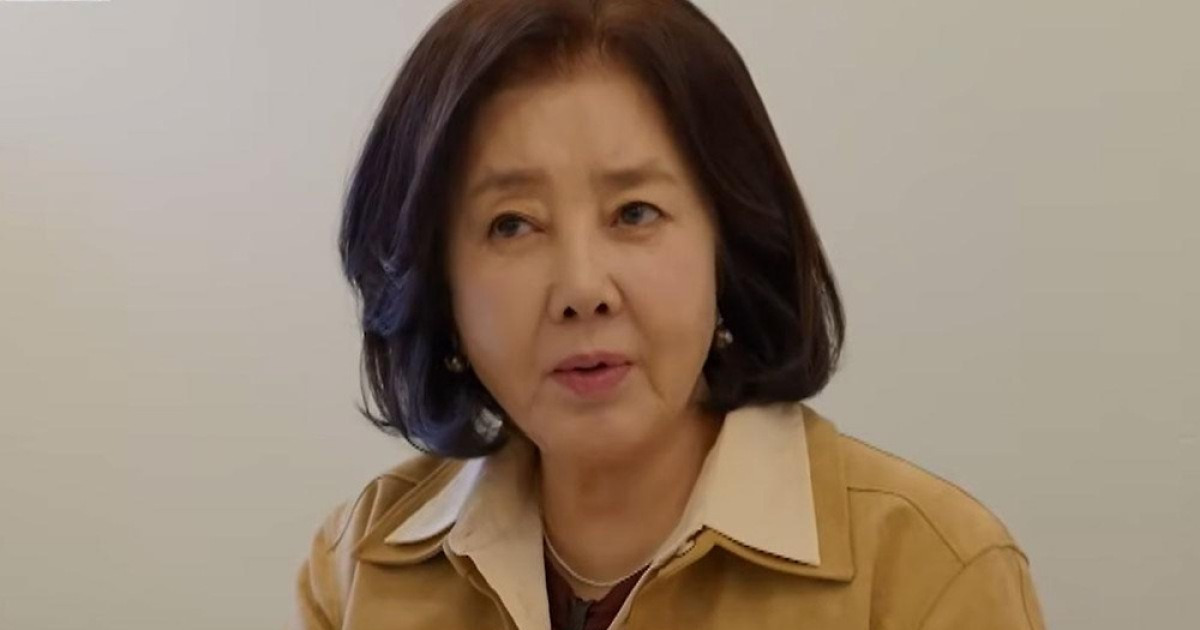
Actress Kim Young-ran, a veteran of South Korea’s entertainment industry, has opened up about the profound physical toll of osteoarthritis, revealing how the degenerative joint disease has reshaped her daily life and future outlook. In a candid discussion that underscores the often-hidden struggles of aging, Kim—who is nearing her 70th birthday—described her left knee as the sole source of her chronic pain, a condition that has left her fearing mobility loss if left unmanaged.
Kim’s disclosure comes amid a global rise in osteoarthritis cases, a condition affecting over 300 million people worldwide, according to the World Health Organization. For many, the disease progresses silently until daily activities become a challenge. Kim’s case highlights how early intervention—through physical therapy, lifestyle adjustments, and emerging treatments—can mitigate severe outcomes. Yet, despite her proactive approach, including yoga and medical interventions, she remains acutely aware of the fragility of joint health as one enters later adulthood.
The actress’s public reflection on osteoarthritis also serves as a poignant reminder of the intersection between physical health and emotional well-being. Kim has previously spoken about the psychological strain of her past, including postpartum depression and the pressures of early motherhood, which she linked to the onset of her joint issues. Her story resonates with millions navigating similar health transitions, offering a rare glimpse into the resilience required to adapt to chronic conditions.
From Postpartum Struggles to Chronic Pain: Kim’s Journey
Kim’s health challenges trace back to her early 30s, when she gave birth to her daughter. The physical demands of motherhood, compounded by the stress of living as an eldest daughter-in-law—a traditional but often isolating role in Korean culture—led to severe postpartum depression. She described spending two months in winter walking endlessly, a symptom of her mental health crisis, which may have contributed to the early strain on her joints.
By her 50s, menopause and the natural aging process exacerbated her symptoms. “My knee feels like it’s being stabbed every time I move,” she recounted, adding that even simple tasks like descending stairs trigger a distinct “cracking” sound. These sensations are not uncommon in osteoarthritis, where cartilage breakdown leads to bone friction and inflammation. Kim’s decision to undergo fluid drainage and injections—common treatments for severe cases—reflects the aggressive management often required to maintain mobility.
Today, Kim is turning to yoga and other low-impact exercises to strengthen the muscles around her knee, a strategy supported by clinical guidelines for osteoarthritis management. Her openness about the condition may also encourage others to seek early diagnosis, as osteoarthritis is often underdiagnosed in its early stages.
Osteoarthritis: A Global Epidemic with Rising Stakes
Osteoarthritis, often referred to as “wear-and-tear” arthritis, is the most common form of the disease, affecting approximately 27 million Americans alone. While aging is the primary risk factor, obesity, previous injuries, and genetic predisposition also play significant roles. For Kim, whose career has spanned decades, the physical demands of her profession—including prolonged standing and repetitive motions—may have accelerated joint degeneration.
Recent advancements in osteoarthritis treatment offer hope for better management. Platelet-rich plasma (PRP) therapy, stem cell injections, and even FDA-approved medications like glucosamine and chondroitin are increasingly used to slow progression. However, lifestyle modifications—such as maintaining a healthy weight, regular exercise, and avoiding high-impact activities—remain the cornerstone of long-term care.
Kim’s case also highlights the emotional burden of chronic pain. Studies show that osteoarthritis patients often experience anxiety and depression, particularly when mobility becomes limited. Her decision to share her story publicly may serve as a call to action for better mental health support within chronic pain management programs.
What Happens Next? Monitoring and Prevention
For individuals like Kim, regular monitoring is critical. Rheumatologists recommend annual check-ups to assess joint health, particularly for those over 50 or with a family history of osteoarthritis. Early intervention can delay the need for joint replacement surgery, which Kim has thus far avoided. Her commitment to yoga and physical therapy aligns with evidence-based strategies to improve joint function and reduce pain.
If you or a loved one is experiencing persistent joint pain, consulting a healthcare provider is the first step. The Arthritis Foundation offers resources on symptom management, while the WHO provides global guidelines on physical activity and nutrition to prevent osteoarthritis progression.
Key Takeaways
- Osteoarthritis is progressive: Without management, symptoms like Kim’s can worsen over time, potentially leading to mobility loss.
- Early intervention matters: Treatments such as PRP therapy, physical therapy, and weight management can slow joint damage.
- Mental health is linked: Chronic pain often co-occurs with anxiety or depression, requiring holistic care.
- Lifestyle changes help: Low-impact exercises like yoga, swimming, and cycling are recommended to maintain joint health.
- Public awareness reduces stigma: Stories like Kim’s encourage others to seek diagnosis and support.
A Call for Greater Awareness
Kim Young-ran’s openness about her osteoarthritis serves as a powerful reminder that chronic conditions do not discriminate by age or profession. As she approaches her 70th year, her story is a testament to resilience—but also a call to action for better public health education. With osteoarthritis cases expected to rise as populations age, proactive measures in prevention and treatment are more urgent than ever.

For those following Kim’s journey, her next steps will likely involve continued physical therapy and regular consultations with her healthcare team. As she has stated, “I won’t let my knees define my future.” Her determination offers hope to millions navigating similar challenges.
Have you or a loved one faced osteoarthritis? Share your experiences in the comments below, or connect with us on social media to discuss how we can better support chronic pain management in our communities.
Related reading