
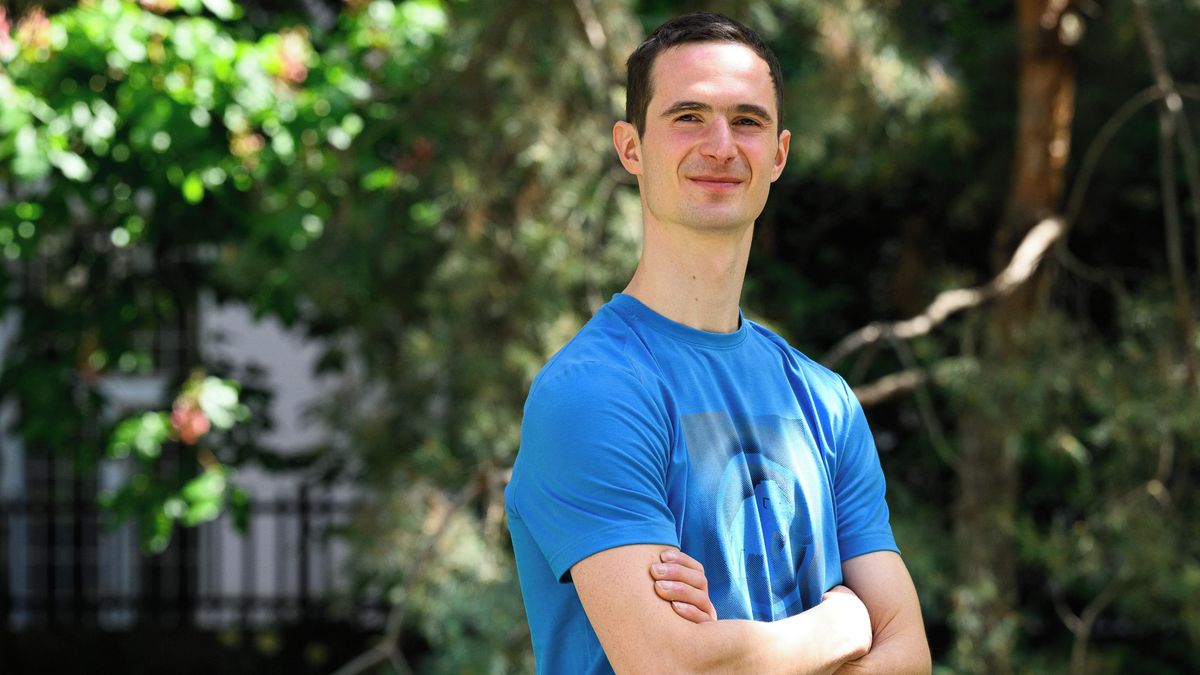
PRAGUE — In a stunning return to competitive climbing, Czech superstar Adam Ondra is set to take the stage at this year’s IFSC Climbing World Cup in Prague, marking a dramatic shift in both his career trajectory and the event’s format. The two-time world champion, renowned for his unparalleled skill in lead climbing, will compete in his signature discipline at the Štvanice Island venue on June 13–15, 2026 — a decision that has sent ripples through the global climbing community. What makes this appearance even more extraordinary is the unexpected twist behind it: organizers’ bold move to combine bouldering and lead climbing into a single event, a first for the Prague stop of the World Cup circuit.
Ondra, who announced his retirement from competitive bouldering just a year ago, has since focused on outdoor climbing and preparing for the 2028 Los Angeles Olympics. His return to the World Cup stage in Prague — a city where he has long drawn massive local support — is not just a homecoming but a strategic pivot. “I’m really looking forward to it,” Ondra said in a statement on his official website. “It’s going to be a great atmosphere, and I’ll have a huge family fan club there. It’s as well a fantastic advertisement for the Czech Republic.” His participation underscores the event’s growing significance, as Prague prepares to host one of the most anticipated stops on the international climbing calendar.
The Decision That Changed Everything
The 2026 IFSC Climbing World Cup in Prague represents a radical departure from previous editions. Traditionally, the event has focused solely on bouldering, but this year, organizers have introduced a combined format that includes both bouldering and lead climbing. The change was driven by logistical challenges — the original venue, the O2 Arena, was unavailable — but it has also created an opportunity to showcase a broader spectrum of climbing talent. Štvanice Island, a historic sports complex nestled along the Vltava River, will now host the event, offering a picturesque and central location that organizers hope will enhance the spectator experience.
For Ondra, the inclusion of lead climbing was a game-changer. “Lead climbing is my favorite discipline,” he noted in a recent interview with Czech Radio (iROZHLAS). “The environment at Štvanice, so close to the center of a European capital, right by the river — it’s going to be a fantastic atmosphere for both competitors and spectators.” The decision to merge the two disciplines has not only drawn Ondra back to the competition but also elevated the event’s profile, attracting top climbers from around the world. According to the official IFSC event calendar, the Prague World Cup is now one of only a handful of combined-format stops on the 2026 circuit.

The shift to Štvanice Island is more than just a change of scenery. The venue, which has hosted everything from ice hockey to athletics, is undergoing a temporary transformation to accommodate the unique demands of competitive climbing. Organizers have promised a “monumental” climbing wall, designed to challenge athletes while providing an immersive experience for spectators. “This is a radical step,” said one event official in an interview with Sport.cz. “We’re not just moving the event; we’re reimagining what a World Cup in Prague can be.” The novel setup is expected to include multiple climbing routes of varying difficulty, ensuring that both bouldering and lead climbing athletes have the space and conditions to perform at their best.
Ondra’s Olympic Ambitions and the Road to LA
Ondra’s return to the World Cup circuit is not just about nostalgia or hometown pride. It’s a calculated step in his preparation for the 2028 Summer Olympics in Los Angeles, where sport climbing will once again feature as a medal event. While Ondra has not ruled out competing in bouldering or speed climbing at the Games, his primary focus remains lead climbing — a discipline in which he has dominated for over a decade. “I’m not giving up on the Olympics,” he told iDNES.cz in April. “I still have goals, and I want to be at my best in LA.”
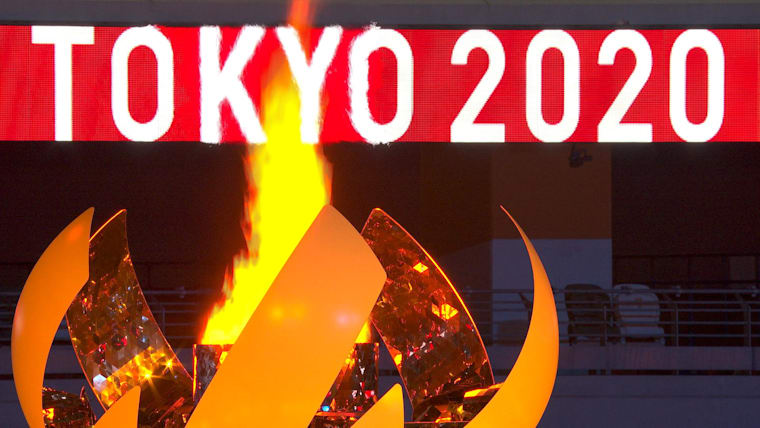
Ondra’s Olympic journey has been anything but straightforward. At the 2020 Tokyo Olympics (held in 2021 due to the pandemic), he finished sixth in the combined event, a result that fell short of his own high expectations. The format, which required athletes to compete in all three disciplines — lead, bouldering, and speed — was a particular challenge for Ondra, whose strengths lie in lead and bouldering. For the Paris 2024 Games, the International Olympic Committee (IOC) adjusted the format, separating bouldering and lead climbing into a single combined event, while speed climbing became its own standalone competition. Ondra opted not to compete in Paris, choosing instead to focus on outdoor climbing and prepare for the 2028 Games, where the format is expected to remain similar to Paris.
His participation in the Prague World Cup is a critical part of that preparation. “This is a chance to test myself against the best in the world in a high-pressure environment,” Ondra said. “It’s also an opportunity to reconnect with the competitive side of the sport, which I’ve missed.” The event will serve as a barometer for his progress, offering insights into how he stacks up against younger climbers who have emerged since his last major competition. With the Olympic qualification process set to initiate in 2027, every performance counts — and Prague could be a defining moment in Ondra’s quest for Olympic gold.
Why This Event Matters for Czech Climbing
The Prague World Cup is more than just a sporting event; it’s a celebration of Czech climbing culture and a showcase for the country’s growing influence in the sport. Ondra, who has been a global ambassador for climbing since his breakthrough in the early 2010s, has played a pivotal role in popularizing the sport in the Czech Republic. His success has inspired a new generation of climbers, and the World Cup is expected to draw record crowds, further cementing Prague’s reputation as a hub for climbing excellence.
“Adam Ondra is a national hero,” said Jan Kříž, president of the Czech Climbing Federation, in a recent interview. “His achievements have brought attention to our sport, and this event is a chance to build on that momentum.” The federation has been working closely with local authorities to ensure the event’s success, including securing permits for the temporary climbing structures at Štvanice Island and coordinating with public transport to accommodate the expected influx of spectators. Tickets for the event have been selling quickly, with organizers reporting strong demand from both domestic and international fans.
The economic impact of the World Cup is also significant. According to a report by the Prague City Tourism Department, major sporting events like this can generate millions of euros in revenue for local businesses, including hotels, restaurants, and retailers. The event is expected to attract thousands of visitors to Prague, many of whom will extend their stay to explore the city’s cultural and historical attractions. For a sport that has long operated on the fringes of mainstream athletics, the World Cup represents a rare opportunity to shine in the global spotlight.
What to Expect in Prague
The 2026 IFSC Climbing World Cup in Prague promises to be one of the most exciting stops on the circuit. Here’s what fans and newcomers to the sport can look forward to:
- A Combined Format: For the first time, the Prague World Cup will feature both bouldering and lead climbing, offering a unique spectacle for spectators. Bouldering, which involves short, powerful climbs without ropes, will take place on the first day, while lead climbing — where athletes ascend taller routes with ropes — will dominate the second and third days. The combined format means fans will get to witness a wider range of climbing styles and strategies, making the event more dynamic and unpredictable.
- A Star-Studded Lineup: In addition to Ondra, the event is expected to attract some of the biggest names in climbing. Among the confirmed athletes are Janja Garnbret, the Slovenian climber who dominated the women’s bouldering and lead climbing events at the Tokyo Olympics, and Tomoa Narasaki, the Japanese speed and bouldering specialist. The presence of these athletes ensures that the competition will be fierce, with medals likely decided by the narrowest of margins.
- A Spectacular Venue: Štvanice Island, located in the heart of Prague, offers a stunning backdrop for the event. The island, which is accessible by tram and metro, is surrounded by the Vltava River and offers panoramic views of the city’s historic skyline. Organizers have promised a “festival-like atmosphere,” with food stalls, live music, and interactive climbing walls for spectators to try their hand at the sport. The main climbing wall, which will be erected specifically for the event, is expected to be one of the tallest and most challenging ever used in a World Cup competition.
- Ondra’s Homecoming: For Czech fans, the highlight of the event will undoubtedly be Ondra’s performance. The 31-year-old climber, who has won multiple World Championship titles and set numerous world records, is a household name in the Czech Republic. His participation is expected to draw a massive local crowd, with many fans traveling from across the country to cheer him on. Ondra has embraced the role of ambassador for the event, encouraging fans to attend and experience the excitement of competitive climbing firsthand. “I can’t wait to see everyone at Štvanice,” he said. “It’s going to be a celebration of climbing, and I’m honored to be a part of it.”
The Bigger Picture: Climbing’s Growing Popularity
Ondra’s return to the World Cup stage comes at a time when climbing is experiencing unprecedented growth. The sport’s inclusion in the Olympic program has brought it into the mainstream, attracting new fans and participants from around the world. According to the International Federation of Sport Climbing (IFSC), the number of registered climbers has increased by over 50% since 2016, with countries like the United States, Japan, and France leading the way in terms of participation. The IFSC’s World Cup circuit, which includes stops in cities like Innsbruck, Chamonix, and Seoul, has also seen a surge in viewership, with millions of fans tuning in to watch the competitions online.
For Ondra, this growth represents both an opportunity and a challenge. As one of the sport’s most recognizable figures, he has a unique platform to inspire the next generation of climbers. At the same time, the influx of new talent means that the competition is fiercer than ever. “The level of climbing has never been higher,” Ondra noted in a recent interview. “Every year, there are new athletes pushing the limits of what’s possible. It’s exciting, but it also means you have to work harder to stay at the top.”
The Prague World Cup is a microcosm of this evolution. The event’s combined format reflects the sport’s increasing complexity, as athletes are now expected to excel in multiple disciplines. For Ondra, who has spent years mastering lead climbing, the challenge will be to adapt to the demands of the new format while maintaining his signature precision and control. His performance in Prague could set the tone for the rest of the season — and for his Olympic campaign.
What’s Next for Ondra and the World Cup?
Following the Prague World Cup, Ondra is expected to shift his focus back to outdoor climbing, with plans to tackle some of the world’s most challenging routes. He has already hinted at a return to the Soudain Seul route in France, a 9A-grade climb that he first ascended in 2021. “Outdoor climbing is where my heart is,” he said. “But the World Cup is a great way to stay sharp and test myself against the best.”
For the IFSC, the success of the Prague World Cup could pave the way for more combined-format events in the future. The federation has been experimenting with different formats in recent years, including the introduction of a “combined” discipline at the Olympics. The Prague event will serve as a valuable case study, offering insights into how athletes and spectators respond to the new setup. If successful, it could become a blueprint for future World Cup stops, further diversifying the sport and attracting new audiences.
The next major milestone for Ondra will be the 2027 IFSC Climbing World Championships, which will serve as a key qualification event for the 2028 Olympics. Until then, fans can follow his progress on his official website and social media channels, where he regularly shares updates on his training and climbing adventures. For those in Prague, tickets for the World Cup are still available through the official event website, with prices starting at 500 CZK (approximately €20) for a single-day pass.
As the climbing world turns its attention to Prague, one thing is clear: Adam Ondra’s return to the World Cup stage is more than just a comeback. It’s a statement — a reminder of why he has captivated fans for over a decade and a glimpse into the future of a sport that is evolving faster than ever. Whether he stands atop the podium or not, his presence alone ensures that the 2026 IFSC Climbing World Cup in Prague will be an event to remember.
What do you experience about Adam Ondra’s return to competitive climbing? Will he reclaim his place at the top of the sport? Share your thoughts in the comments below, and don’t forget to follow World Today Journal for more updates on the world of sports and beyond.