
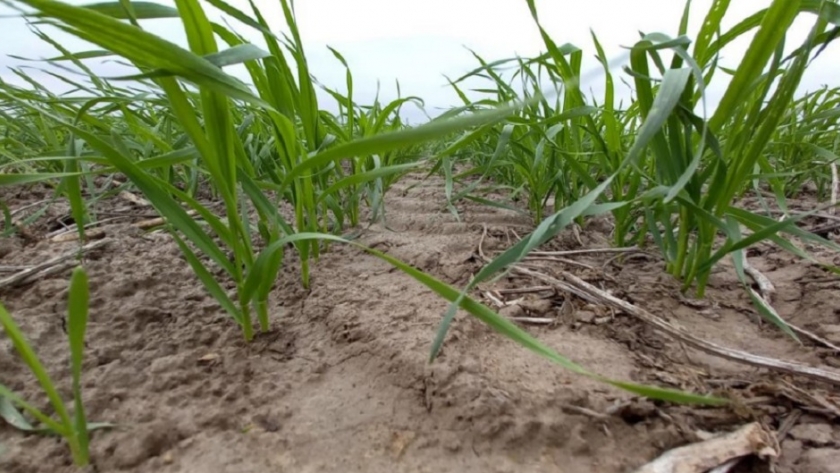
Wheat producers facing excessive soil moisture must adjust planting dates, fertilization strategies, and crop management to prevent yield loss, according to agricultural specialists. High humidity during the sowing window can lead to seed rot, poor germination, and increased susceptibility to soil-borne pathogens, which directly reduces the potential productivity of the crop.
Managing wheat sowing in wet conditions requires a shift in timing to ensure the soil has sufficient aeration for seed development. When soil remains saturated, oxygen levels drop, hindering the metabolic processes of the seed and making the plant vulnerable to anaerobic conditions. Experts suggest that delaying planting until the soil reaches a workable moisture level is often more productive than forcing a sow into waterlogged fields.
According to the Food and Agriculture Organization of the United Nations (FAO), soil moisture management is a critical component of sustainable intensification, particularly in regions experiencing erratic rainfall patterns. Proper drainage and the selection of cultivars with higher tolerance to waterlogging are primary defenses against humidity-driven yield declines.
How does excessive moisture impact wheat yield potential?
Excessive moisture during the early stages of wheat growth creates a high-risk environment for “damping-off,” a condition where soil-borne fungi attack the stem and root systems of seedlings. According to agricultural research guidelines, saturated soils limit the diffusion of nitrogen, which can lead to nutrient deficiencies even if fertilizer was applied correctly.
When the soil is too wet, the seed may undergo “imbibition” too slowly or unevenly, leading to irregular emergence. This lack of uniformity in the field makes subsequent management tasks, such as weed control and top-dressing fertilization, less efficient because the crop is at different developmental stages across the same plot.
Furthermore, high humidity increases the pressure from fungal diseases. According to the International Maize and Wheat Genomics Consortium and related cereal research bodies, moisture-stressed plants often exhibit weaker cell walls, making them easier targets for pathogens that thrive in damp, cool environments.
What adjustments are necessary for fertilization and management?
Specialists recommend modifying fertilization schedules to avoid nutrient leaching. In saturated soils, nitrogen—particularly in the form of nitrates—can be washed away by excess water or lost to the atmosphere through denitrification. To counter this, experts suggest splitting fertilizer applications rather than applying a single heavy dose at planting.
Applying a starter fertilizer placed near the seed can help the plant establish a root system more quickly, allowing it to better navigate moist soil. However, the timing of these applications must be synchronized with the soil’s ability to absorb the nutrients without runoff, which typically occurs after the peak of the rainfall event.
Management adjustments also include the use of treated seeds. Fungicide-treated seeds provide a chemical barrier against the pathogens that proliferate in wet soil, reducing the risk of seed rot during the critical first few weeks of growth. This is particularly important when planting dates are pushed later into the season, which may overlap with different pest and disease cycles.
Why are planting dates critical in wet seasons?
The “planting window” refers to the optimal period for sowing to maximize the crop’s exposure to favorable temperatures and moisture. When rains force a delay, producers must balance the risk of sowing into wet soil against the risk of a late start, which could expose the wheat to heat stress during the grain-filling stage in late spring.
According to crop modeling data used by regional agricultural extensions, shifting the planting date by even ten days can alter the vernalization process—the period of cold the plant needs to trigger flowering. If the delay is too great, the plant may not flower correctly, leading to a significant drop in bushels per acre.
To mitigate this, producers are encouraged to use “precision sowing” techniques. This involves monitoring soil temperature and moisture at the specific depth where the seed will be placed, rather than relying on surface conditions alone. This data-driven approach allows for a more accurate determination of when the soil is truly ready for implantation.
Comparing traditional vs. adaptive sowing strategies
Traditional sowing relies on fixed calendar dates based on historical averages. In contrast, adaptive management uses real-time soil sensors and weather forecasts to dictate action. The following table outlines the primary differences in approach during high-moisture years:
| Strategy | Timing Approach | Fertilization Method | Risk Profile |
|---|---|---|---|
| Traditional | Fixed Calendar Date | Single Pre-plant Application | High risk of seed rot/leaching |
| Adaptive | Soil Moisture Triggered | Split Application/Starter | Reduced rot; risk of late-season heat |
The shift toward adaptive strategies is largely driven by the increasing volatility of weather patterns. By prioritizing soil health and aeration over a strict calendar, farmers can maintain a higher percentage of their yield potential even in suboptimal years.
Agricultural extension services continue to monitor soil moisture levels across major wheat-producing regions to provide updated sowing advisories. The next critical checkpoint for producers will be the mid-season moisture assessment to determine if additional nitrogen applications are required to compensate for early-season leaching.
Readers are encouraged to share their local soil conditions and management strategies in the comments below.