
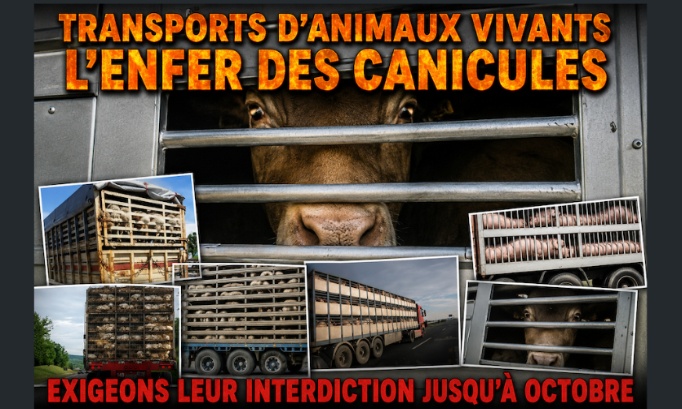
Petitions calling for the suspension of live animal transport during extreme heat waves have gained renewed momentum as advocacy groups and citizens urge European regulators to implement stricter welfare protections. These campaigns, which frequently circulate via social media, seek to mandate a halt to long-distance livestock shipments when temperatures exceed thresholds that pose a severe risk of heat stress, dehydration, and mortality among transported animals.
The core of this movement lies in the intersection of animal welfare legislation and climate-related logistics. According to the European Commission, existing regulations—specifically Council Regulation (EC) No 1/2005—govern the protection of animals during transport. However, critics argue that these rules are insufficient to address the intensifying frequency and severity of summer heat waves across the continent, leading to calls for more stringent, weather-dependent operational bans.
Current Regulatory Framework for Animal Transport
Under current European Union law, transporters are required to ensure that animals are fit for transport and that vehicle conditions protect their health. The European Food Safety Authority (EFSA), which provides independent scientific advice on food safety and animal welfare, has published comprehensive opinions regarding the thermal limits for various species. These scientific assessments frequently serve as the technical basis for petitions and lobbying efforts seeking to modernize transport requirements.
The regulatory landscape is complex because it must balance animal welfare with the economic realities of the agricultural sector. While some local and national authorities have the power to temporarily restrict transport during peak heat, there is no blanket, EU-wide “automatic suspension” triggered by temperature forecasts. This lack of a unified, automated response is precisely what many online petitions seek to change, advocating for a standardized system that triggers a mandatory pause in shipments when temperatures reach critical levels.
The Impact of Heat Stress on Livestock
Heat stress in animals is a significant welfare concern that can lead to rapid physiological decline. According to the World Organisation for Animal Health (WOAH), animals in transit are particularly vulnerable because they lack the ability to self-regulate their environment effectively within confined spaces. High ambient temperatures, combined with the heat produced by the animals themselves, can lead to respiratory distress and, in extreme cases, fatalities.
Advocacy groups often point to the “five freedoms” of animal welfare—a concept that includes freedom from discomfort and distress—as the ethical foundation for their petitions. They argue that the logistical necessity of moving livestock for slaughter or breeding does not supersede the moral and legal obligation to prevent unnecessary suffering caused by predictable, extreme weather events.
Challenges in Policy Implementation
Implementing a total suspension of animal transport during heat waves presents significant logistical hurdles. The livestock supply chain is highly integrated, and sudden interruptions can lead to overcrowding in farms or assembly centers, which may create secondary welfare risks. Consequently, industry representatives often emphasize the need for better vehicle cooling technology and improved real-time monitoring rather than total cessation of movement.
The European Parliament’s Committee of Inquiry on the Protection of Animals during Transport (ANIT) has previously investigated these issues, recommending updates to current laws to better reflect modern climate realities. While the political process remains ongoing, the push for reform continues to be driven by public awareness campaigns that highlight the potential for preventable harm during the summer months.
What Happens Next
The future of animal transport policy remains a subject of active legislative review. The European Commission is currently in the process of revising animal welfare legislation, a move that is expected to address many of the concerns raised by public petitions regarding long-distance transport and thermal conditions. Stakeholders, including farmers, transporters, and welfare organizations, are closely monitoring these developments as the proposed regulations move through the legislative pipeline.

For those interested in the official status of these reforms, the European Commission provides regular updates via its official animal welfare portal. These documents serve as the primary source for tracking upcoming hearings, policy drafts, and the integration of scientific recommendations into enforceable law. Readers are encouraged to follow these official channels for verified information on potential changes to transport protocols.
As the debate continues, the effectiveness of these petitions often depends on their ability to translate public concern into sustained pressure on policymakers. Whether you are a supporter of these measures or an observer of agricultural policy, staying informed through official regulatory updates ensures a clear understanding of how these complex welfare issues are managed in practice. Please feel free to share your thoughts or continue the conversation in the comments section below.