
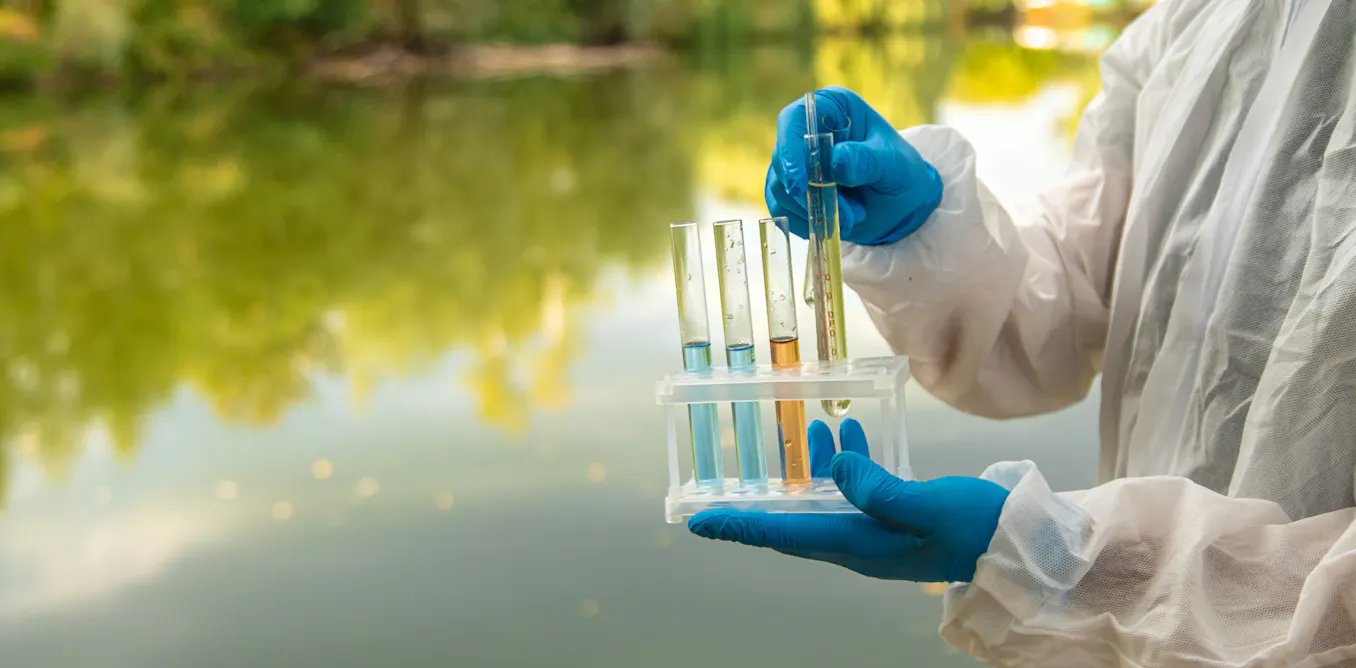
Ecotoxicology, the scientific study of the effects of toxic chemicals on biological organisms, is undergoing a necessary transformation to address the complex environmental realities of the Anthropocene. As industrial chemical production continues to rise globally, researchers are shifting away from traditional, single-species laboratory tests toward more integrated, predictive models that account for ecosystem-level interactions and long-term environmental stressors.
The Anthropocene, defined by the significant impact of human activity on the Earth’s geology and ecosystems, presents challenges that legacy testing methods were not designed to handle. According to the European Environment Agency, the complexity of chemical exposure—often involving “cocktail effects” where multiple substances interact—requires a more sophisticated approach than the standardized, one-by-one chemical assessments that have dominated regulatory frameworks for decades.
Moving Beyond Traditional Laboratory Models
Historically, ecotoxicology relied heavily on standardized tests using a limited number of “model species,” such as specific types of algae, daphnia, or fish. These tests were intended to establish baseline toxicity levels under controlled, static conditions. However, scientists argue these methods frequently fail to capture the reality of field conditions, where organisms face fluctuating temperatures, varying nutrient levels, and multiple simultaneous stressors.

The Organisation for Economic Co-operation and Development (OECD) has emphasized the importance of transitioning toward “New Approach Methodologies” (NAMs). These include in vitro models, high-throughput screening, and computational toxicology, which aim to predict the biological impact of chemicals with greater accuracy and speed. By utilizing these tools, researchers can better understand the mechanisms of toxicity at a molecular level, rather than merely observing mortality rates in a laboratory tank.
The Challenge of Multi-Stressor Environments
One of the primary difficulties in modern ecotoxicology is accounting for the cumulative impact of various environmental changes. Climate change, habitat loss, and chemical pollution do not act in isolation. As noted by the Intergovernmental Science-Policy Platform on Biodiversity and Ecosystem Services (IPBES), the synergistic effect of these pressures can lower the threshold at which a chemical becomes harmful to a population.

To improve predictive capabilities, the field is increasingly adopting “systems biology” approaches. This involves mapping the networks of interactions within an organism and across an entire ecosystem. Instead of asking “Is this chemical toxic to this fish?”, researchers are now asking, “How does this chemical alter the fish’s ability to respond to rising water temperatures and limited food sources?” This shift is critical for developing more resilient environmental policies that protect biodiversity.
Integrating Data for Better Policy
The goal of these scientific advancements is to provide regulators with actionable data that reflects real-world exposure. Current regulatory processes, such as the REACH regulation in the European Union, are gradually incorporating more advanced computational models to evaluate chemical safety. However, the gap between cutting-edge research and legislative implementation remains a significant hurdle.

Bridging this gap requires closer collaboration between academic researchers, industry stakeholders, and government agencies. By standardizing the data generated through advanced predictive models, the scientific community can provide more reliable evidence for decision-makers. This ensures that environmental standards are not only based on historical precedents but are also responsive to the rapid environmental shifts characterizing the current era.
Future Directions in Environmental Prediction
As the field evolves, the integration of artificial intelligence and machine learning is expected to play a larger role in parsing complex environmental datasets. These tools can identify patterns in chemical toxicity that might remain hidden in traditional statistical analyses, allowing for faster identification of potentially harmful substances before they are introduced into the market.

The next major checkpoint for these developments is the ongoing review of chemical safety protocols by international bodies, including the upcoming updates to the World Health Organization’s guidelines on chemical safety. These updates will reflect the latest consensus on how to incorporate predictive modeling into global public health and environmental protection strategies.
The transition toward a more integrated, predictive ecotoxicology is not merely a technical upgrade; it is an essential response to the changing state of the planet. By refining these predictive capabilities, the scientific community aims to provide the foresight necessary to mitigate environmental damage and ensure the long-term health of global ecosystems. Readers interested in the latest updates on chemical safety regulations and environmental research can monitor the official bulletins from the European Chemicals Agency for further developments.
For more updates on how technology and science are addressing global environmental challenges, stay tuned to our coverage at World Today Journal. We encourage our readers to share their thoughts or experiences regarding environmental research in the comments section below.