
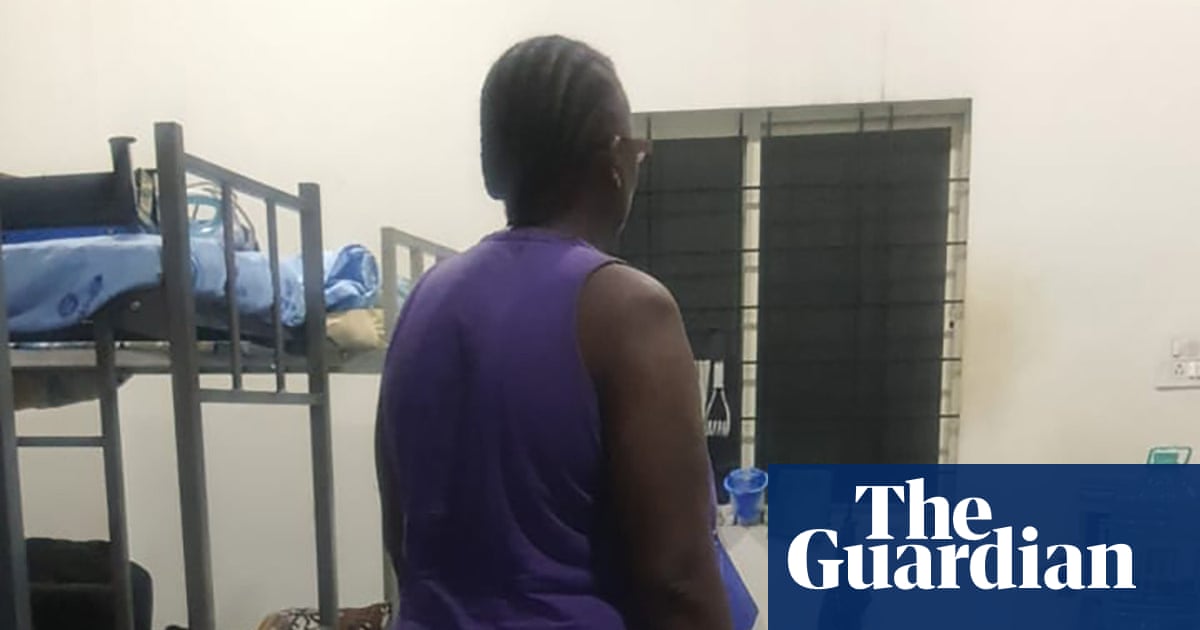
A group of 22 women, including refugees and trafficking victims, are currently held in an immigrant detention centre in India, facing legal limbo and reports of filthy conditions and beatings.
The Impact of Indefinite Detention on Health
The situation for those in custody has drawn attention to the intersection of immigration policy and humanitarian access. According to reports from individuals inside these facilities, the lack of medical continuity is a primary concern. One detainee, a Kenyan mother of four, has reported being without antiretroviral drugs for nine months. She stated that her health has declined, citing symptoms such as swollen and distended legs and collapses from weakness.
The government maintains that these facilities are necessary to ensure the presence of individuals pending deportation, international human rights organizations have frequently criticized the lack of transparency and the indefinite nature of such detentions.
Legal Hurdles and Access to Representation
A central challenge for the women held in these centers is the difficulty of securing legal representation. Many of the detainees report that they were rounded up in raids without access to lawyers. This lack of legal guidance often leaves detainees in a cycle of administrative delays, where they are unable to challenge the legality of their confinement or verify the status of their potential repatriation.

The Supreme Court of India has previously issued guidelines regarding the detention of foreign nationals. In various rulings, the court has emphasized that the right to legal assistance is a fundamental aspect of due process. However, practical implementation remains inconsistent. According to data from the Legal Services Authorities, while state-appointed counsel is theoretically available, many detained foreign nationals face language barriers and a lack of information regarding their right to request a public defender.
Conditions Within Detention Facilities
Detainees have described the conditions within these centers as filthy, alleging beatings. These claims regarding the conditions of detention are difficult to independently verify, as access to these facilities by independent observers is strictly controlled by state authorities.
The United Nations High Commissioner for Refugees (UNHCR) operates in India under a specific mandate to assist asylum seekers and refugees, but their access to detention centers is often subject to government approval. The UN has consistently advocated for the principle that detention of refugees should be a measure of last resort and that alternatives to detention should be prioritized, particularly for vulnerable populations such as trafficking victims.
What Happens Next
The legal status of these women remains tied to the verification of their nationality and the willingness of their home countries to issue travel documents. This process often takes months or years, during which time the detainees remain in administrative limbo. For those with medical conditions, the timeline for release is frequently complicated by their physical inability to travel, creating a paradoxical situation where they are too ill to be deported but remain detained due to their status as “illegal” foreigners.

Advocacy groups are currently pushing for the implementation of a more robust oversight mechanism for immigration detention centers in India. They are calling for regular, independent inspections and the mandatory provision of legal aid for all detainees. As of the latest reports, no specific dates have been set for the release or deportation of the individuals currently held, and their legal teams—where they exist—are continuing to file petitions in local high courts to seek bail on humanitarian grounds.
Readers interested in the legal developments surrounding these cases can monitor public records via the official websites of the High Courts in the jurisdictions where these centers are located. We encourage our readers to share their thoughts on this issue in the comments section below as we continue to track updates on this developing situation.