
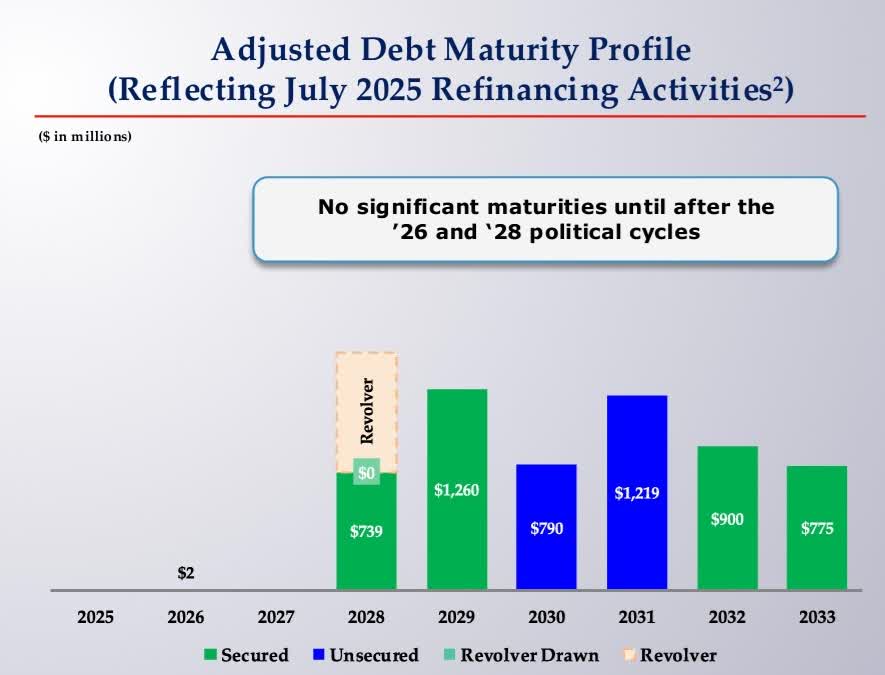
Gray Television, Inc. has successfully closed a private offering of $700 million in aggregate principal amount of 7.500% senior secured notes due 2029, according to an official company statement released on June 18, 2024. The media conglomerate, which operates one of the largest portfolios of local television stations in the United States, utilized a portion of the net proceeds from this debt issuance to fund the repurchase of a significant volume of its existing common stock.
This financial maneuver serves as a strategic effort to manage the company’s capital structure while addressing investor concerns regarding its long-term leverage. As of the most recent quarterly reports filed with the U.S. Securities and Exchange Commission (SEC), Gray Television reported a substantial debt load, a common characteristic for firms in the capital-intensive broadcasting sector. Maintaining a balanced debt-to-equity ratio remains a primary focus for management as they navigate the shifting landscape of local news and digital advertising revenue.
Strategic Debt Management and Capital Allocation
The decision to issue new senior secured notes at a 7.500% interest rate reflects current market conditions for corporate debt. By securing this capital, Gray Television effectively refinanced portions of its obligations, providing the firm with greater liquidity to pursue operational goals. According to the company’s Form 10-Q filing for the period ending March 31, 2024, the organization continues to prioritize the reduction of net leverage over time, even as it engages in share repurchase programs.

Share repurchases—or buybacks—are frequently utilized by publicly traded companies to signal confidence in their own future performance and to return value to shareholders. When a company like Gray chooses to repurchase its own equity, it reduces the total number of shares outstanding, which can increase earnings per share. However, this must be balanced against the interest costs associated with the newly issued $700 million in debt.
Understanding the Impact on Local Broadcasting
Gray Television, headquartered in Atlanta, Georgia, maintains a footprint that spans over 110 television markets. Its business model relies heavily on retransmission consent fees and local advertising sales. The company’s ability to manage its balance sheet is intrinsically linked to its capacity to invest in local news production and technological infrastructure. Investors closely monitor the company’s “net leverage ratio”—a metric that compares total debt minus cash against earnings before interest, taxes, depreciation, and amortization (EBITDA)—to gauge the health of the business.

The broadcasting industry has faced headwinds in recent years, including the cord-cutting phenomenon that affects cable-based retransmission revenue and the volatility of political advertising cycles. Despite these pressures, Gray has consistently sought to optimize its debt maturity schedule. By pushing out debt obligations through 2029, the firm effectively reduces the immediate pressure to repay principal, allowing for more flexibility in its annual operating budget.
Market Context and Future Outlook
The financial markets have reacted to the interplay between Gray’s debt-heavy balance sheet and its aggressive growth strategy. Analysts often point to the company’s history of acquisitions as the primary driver of its current debt level, noting that the integration of purchased stations is a long-term process. According to data provided in the company’s first-quarter 2024 investor presentation, the management team has set clear targets for deleveraging, aiming to bring their net leverage ratio down through a combination of debt repayment and organic cash flow generation.

For shareholders and observers, the next major update regarding the company’s financial trajectory will arrive with the publication of its second-quarter earnings report. These filings, mandated by the SEC, provide the most granular detail on how the $700 million debt issuance and the subsequent share repurchases have altered the company’s overall financial position. As Gray Television continues to operate in a high-interest-rate environment, the effectiveness of these capital allocation strategies will remain a critical point of interest for institutional investors and industry analysts alike.
The company has not provided a specific date for its next quarterly earnings call, though historical patterns suggest it will occur in early August 2024. Interested parties can monitor the Gray Television Investor Relations portal for official announcements, SEC filings, and future debt maturity updates. We invite our readers to share their analysis of the broadcasting sector’s current financial climate in the comments section below.