
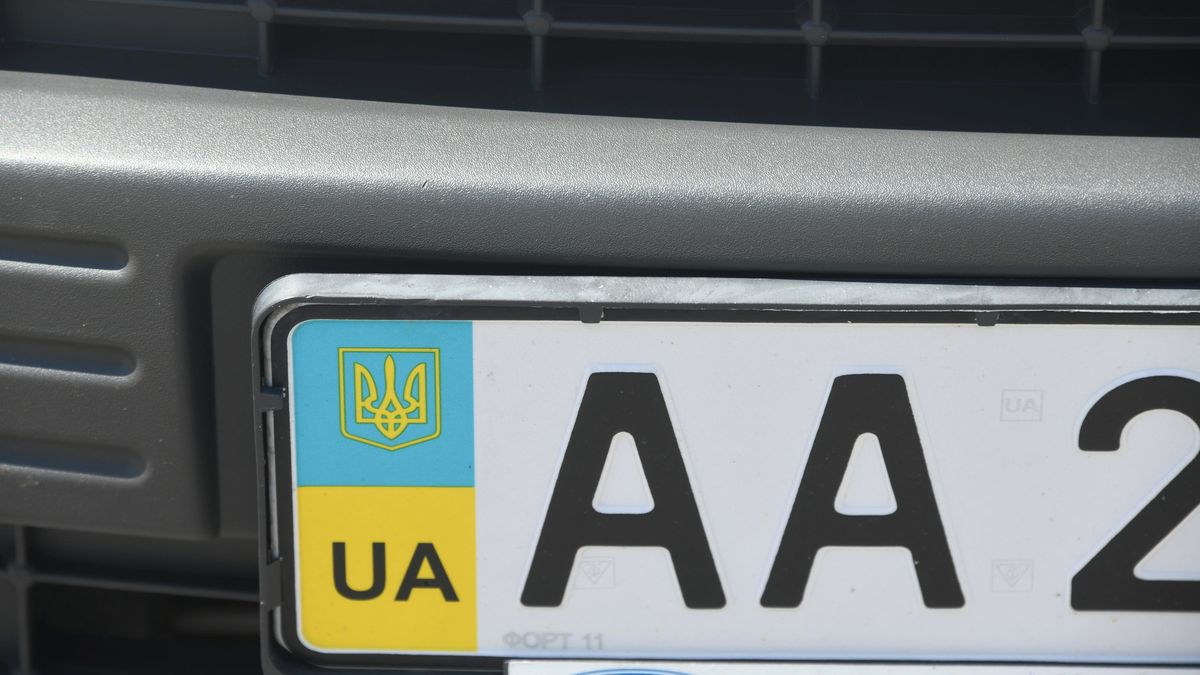
The Czech Republic is moving to end the temporary registration exemptions previously granted to Ukrainian vehicles, as the Ministry of Transport prepares to enforce mandatory entry into the national vehicle register. According to official government data, approximately 29,000 Ukrainian-registered vehicles are currently present in the country, a figure that has prompted authorities to synchronize these drivers with standard Czech traffic regulations. The transition marks a shift from the emergency measures implemented following the 2022 Russian invasion of Ukraine, which saw a significant influx of refugees into the region.
This policy adjustment is designed to ensure that all vehicles operating on Czech roads are subject to the same oversight, technical standards, and insurance requirements. The Ministry of Transport confirmed that while these vehicles have been allowed to operate under special provisions to facilitate the movement of those fleeing the conflict, the need for a unified regulatory framework has become a priority for road safety and administrative transparency. The Czech Ministry of Transport maintains that this registration process is essential for effective traffic management and the enforcement of road traffic laws.
Understanding the Mandatory Registration Requirements
The new mandate requires owners of Ukrainian vehicles who have been in the Czech Republic for more than six months to register their cars within the national system. This move is consistent with broader European Union efforts to harmonize vehicle documentation and insurance standards for non-EU registered vehicles. By integrating these 29,000 vehicles into the database, authorities aim to improve the tracking of traffic violations, including automated speed camera enforcement, which has historically been difficult for foreign-registered vehicles.

For many displaced individuals, the registration process involves navigating specific administrative hurdles, including proof of residency and valid insurance coverage. The government has indicated that the process will be streamlined, but it remains a mandatory step for anyone intending to keep their vehicle in the country long-term. Failure to comply with the registry requirements may result in fines or potential legal restrictions on the vehicle’s operation on Czech territory.
Why the Exemption Period is Concluding
The decision to end the grace period for Ukrainian vehicles is driven by the necessity of managing long-term residency and the associated impact on national infrastructure. Initially, the Czech authorities provided broad leniency to accommodate the immediate needs of refugees. However, as the situation has evolved into a protracted conflict, officials have identified the need to transition these vehicles into the standard regulatory fold to ensure parity with local drivers.

According to the Czech Ministry of the Interior, the registration of vehicles is part of a wider strategy to provide clarity for both the Ukrainian community and local residents. By requiring formal registration, the state can ensure that all vehicles meet technical inspection standards, which are required for roadworthiness in the Czech Republic. This policy shift is not intended to prevent the use of these vehicles, but rather to ensure that their operation is fully compliant with national legal standards.
Impact on Ukrainian Residents and Vehicle Owners
For the estimated 29,000 vehicle owners, this change necessitates a review of their current documentation. Many individuals may need to secure additional insurance policies that satisfy Czech requirements, as some international insurance cards have specific time limitations. The government has advised owners to monitor official portals, such as the Czech Government Portal, for specific instructions regarding the documentation required to complete the transition.

The transition period is expected to be managed over the coming months, allowing owners sufficient time to comply with the new rules. Local administrative offices are preparing for a potential increase in applications as the deadline for registration approaches. It is recommended that vehicle owners verify their specific status regarding residency permits, as these documents are often linked to the vehicle registration process.
Next Steps for Vehicle Compliance
The Ministry of Transport will provide further updates on the specific implementation dates and the exact documentation required for the registration process. Owners are encouraged to consult their local transport office or the official website of the Ministry of Transport for the most recent guidance. As the government continues to refine its approach, clear communication through official channels will remain the primary source of information for affected individuals.

The Czech government continues to monitor the situation, and further adjustments to traffic and residency policies may be announced as the legal framework for Ukrainian refugees is updated. Readers are encouraged to check for official government announcements regularly and to ensure that their vehicle documentation is in order before the enforcement phase begins. We invite our readers to share their questions or experiences regarding these new registration requirements in the comments section below.