
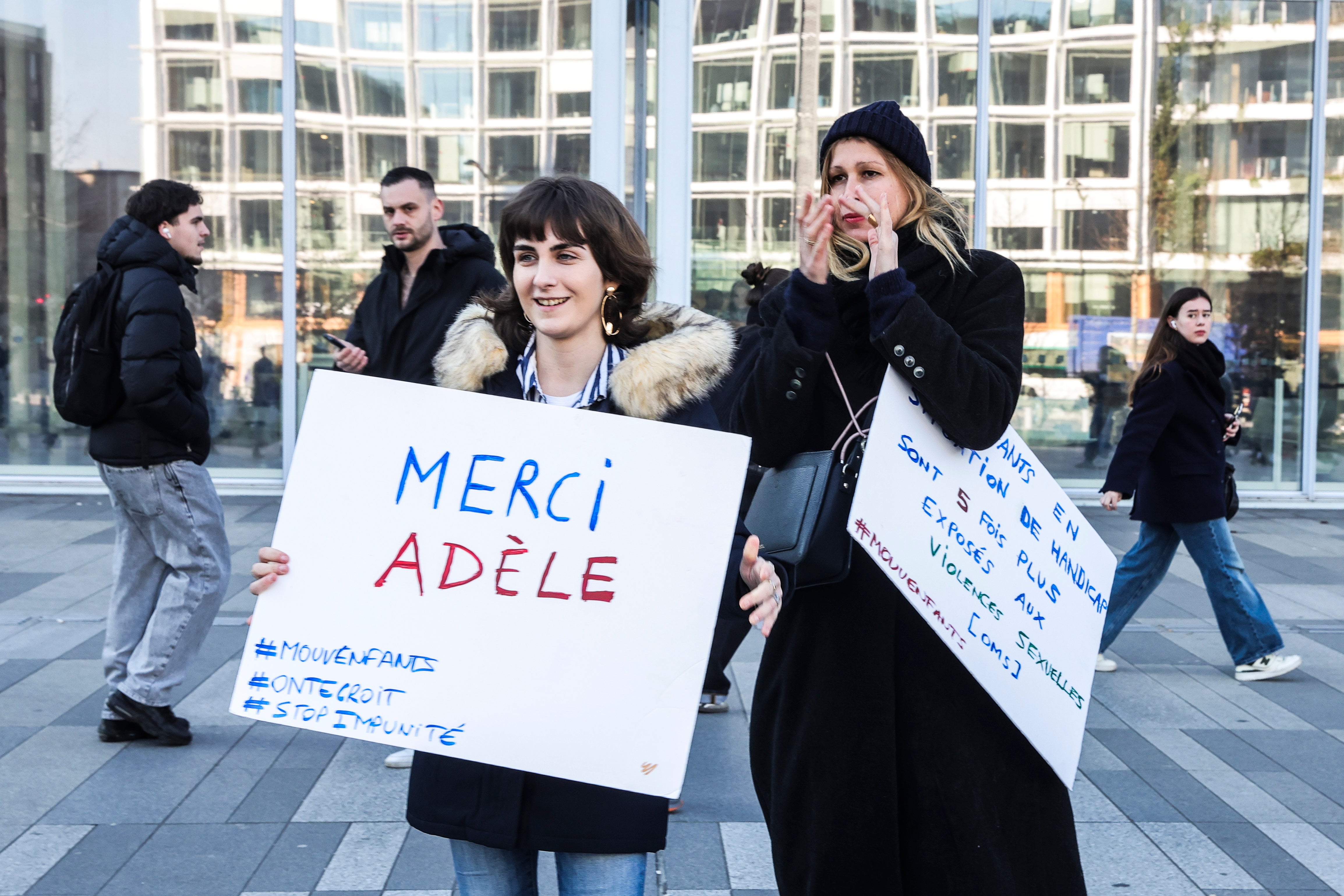
French actress Adèle Haenel has spoken publicly for the first time since a Paris appeals court confirmed the conviction of filmmaker Christophe Ruggia for sexual assault, marking a significant moment in France’s ongoing reckoning with abuse in the film industry. The ruling, which upheld a two-year prison sentence for Ruggia, concluded a years-long legal battle that began when Haenel first accused him in 2019 of inappropriate behavior during her adolescence even as working on the 2001 film “Les Diables.” Her recent televised interview, in which she expressed relief at the verdict, represents her most detailed public commentary on the case to date.
The confirmation of Ruggia’s sentence has been widely interpreted as a turning point for accountability in French cinema, particularly regarding the treatment of young actors and the prevalence of systemic abuse. Haenel’s decision to speak out initially sparked broader conversations about power dynamics on film sets and led to increased scrutiny of working conditions for minors in the industry. Her continued refusal to return to filmmaking, citing the sector’s entrenched sexism and racism, underscores the personal and professional costs she has borne as a result of her allegations.
According to verified reports from French judicial sources, the Paris appeals court ruled in March 2024 that Ruggia must serve two years of his five-year sentence in prison, with the remainder suspended. The court found him guilty of sexual assault and harassment against Haenel, who was between the ages of 12 and 15 during the alleged incidents. The judgment emphasized the abuse of authority and the significant age and power imbalance between the director and the minor actress at the time of the events.
Haenel’s recent appearance on French television, where she stated she felt “relieved” by the outcome, was her first televised interview since the case gained public attention. She reiterated her long-standing position that she has no intention of returning to cinema, describing the industry as a space that continues to perpetuate harmful stereotypes and exclusionary practices. Her comments align with previous statements in which she characterized French film as resistant to meaningful reform, particularly in its handling of gender and racial equity.
The case has drawn comparisons to other high-profile accountability efforts in French cultural institutions, including the conviction of actor Gérard Depardieu in 2023 for similar offenses. While Depardieu’s case involved different circumstances and legal proceedings, both have contributed to a broader national dialogue about separating artistic legacy from personal conduct. Legal experts note that the Ruggia verdict may influence how future cases involving minors in creative industries are evaluated, particularly regarding the application of laws protecting young performers.
Beyond the courtroom, Haenel’s stance has inspired advocacy efforts aimed at strengthening safeguards for young actors in France. Organizations such as the French Federation of Film Directors have called for updated protocols on set supervision, mandatory training on child protection, and independent oversight mechanisms for productions involving minors. Though no nationwide legislation has yet been enacted specifically in response to her case, advocacy groups continue to push for reforms that would prevent similar abuses.
Industry responses have been mixed. While some producers and directors have acknowledged the need for change, others have defended the status quo, arguing that artistic freedom should not be compromised by increased regulation. Haenel has rejected such framing, insisting that safety and creativity are not mutually exclusive. Her refusal to engage with projects that do not meet her ethical standards has led to her withdrawal from several high-profile opportunities, a sacrifice she has described as necessary for her integrity.
Internationally, the case has been cited in discussions about the #MeToo movement’s impact in Europe, particularly in countries where legal and cultural barriers to reporting abuse have historically been high. France’s relatively recent adoption of extended statutes of limitations for sexual offenses against minors — which allowed Haenel’s case to proceed despite the passage of time — has been highlighted as a key factor in enabling the prosecution. Legal scholars point to the 2021 law extending the deadline for filing complaints as instrumental in allowing survivors like Haenel to seek justice years after the alleged abuse occurred.
As of now, Notice no scheduled appeals or further legal proceedings in the Ruggia case. The convicted filmmaker has not issued a public statement since the appeals court ruling, and his legal team has not indicated plans to challenge the decision further. Haenel, meanwhile, continues to focus on selective creative work outside mainstream cinema, including theater and documentary projects that align with her values. She has not announced any return to acting in commercial film or television.
The broader implications of the case remain under discussion within French cultural policy circles. Debates continue over how to balance accountability with artistic freedom, and whether existing institutional mechanisms are sufficient to prevent abuse. Advocates argue that lasting change will require not only legal consequences but likewise shifts in hiring practices, funding priorities, and cultural attitudes within the industry.
For those seeking updates on developments related to this case or similar efforts to improve safety in the entertainment industry, official sources such as the French Ministry of Culture and the National Center for Cinema and the Moving Image (CNC) periodically publish reports on workplace safety and diversity initiatives. While no direct link exists between Haenel’s case and specific policy changes, her advocacy has contributed to ongoing conversations about reform.
As France continues to grapple with the legacy of unchecked power in its cultural institutions, voices like Haenel’s serve as a reminder of the importance of speaking out — and the enduring impact such actions can have on shaping safer, more equitable spaces for future generations of artists.
We invite readers to share their thoughts on this important conversation. How do you believe industries can better protect young talent while fostering creative expression? Join the discussion in the comments below and help spread awareness by sharing this article with others who care about accountability and change in the arts.