
For many, the diagnosis of Attention Deficit Hyperactivity Disorder (ADHD) is a moment of clarity, offering a medical explanation for a lifetime of restlessness and executive dysfunction. However, when the line between therapeutic support and chemical dependency blurs, the result can be a devastating cycle of reliance. The growing concern surrounding ADHD medication addiction highlights a critical tension in modern healthcare: the struggle to balance the genuine need for cognitive support with a societal obsession with hyper-productivity.
The story of Jeroen Pen, a 38-year-old writer, serves as a harrowing case study in this phenomenon. Pen’s journey began in early adolescence, when he was first prescribed ADHD medication at the age of 13. What started as a clinical intervention to manage school and focus eventually evolved into a profound dependency. By adulthood, the medication had ceased to be a tool for stability and had instead become the center of his existence, leading to a state where he felt he was no longer using the drugs to work, but rather working simply to justify and maintain his access to the medication.
This trajectory—from a pediatric prescription to adult stimulant misuse—is not an isolated incident. It reflects a broader systemic challenge where the pressure to perform in high-stress environments can drive patients toward higher dosages or off-label use. For Pen, this spiral culminated in a severe psychiatric crisis, including a period where he went ten days without sleep, eventually requiring the intervention of a psychiatrist to break the cycle of addiction.
The Mechanism of Dependency and Stimulant Misuse
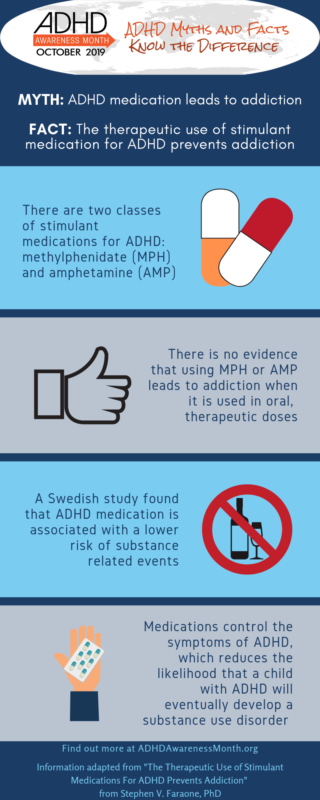
To understand how a prescribed treatment can transition into an addiction, it is necessary to examine the pharmacology of stimulant medications. Most ADHD treatments, such as those based on methylphenidate or amphetamines, work by increasing the levels of dopamine and norepinephrine in the synaptic cleft. While this helps patients with ADHD achieve a baseline of focus and emotional regulation, in higher doses or when misused, these chemicals can trigger the brain’s reward system in a manner similar to illicit stimulants.

The risk of Attention Deficit Hyperactivity Disorder (ADHD) treatment becoming a dependency often occurs when the medication is used as a “performance enhancer” rather than a therapeutic stabilizer. When individuals begin taking medication on weekends or during non-working hours to maintain an artificial level of productivity, they risk developing a tolerance. As the brain adapts to the presence of the drug, the user requires larger doses to achieve the same effect, which can lead to severe insomnia, anxiety, and cardiovascular strain.
In Pen’s experience, the psychological hook was the feeling of being “all-day-very-busy,” a state of hyper-focus that felt indispensable. This creates a dangerous feedback loop: the drug provides a temporary surge in output, which reinforces the belief that the drug is the only reason for the user’s success. Over time, the individual’s self-worth becomes tethered to the chemically induced state of productivity, making the prospect of stopping the medication feel like a loss of identity or capability.
The “Productivity Trap” and Societal Pressure
The rise in stimulant misuse is not merely a medical failure but a cultural one. In an era defined by the “hustle culture” and an increasingly competitive global job market, there is an unspoken expectation for individuals to operate at peak cognitive capacity at all times. This environment transforms medical prescriptions into tools for competitive advantage. When the goal shifts from “functioning normally” to “functioning exceptionally,” the risk of addiction increases exponentially.
Jeroen Pen’s reflection that he “worked to be able to take the pills” encapsulates this paradox. The medication, intended to remove barriers to work, becomes the primary motivation for the work itself. This shift indicates a transition from medical necessity to psychological dependence, where the drug is no longer treating a deficit but is instead fueling an unsustainable lifestyle.
This trend is particularly concerning in professional environments where high-output is rewarded regardless of the personal cost. When stimulants are viewed as “productivity hacks,” the side effects—such as appetite loss, sleep deprivation, and emotional blunting—are often ignored or dismissed as the necessary price of success. However, the long-term neurological cost of this approach can be severe, including potential changes to dopamine receptor sensitivity and an increased risk of depressive episodes upon cessation.
Questioning Early Intervention and Diagnosis
One of the most provocative aspects of Pen’s account is his critique of how ADHD is diagnosed and treated in children. He argues that children are often prescribed medication too quickly, without a sufficiently deep exploration of the underlying causes of their behavior. This raises a vital question in pediatric medicine: are we treating a neurological disorder, or are we medicating children to fit into a rigid, outdated educational system?
While medication is life-changing for many, the concern is that over-diagnosis can lead to lifelong dependencies. If a child is placed on stimulants before their brain has fully developed its own coping mechanisms for focus and frustration, they may grow into adults who view medication as the only way to navigate the world. This early introduction to potent stimulants can set a precedent for how the individual handles stress and productivity throughout their adult life.
Medical guidelines generally suggest a multimodal approach to ADHD, combining behavioral therapy, educational support, and medication. However, in practice, the convenience of a pill often outweighs the time-intensive process of behavioral intervention. By prioritizing the “quick fix” of medication over holistic support, the healthcare system may inadvertently be creating a pipeline for future stimulant dependence.
Recognizing the Signs of Stimulant Dependence
For those currently undergoing treatment for ADHD, it is essential to recognize the warning signs that a therapeutic relationship with medication is shifting toward addiction. Dependence is not always marked by a dramatic “crash,” but often manifests as a gradual erosion of natural function.
Key indicators of potential misuse or addiction include:
- Expanded Usage: Taking medication on days or at times not prescribed, such as weekends or holidays, specifically to increase productivity.
- Tolerance Build-up: Feeling that the prescribed dose is no longer effective and desiring a higher dose to achieve the same level of focus.
- Sleep Disruption: Chronic insomnia or a reliance on other substances (such as sedatives or alcohol) to “come down” from the stimulant effect.
- Psychological Tethering: An inability to imagine completing tasks or maintaining professional success without the medication.
- Emotional Instability: Increased irritability, anxiety, or depression when the medication wears off.
If these signs are present, it is imperative to consult a healthcare provider immediately. Attempting to quit high-dose stimulants “cold turkey” can be dangerous and may lead to severe depression or extreme fatigue. A supervised titration process, managed by a psychiatrist, is the safest path toward recovery.
Pathways to Recovery and Sustainable Focus
Recovery from ADHD medication addiction requires more than just the removal of the drug. it requires a fundamental restructuring of how the individual views productivity and self-worth. For Jeroen Pen, the path to recovery involved confronting the reality of his addiction and seeking professional psychiatric help to stabilize his system.

Sustainable focus is built on a foundation of health, not chemistry. This includes:
- Sleep Hygiene: Restoring the brain’s natural circadian rhythm, which is often destroyed by long-term stimulant use.
- Cognitive Behavioral Therapy (CBT): Learning executive function skills—such as time management and organization—that do not rely on pharmacological stimulation.
- Mindfulness and Regulation: Developing the ability to tolerate boredom and distraction, which are natural parts of the human experience.
- Nutritional Support: Addressing the malnutrition and weight loss that often accompany long-term stimulant use.
The goal of ADHD treatment should always be the improvement of the patient’s quality of life, not the maximization of their economic output. When the metric of success becomes “how much can I produce” rather than “how healthy am I,” the risk of addiction becomes an inevitability.
For more comprehensive information on the safe use of stimulants and the management of ADHD, the Mayo Clinic provides evidence-based guidelines on balancing medication with behavioral therapy to minimize risks.
The case of Jeroen Pen serves as a necessary warning for patients, parents, and clinicians alike. While ADHD medications are powerful and necessary tools for many, they must be guarded with strict medical oversight and a healthy skepticism of the “productivity at all costs” mentality. True cognitive health is found not in the absence of distraction, but in the ability to manage it without compromising one’s mental or physical well-being.
As the medical community continues to refine the diagnostic criteria for ADHD, the focus must shift toward personalized care that prioritizes the long-term psychological health of the patient over short-term performance gains. The journey from addiction back to stability is difficult, but it is the only way to reclaim a life that is lived for the person, rather than for the pill.
The next critical step for those struggling with stimulant dependence is to seek a comprehensive psychiatric evaluation to determine a safe tapering schedule. We encourage readers to share their experiences with ADHD treatment and productivity pressure in the comments below to help foster a more transparent conversation about mental health in the workplace.