
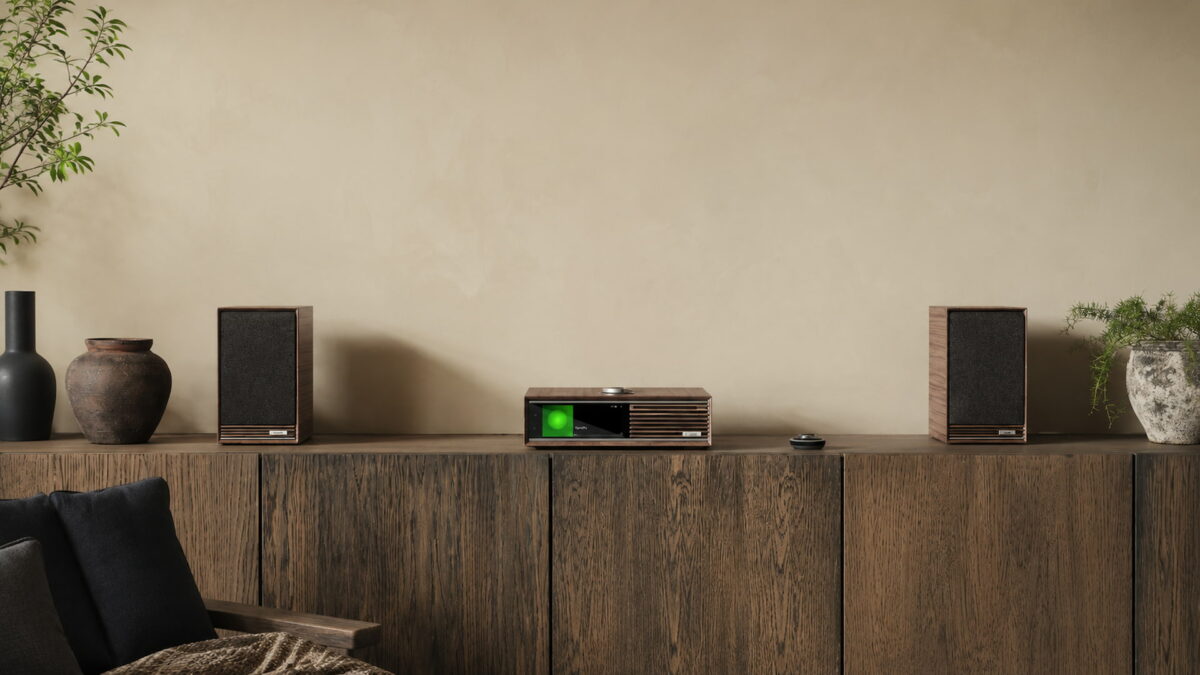
Modern high-fidelity audio systems are shifting away from traditional, cable-heavy component setups toward minimalist, wireless, and integrated designs. This transition reflects a broader consumer preference for “lifestyle audio”—systems that prioritize aesthetic integration into home decor without compromising the acoustic performance expected of Hi-Fi equipment, according to industry analysis from the Consumer Technology Association (CTA).
The move toward minimalist Hi-Fi is characterized by the adoption of all-in-one active speakers, compact streaming amplifiers, and high-resolution wireless protocols. By eliminating the need for bulky external DACs, separate power amplifiers, and extensive cable runs, manufacturers are targeting users who seek high-end sound quality in smaller living spaces. This shift is supported by improvements in digital signal processing (DSP) and wireless transmission standards, such as WiSA (Wireless Speaker and Audio) and high-bitrate Bluetooth codecs like LDAC and aptX Adaptive, which Qualcomm notes have significantly narrowed the gap between wired and wireless fidelity.
Why Minimalist Hi-Fi is Reshaping Home Audio
The primary driver behind the departure from traditional, multi-component Hi-Fi is the desire for spatial efficiency. For decades, a standard high-end audio chain required a dedicated rack for a turntable, CD player, preamp, power amp, and massive passive speakers. Current trends favor “all-in-one” solutions where amplification is built directly into the loudspeaker cabinet. This design approach, often referred to as active speaker topology, reduces the physical footprint of an audio system by eliminating multiple interconnect cables.
According to market data provided by Statista, the global smart speaker and home audio market has seen consistent growth in the “integrated” category, as consumers increasingly view audio gear as part of their interior design. Minimalist systems often utilize aluminum or sustainable wood finishes, moving away from the industrial, rack-mounted look of the 1990s and early 2000s. The technical trade-off, however, involves the loss of modularity; in an all-in-one system, a user cannot easily upgrade the power amplifier stage or the DAC independently, a common practice among traditional audiophiles.
Technical Standards Enabling Cable-Free Sound
The ability to maintain “Hi-Fi” status without physical speaker wire relies on specific wireless protocols. WiSA technology, for instance, allows for the transmission of up to 8 channels of uncompressed 24-bit/96kHz audio with near-zero latency, as documented in technical specifications provided by the WiSA Association. This standard is increasingly integrated into high-end televisions and active speaker systems, allowing users to create a surround sound or stereo setup without running cables across a room.

Furthermore, the ubiquity of high-resolution streaming services—such as Qobuz, Tidal, and Apple Music—has accelerated the demand for hardware that can process these streams directly. Modern integrated amplifiers now frequently include built-in network streamers, supporting platforms like Roon or AirPlay 2. This software-defined approach allows manufacturers to update the system’s functionality over time, providing a longer product lifecycle despite the hardware being “fixed” in its configuration.
Balancing Aesthetics and Performance
While the minimalist trend is popular, it presents a distinct challenge for traditional audio enthusiasts: the physics of sound. High-performance audio often requires larger cabinets for bass reflex ports and robust power supplies to drive demanding speaker loads. Minimalist designs frequently rely on advanced DSP to compensate for smaller physical enclosures. This electronic correction can produce a frequency response that mimics much larger speakers, though some critics argue that it alters the natural timbre of the original recording.
Industry observers note that the market is bifurcating. One segment continues to prioritize the “separates” philosophy, where every component is isolated to prevent electrical interference. The other segment, which is currently seeing the most rapid growth, prioritizes the “lifestyle” approach. Companies such as KEF, Devialet, and Bang & Olufsen have been at the forefront of this, producing speakers that serve as both furniture and high-performance transducers, as noted in recent product reviews from Sound & Vision.
What Happens Next for Audio Consumers
The next phase in this evolution will likely involve deeper integration with smart home ecosystems. As Matter and other interoperability standards evolve, Hi-Fi systems are expected to become more responsive to voice commands and automated room-correction software. Room correction, which uses microphones to analyze and adjust the audio output based on the specific acoustics of a user’s living room, is becoming a standard feature in even entry-level minimalist systems.

Consumers looking to transition to a minimalist setup should monitor manufacturer announcements regarding firmware support. As these systems rely heavily on software, the longevity of a device is now as much about digital support as it is about build quality. Users should verify that their chosen system supports the streaming platforms they use and offers a robust app for ongoing control. For those who wish to track the latest developments in audio hardware standards, official updates are regularly published by the Audio Engineering Society (AES).
Are you considering a move to a minimalist audio setup, or do you prefer the modularity of traditional components? Share your thoughts in the comments below.