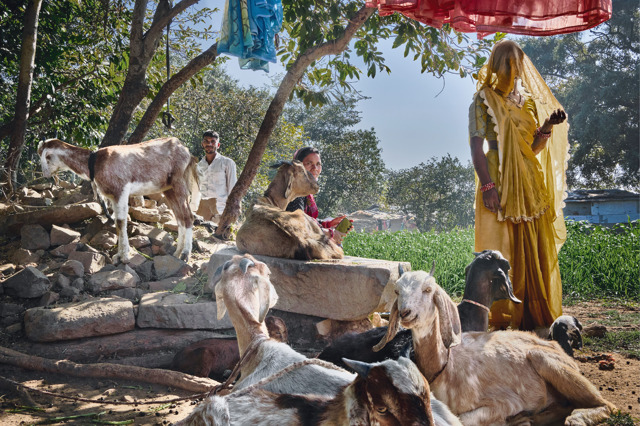
In the quiet, early morning light of the central Indian countryside, the landscape of Madhya Pradesh tells a story of deep-rooted identity and burgeoning political ambition. For the residents of villages like Aali, the land is more than just territory; We see the “heart of India,” a central anchor for a community seeking to redefine its place within the world’s largest democracy.
A significant political shift is underway in India’s tribal heartlands, driven by a movement that seeks more than just representation—it seeks autonomy. At the center of this movement is the aspiration for Bhil Pradesh, a proposed autonomous state designed to unify Indigenous Adivasi communities under a single administrative banner. This movement is no longer a mere grassroots dream; it has transformed into a potent political force that is actively challenging the established order of Indian politics.
The rise of the Bharat Adivasi Party (BAP) has sent ripples through the political structures of central India. Founded in 2023, the BAP has rapidly transitioned from a localized advocacy group to a significant electoral contender, catching both the Bharatiya Janata Party (BJP) and the Indian National Congress off guard. By focusing specifically on the rights and sovereignty of Adivasi communities, particularly the Bhil—one of India’s largest Indigenous groups—the party is carving out a unique and disruptive niche in the national landscape.
The Rise of the Bharat Adivasi Party (BAP)
The political ascent of the BAP has been marked by rapid, decisive electoral successes that signal a growing appetite for identity-based politics among India’s tribal populations. The party’s momentum began to build significantly during the 2023 election cycle. In that year, the BAP secured four seats in the state assembly, a feat that disrupted long-standing political balances in Adivasi-majority regions. These victories were distributed across state lines, with three seats won in Rajasthan and one in Madhya Pradesh.
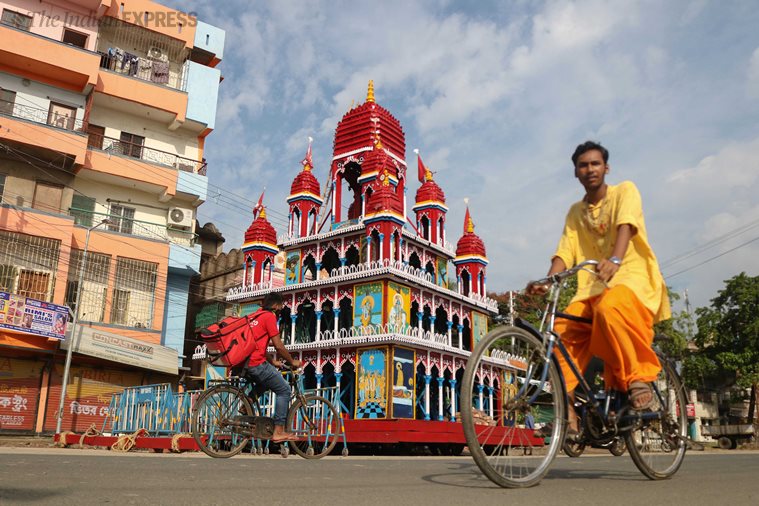
This momentum was not confined to state-level politics. In 2024, the BAP achieved a major milestone by securing a seat in the national parliament, with the election of Rajkumar Roat as a Member of Parliament. This transition from local assembly representation to national parliamentary presence marks a critical evolution in the movement, providing the Adivasi community with a direct voice in the highest legislative halls of the country.
Local leaders are instrumental in maintaining this grassroots connection. Mahesh Rathwasi, a prominent Bhil politician and a representative for his village under the BAP, exemplifies the party’s structure. Having previously served as an elected member of the village council, Rathwasi now uses his platform to organize informal community meetings, listening to the concerns of the Bhil people and translating those local needs into a broader political agenda.
Defining the Vision for Bhil Pradesh
The core objective of the BAP and its supporters is the creation of an autonomous tribal state known as Bhil Pradesh. This proposed state is not merely a reconfiguration of existing borders but a strategic unification of Indigenous interests across several Indian states.
According to the movement’s proponents, Bhil Pradesh would bring together predominantly Indigenous districts currently fragmented across four different states:
- Rajasthan
- Madhya Pradesh
- Gujarat
- Maharashtra
By unifying these districts, the movement aims to consolidate the political and social power of the Bhil and other Indigenous groups. The goal is to create a single administrative entity that can more effectively champion Adivasi rights, manage land resources, and implement policies tailored specifically to the cultural and socio-economic needs of the community. This cross-state vision highlights the trans-regional nature of Indigenous identity in central India, which often transcends the administrative boundaries drawn by the central government.
Challenging the Political Status Quo
For decades, the political landscape of central India has been dominated by a duopoly of the Bharatiya Janata Party (BJP) and the Congress party. The emergence of the BAP represents a significant challenge to this established power dynamic. By mobilizing a demographic that has often felt marginalized or overlooked by mainstream national parties, the BAP is forcing a re-evaluation of how tribal rights are addressed in Indian policy.

The ability of the BAP to win seats in both Rajasthan and Madhya Pradesh suggests that their platform resonates across different state political environments. This suggests that the demand for Adivasi autonomy is not an isolated local grievance but part of a broader, more systemic push for political empowerment among India’s Indigenous populations.
As the BAP continues to expand its influence, the traditional major parties are being forced to respond. The disruption caused by the BAP’s recent electoral wins indicates that the “Adivasi vote” is becoming an increasingly decisive factor in determining political outcomes in central India. The movement’s success has turned what was once a peripheral demand into a central issue in the regional and national political discourse.
Key Takeaways: The Bhil Pradesh Movement
- Political Disruption: The Bharat Adivasi Party (BAP) is successfully challenging the BJP and Congress dominance in tribal regions.
- Electoral Momentum: The BAP secured four state assembly seats in 2023 and gained a national Member of Parliament in 2024.
- The Bhil Pradesh Goal: The movement seeks an autonomous state unifying Indigenous districts from Rajasthan, Madhya Pradesh, Gujarat, and Maharashtra.
- Grassroots Leadership: Local leaders like Mahesh Rathwasi are bridging the gap between village-level concerns and regional political strategy.
The struggle for Bhil Pradesh is a testament to the evolving nature of Indian democracy, where identity-driven movements are increasingly capable of challenging centralized authority. As the BAP continues to grow, the question of how the Indian state will respond to the demand for autonomous tribal governance remains one of the most pressing geopolitical and human rights issues in the region.
Next Checkpoint: Observers will be closely monitoring upcoming local and state-level legislative sessions for any shifts in policy regarding tribal land rights or formal discussions concerning the administrative reorganization of central Indian districts.
What are your thoughts on the rise of identity-based political movements in modern democracies? Share your perspectives in the comments below and share this article with your network.