
Marco Rubio Signals Growing Friction Ahead of Critical NATO Summit
In a series of pointed remarks that have sent ripples through the Atlantic alliance, senior U.S. Official Marco Rubio has signaled that the upcoming NATO summit will be defined by significant disagreements between the Trump administration and the alliance’s current leadership. Rubio, speaking on the eve of the high-stakes gathering, characterized the upcoming discussions as “something we must talk about,” suggesting that the status quo of transatlantic security is no longer tenable for Washington.
The warnings come at a moment of profound geopolitical volatility. The summit follows a period of intense regional instability, specifically the recent conflict in Iran, which has fundamentally reshaped the strategic priorities of both the United States and its European allies. As the world prepares for the summit, the central tension appears to be a growing rift between the American administration’s demands for increased burden-sharing and the alliance’s struggle to synchronize its defense capabilities with a rapidly changing threat landscape.
According to reports regarding the administration’s stance, President Trump has expressed “extreme disappointment” with the current trajectory of NATO. This sentiment, echoed by Rubio, points to a deepening dissatisfaction with how member states are meeting their defense commitments and the perceived lack of decisive action in the face of emerging global crises. The upcoming summit is expected to serve as a crucible for these tensions, determining whether the alliance can maintain its cohesion or if the era of American-led security is facing a structural crisis.
The Burden of Defense: Unprecedented Spending Surges
One of the most significant developments surrounding the summit is the massive escalation in military expenditure across the alliance. Defense analysts have noted that the current surge in budgets represents the largest increase in military spending seen since the height of the Cold War. This rapid expansion of defense outlays is a direct response to a revitalized security environment that has forced many European nations to pivot from peace-time economies to high-readiness military postures.

The drive for increased spending is not merely a matter of domestic policy but a central pillar of the current diplomatic friction. The Trump administration has consistently pushed for member states to meet or exceed the long-standing goal of allocating at least 2% of their GDP to defense. The recent spike in spending, while significant, is viewed by some in Washington as a necessary but overdue correction to decades of perceived underinvestment by European partners.
This fiscal shift is occurring alongside a fundamental change in how defense is being prioritized. This proves no longer just about maintaining existing stockpiles; it is about the rapid procurement of advanced technologies and the replenishment of munitions depleted during recent regional conflicts. The scale of this investment is unprecedented, reflecting a global realization that the era of “peace dividends” has effectively ended, replaced by a period of sustained military competition and readiness requirements.
The Secretary General’s Mandate: A “Weapons Message”
Amidst the political maneuvering in Washington, the NATO Secretary General is expected to deliver what insiders are calling a “weapons message” to the summit’s participants. This critical communication is intended to provide a blunt assessment of the alliance’s current combat readiness and the immediate requirements for military hardware and interoperability.
The message is expected to focus on several key pillars: the replenishment of aging inventories, the standardization of new weapon systems across different national militaries, and the establishment of more resilient supply chains. As the alliance moves toward a more proactive defense posture, the ability of different member states to utilize the same munitions and technology becomes a matter of survival rather than mere convenience.
The Secretary General’s briefing is intended to act as a reality check for political leaders. While the rhetoric of defense spending is often used to satisfy domestic audiences, the “weapons message” seeks to translate those budgetary increases into actual, deployable capability. The core question facing the summit is whether the billions of dollars in new defense commitments will translate into a unified, rapid-response force capable of deterring modern threats.
Geopolitical Aftermath: The Iran Conflict and Strategic Shifts
The shadow of the recent conflict in Iran looms large over the summit proceedings. The instability caused by the war has forced NATO to reconsider its strategic focus, moving beyond the traditional European theater to address the growing influence of Middle Eastern volatility on global security. The conflict has highlighted vulnerabilities in maritime security and energy corridors, areas that are critical to the economic stability of both Europe and the United States.
For NATO, the Iran conflict serves as a stark reminder of the interconnectedness of modern security threats. The spillover effects of the war—ranging from refugee movements to the proliferation of advanced weaponry—have necessitated a more integrated approach to intelligence sharing and rapid deployment. This has, in turn, placed additional pressure on the alliance to demonstrate a unified front, even as internal disagreements over leadership and funding persist.
The administration’s dissatisfaction, as voiced by Rubio, is deeply intertwined with this new reality. There is a growing sense in Washington that NATO’s traditional structures were not designed to handle the multi-domain, multi-regional complexities of the current era. The summit will likely see intense debates over whether the alliance should expand its operational scope or if such an expansion would overstretch its already strained resources.
Key Takeaways for the Upcoming NATO Summit
- Heightened US-NATO Tension: The Trump administration, via Marco Rubio, has signaled significant dissatisfaction with the current state of the alliance, particularly regarding burden-sharing.
- Historic Defense Spending: Member states are experiencing the largest increase in military expenditure since the Cold War, driven by the need for rapid modernization.
- Focus on Capability: The NATO Secretary General is expected to deliver a critical message regarding the urgent need for weapon standardization and stockpile replenishment.
- Regional Instability: The recent conflict in Iran has fundamentally shifted the strategic landscape, forcing NATO to address broader, multi-regional security threats.
- Readiness vs. Rhetoric: A major theme will be whether increased budgets can be effectively converted into tangible, interoperable military readiness.
A Turning Point for Transatlantic Security
As the summit approaches, the stakes could not be higher. The discussions held in the coming days will determine the future architecture of transatlantic security for the next decade. If the administration’s concerns are met with meaningful, measurable commitments from European allies, the alliance may emerge stronger and more unified. However, if the summit fails to bridge the gap between Washington’s expectations and the allies’ capacities, the risk of a fragmented and weakened NATO becomes a stark reality.
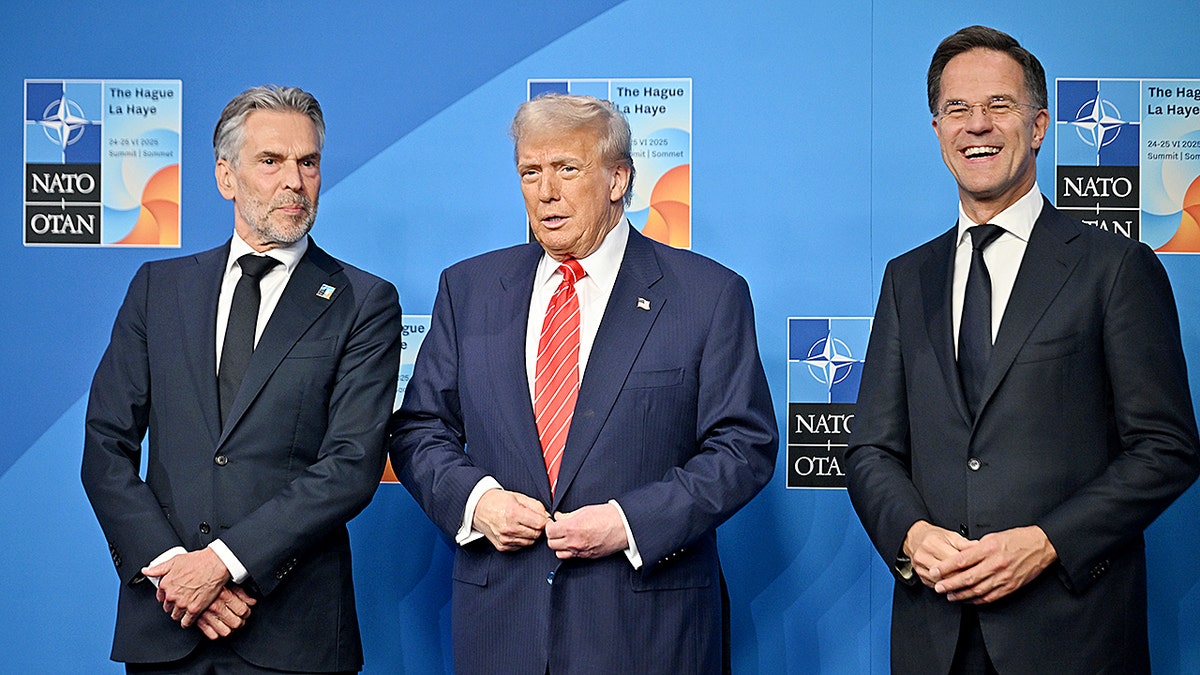
The world is watching to see if the Atlantic alliance can adapt to a more dangerous and unpredictable era, or if the internal frictions currently being signaled by figures like Marco Rubio will lead to a fundamental realignment of global power structures.
Next Scheduled Update: Official opening statements from the NATO Secretary General and the U.S. Delegation are expected at the commencement of the summit. We will provide live coverage as the proceedings unfold.
What do you think about the future of NATO? Should the alliance focus more on regional conflicts or maintain its traditional focus? Share your thoughts in the comments below and share this article to join the conversation.
Related reading