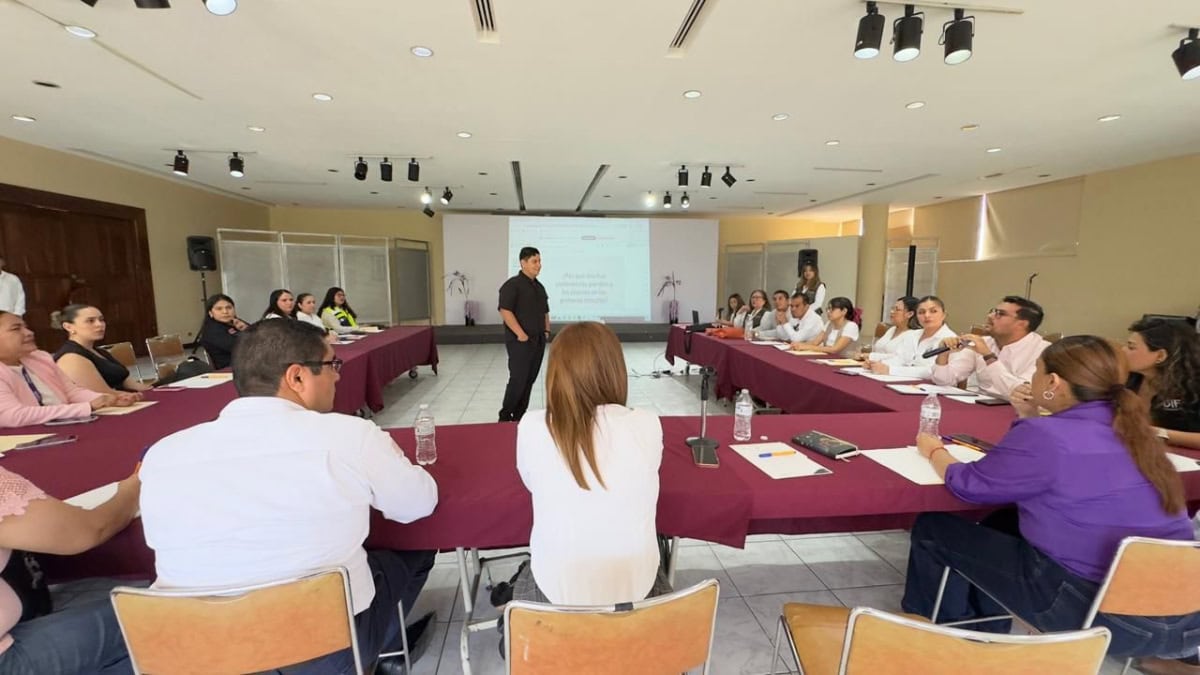
As we navigate the complexities of public health in the 21st century, the focus on reproductive health education remains a cornerstone of sustainable social development. In the Mexican state of Tamaulipas, the State System for the Comprehensive Protection of Children and Adolescents (SIPINNA) has recently convened the second session of the Group for the Prevention of Adolescent Pregnancy (GEPEA). This initiative underscores a concentrated effort to address the multifaceted challenges surrounding teenage pregnancy through institutional collaboration and targeted policy implementation.
The GEPEA serves as a critical mechanism for aligning governmental and civil society efforts. By integrating diverse perspectives—ranging from health authorities to educational experts—the group aims to move beyond broad awareness campaigns toward actionable strategies that provide adolescents with the tools necessary to make informed decisions about their reproductive lives. This work is part of a broader national framework in Mexico, which has long prioritized the reduction of adolescent pregnancy rates as a key indicator of youth well-being and social equity, as outlined in the National Strategy for the Prevention of Adolescent Pregnancy (ENAPREA).
Understanding the Role of Institutional Collaboration
The recent session in Tamaulipas highlights the importance of multisectoral cooperation. Adolescent pregnancy is rarely a result of a single factor; rather, it is influenced by a confluence of socio-economic, educational and cultural variables. By bringing together representatives from various state departments, the GEPEA aims to create a cohesive response that addresses both the immediate health needs of teenagers and the structural barriers that limit their access to comprehensive sexuality education.
For health professionals and policy observers alike, the focus on “prevention” often implies an emphasis on sexual and reproductive health literacy. According to the World Health Organization, empowering adolescents with accurate information regarding contraception and healthy relationships is fundamental to reducing the incidence of unintended pregnancies. In the context of Tamaulipas, the GEPEA’s strategy involves not only the dissemination of medical information but also the promotion of a supportive environment that encourages youth to seek guidance from trusted professionals.
Strategic Priorities for Adolescent Health
The objectives set forth during the second session of the GEPEA reflect a commitment to evidence-based interventions. These priorities typically include:
- Educational Outreach: Enhancing the quality and reach of comprehensive sexuality education programs in schools across the state.
- Accessibility: Ensuring that reproductive health services are youth-friendly, confidential, and free from stigma.
- Community Engagement: Involving families and community leaders in dialogues that foster a healthy understanding of reproductive rights.
These efforts are consistent with the broader mandates of the Convention on the Rights of the Child, which Mexico has ratified. By ensuring that adolescents are recognized as active participants in their own healthcare, the state of Tamaulipas aims to reduce the rates of early pregnancy while simultaneously improving the overall quality of life for its youth population.
Looking Ahead: Implementing Policy Changes
The success of the GEPEA will ultimately be measured by its ability to translate policy discussions into tangible outcomes at the local level. As the committee moves forward, the focus will likely remain on monitoring the efficacy of current programs and adapting strategies to meet the evolving needs of Tamaulipas’s diverse adolescent population. For those tracking these developments, official communication channels from the Government of Tamaulipas provide the most reliable updates regarding future sessions and the implementation of specific public health directives.
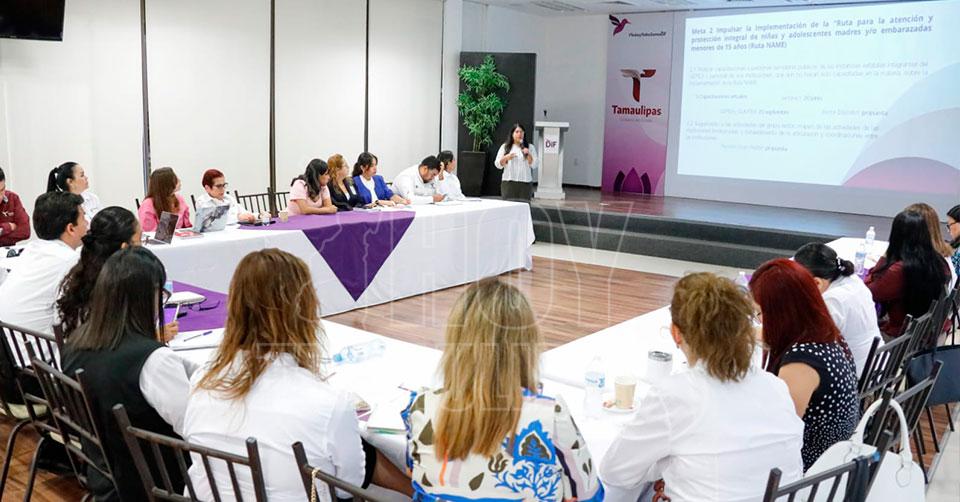
As we continue to observe these developments, the path to reducing adolescent pregnancy requires patience, consistent funding, and a deep respect for the autonomy of young people. The work being done by SIPINNA and its partners is a vital step in this ongoing process. We encourage our readers to stay informed on these issues and to contribute to the local discourse surrounding public health initiatives in their own communities.
Have thoughts or questions on how public health policy impacts youth in your region? We welcome your professional insights and constructive comments below.