
For many adults in their forties, the sensation of being constantly “on” is not just a personality trait or the result of a demanding career—it is a lived reality that sometimes points toward an undiagnosed neurodevelopmental condition. Attention-Deficit/Hyperactivity Disorder (ADHD) is increasingly being identified in individuals during their middle years, often as they attempt to balance the peak pressures of professional life, parenting, and personal responsibilities. According to the National Institute of Mental Health (NIMH), ADHD symptoms can persist from childhood into adulthood, though the presentation often shifts from overt physical restlessness to internal struggles with executive function, organization, and emotional regulation. Understanding ADHD in Adults remains a critical focus for public health, as early diagnosis and management can significantly improve long-term outcomes.
Recognizing Adult ADHD Symptoms
While the stereotypical image of ADHD often centers on the hyperactive child, the clinical reality for adults is frequently more nuanced. As noted by the Centers for Disease Control and Prevention (CDC), adult ADHD is characterized by persistent patterns of inattention and/or hyperactivity-impulsivity that interfere with functioning or development. For those in their forties, this may manifest as chronic difficulty meeting deadlines, a persistent feeling of being overwhelmed, or the “never sitting still” mentality that keeps many from relaxing, even when they have the opportunity. CDC guidelines on ADHD clarify that while symptoms must have been present prior to age 12, many adults remain undiagnosed until the mounting responsibilities of midlife make their coping mechanisms insufficient.
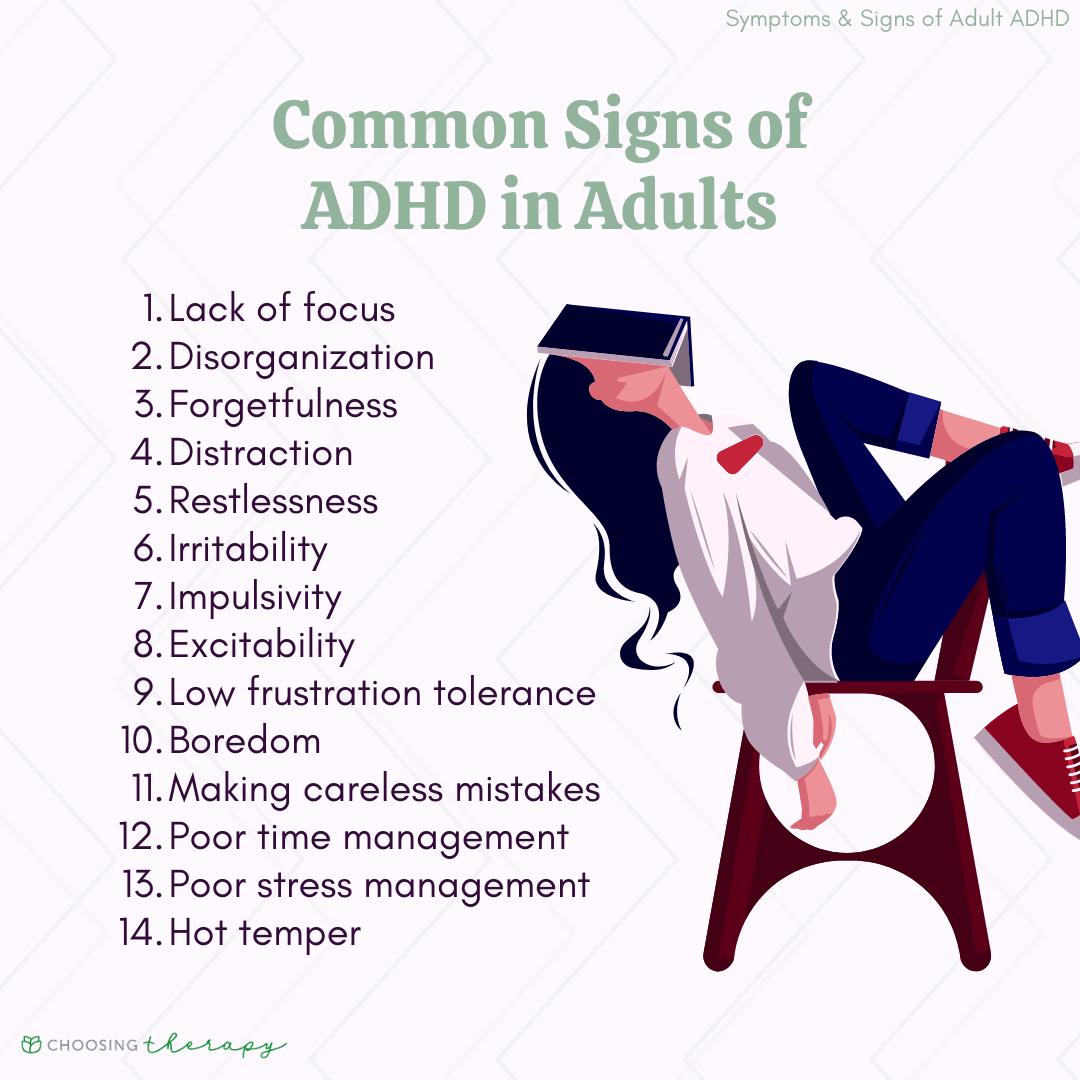
The impact of these symptoms on daily life is substantial. Research published by the American Psychiatric Association in the Diagnostic and Statistical Manual of Mental Disorders (DSM-5-TR) indicates that adults with ADHD may struggle with time management, forgetfulness, and the ability to initiate tasks. These challenges are not merely a lack of discipline; they reflect underlying differences in how the brain manages dopamine and norepinephrine, the neurotransmitters involved in motivation and reward. When a person reaches their forties, these executive function deficits can collide with the increased complexity of managing a household, a career, and aging parents simultaneously.
The Diagnostic Journey in Midlife
Seeking a diagnosis as an adult involves a comprehensive evaluation by a qualified healthcare professional, such as a psychiatrist, psychologist, or primary care physician. There is no single blood test or brain scan that definitively diagnoses ADHD. Instead, clinicians rely on a structured assessment that includes a detailed clinical history, self-report scales, and often input from family members or partners who can provide perspective on the individual’s behavior across different settings. The National Center for Biotechnology Information (NCBI) emphasizes that a thorough evaluation is essential to rule out other conditions—such as anxiety, depression, or sleep disorders—that can mimic or co-occur with ADHD.

For many, the diagnosis comes as a profound relief. It reframes a lifetime of feeling “different” or “lazy” into a medical context that is treatable. Treatment typically involves a multimodal approach, combining medication—such as stimulants or non-stimulants approved by regulatory bodies like the U.S. Food and Drug Administration (FDA)—with behavioral therapies. Cognitive Behavioral Therapy (CBT) has been shown to be particularly effective in helping adults develop practical strategies to manage the organizational hurdles that define their daily lives.
Managing Life with Adult ADHD
Living with ADHD in your forties requires a proactive approach to self-care and environmental structure. For many, the “I never lie on the couch” mindset is a compensatory behavior—a way to stay in motion to avoid the paralysis that can come when the brain is under-stimulated. However, this often leads to burnout. Experts suggest that creating external systems of support is vital. This might include using digital task managers, outsourcing repetitive chores, or working with an ADHD coach who specializes in executive function.
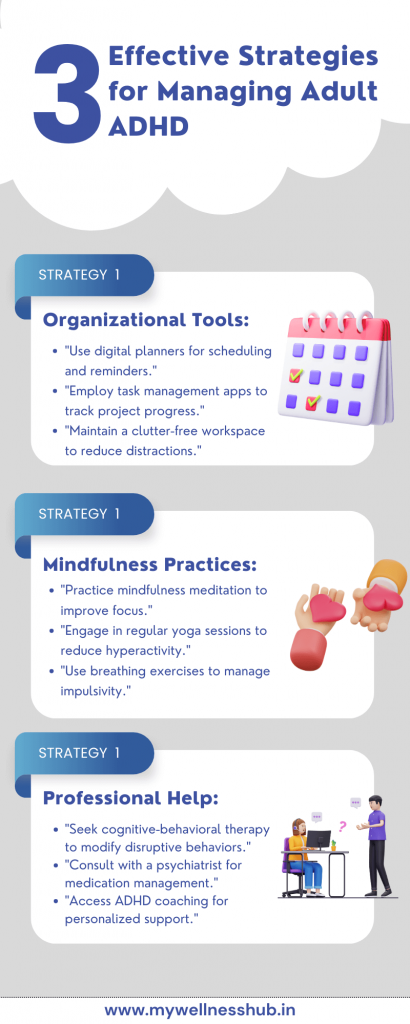
Furthermore, lifestyle modifications can play a supportive role. Regular physical activity, a balanced diet, and prioritizing sleep hygiene are often recommended by the Mayo Clinic as foundational elements of a comprehensive treatment plan. It is important to remember that ADHD is a manageable condition. By seeking professional guidance and building a support network, adults can develop the tools necessary to navigate the complexities of their busiest years with greater ease and self-compassion.
If you suspect you or a loved one may be affected by ADHD, the first step is to consult a healthcare provider for a formal assessment. Official updates on diagnostic criteria and treatment guidelines are published periodically by national health authorities. We encourage our readers to discuss their experiences in the comments section below and share this information with those who might find it helpful. Your engagement helps foster a more informed community regarding adult neurodiversity.
Related reading