
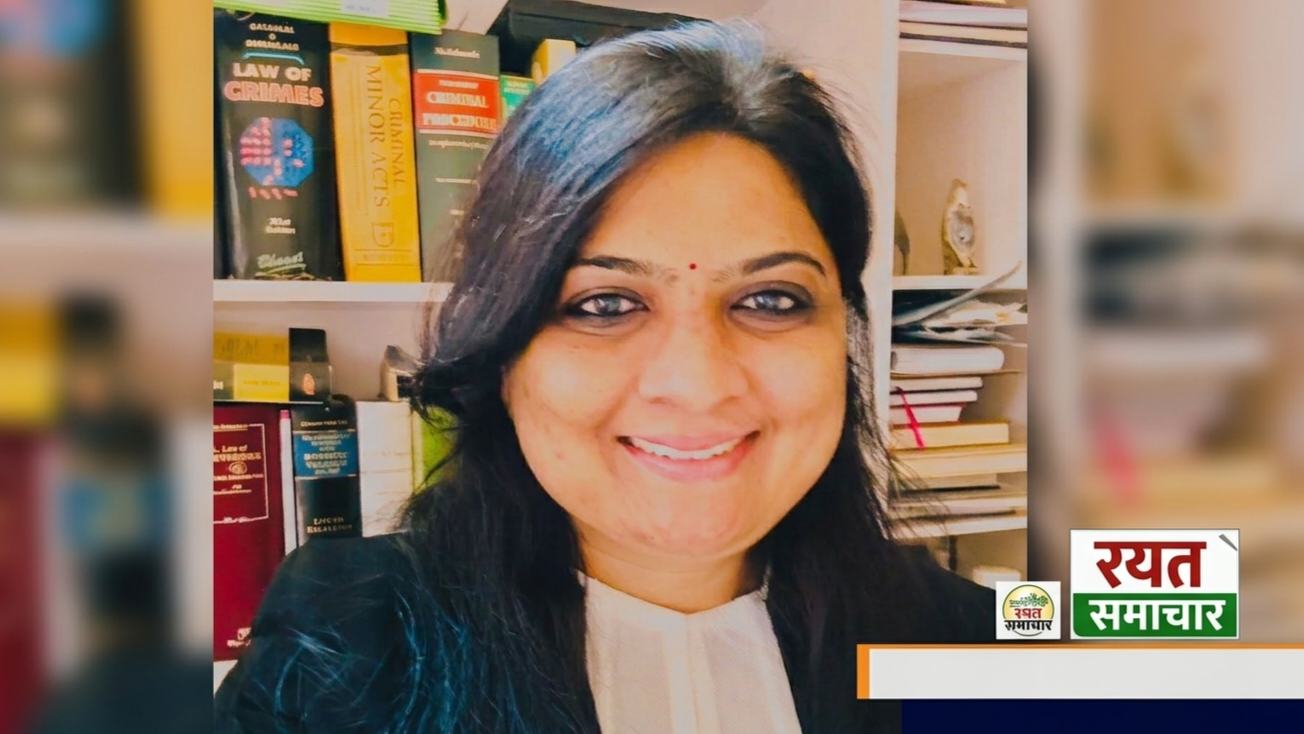
In a significant shift for the legal community in Maharashtra, Adv. Minal Deshmukh has become the first woman to serve as the president of the Sangamner Bar Association. The election marks a historic departure from the traditionally male-dominated leadership structure of the local legal body, signaling a transition toward greater gender inclusivity within the regional judicial administration.
The Sangamner Bar Association, which represents the collective interests of lawyers practicing in the Sangamner region, has historically been led by men. The ascent of Adv. Minal Deshmukh to the presidency is being viewed by local practitioners as a milestone that reflects the evolving role of women in the Indian legal profession, particularly in semi-urban and rural districts where traditional professional hierarchies often persist.
This leadership change comes at a time when the broader Indian legal system is facing increasing scrutiny over gender representation. While women have made substantial gains in law school enrollment, their transition into leadership roles within bar associations and the higher judiciary remains a slower process. The appointment in Sangamner serves as a localized example of the breaking of what is commonly termed the glass ceiling
in the legal field.
The Significance of Leadership in Local Bar Associations
Bar associations in India function as critical intermediaries between the legal practitioners and the judiciary. They are responsible for maintaining professional standards, advocating for the rights of lawyers, and managing the administrative relationship with the local courts. For a woman to lead such an organization for the first time in Sangamner suggests a shift in the internal politics and professional recognition of female advocates in the region.
Leadership within these associations is not merely symbolic; it grants the president a platform to influence local legal policy, mentor junior advocates, and address systemic issues affecting the practice of law. By securing the presidency, Adv. Minal Deshmukh now holds the authority to shape the agenda for the Sangamner legal community, potentially prioritizing issues such as workplace safety for women, equitable access to court resources, and the professional development of female litigants.
Regional reports indicate that the election was met with widespread support from the local legal fraternity, reflecting a growing consensus that merit and leadership capability should supersede gender in the selection of association heads.
Gender Parity in the Indian Legal Landscape
The milestone in Sangamner mirrors a larger, national conversation regarding the representation of women in law. Across India, the disparity between the number of women graduating from law schools and the number of women holding senior positions in the judiciary or bar leadership remains a point of contention. According to data and analyses often cited in discussions regarding the Bar Council of India, women are increasingly entering the profession, yet they remain underrepresented in the higher echelons of power.
The challenges faced by women in regional legal hubs often include limited networking opportunities, societal expectations regarding domestic roles, and a lack of mentorship from senior female practitioners. In many district-level bar associations, the culture has historically been centered around male-centric social and professional circles, which can inadvertently marginalize female lawyers.
The election of Adv. Minal Deshmukh provides a visible counter-narrative to these challenges. When women occupy leadership roles, it creates a “multiplier effect,” where younger female lawyers observe a viable path to the top of their profession. This visibility is crucial for encouraging law graduates in smaller towns to pursue active litigation and leadership roles rather than limiting themselves to corporate or advisory positions.
The Role of the Judiciary in Promoting Equity
While bar associations are independent bodies, the broader judicial environment in Maharashtra and India has begun to emphasize the need for gender diversity. The Supreme Court of India has frequently touched upon the importance of gender equality within the legal framework, recognizing that a diverse bench and bar lead to more comprehensive and equitable justice.
In the lower courts and district bar associations, the impact of a female president can be immediate. From implementing more inclusive bylaws to ensuring that the physical infrastructure of the court complex is accessible and safe for women, the administrative priorities of a female leader often address gaps that may have been overlooked by previous administrations.
Impact on Aspiring Female Practitioners in Sangamner
For the aspiring lawyers of Sangamner and surrounding areas, the presidency of Adv. Minal Deshmukh serves as a professional blueprint. The legal profession in India is often characterized by a rigorous apprenticeship model where junior lawyers learn from the habits and networks of their seniors. Having a woman at the helm of the Bar Association changes the dynamics of this mentorship.

- Mentorship Opportunities: Junior female advocates now have a direct line to a leader who has navigated the specific challenges of being a woman in a regional legal environment.
- Institutional Validation: The election validates the professional standing of women lawyers, signaling to clients and the court that female advocates are equally capable of leading the legal community.
- Policy Influence: There is now an opportunity to introduce initiatives specifically aimed at supporting women practitioners, such as childcare facilities or specialized legal aid clinics for women.
The transition of power in the Sangamner Bar Association is not an isolated event but part of a gradual trend across Maharashtra’s district courts. As more women move from the periphery of legal practice to the center of institutional power, the culture of the bar is likely to become more inclusive and reflective of the society it serves.
Looking Ahead: The Future of the Sangamner Bar
As Adv. Minal Deshmukh begins her tenure, the focus will likely shift toward the implementation of her vision for the association. The legal community will be watching to see how this leadership change translates into tangible improvements for the members of the bar and the quality of legal services provided to the public in Sangamner.
The success of this presidency will likely be measured by the association’s ability to maintain professional harmony while introducing necessary reforms. If the tenure is marked by efficiency and inclusivity, it will set a precedent that makes the election of future female leaders a matter of course rather than a historic anomaly.
The next confirmed checkpoint for the association will be its upcoming general body meetings and the introduction of the annual administrative agenda, where the priorities for the current term will be formally outlined.
World Today Journal encourages readers to share their thoughts on gender representation in professional associations in the comments section below.