
Indonesia is confronting a structural energy imbalance that has left the nation heavily reliant on foreign energy sources to power its kitchens and small businesses. The scale of this dependency has reached a critical juncture, with the country importing approximately 7 million tons of liquefied petroleum gas (LPG) annually to meet domestic demand.
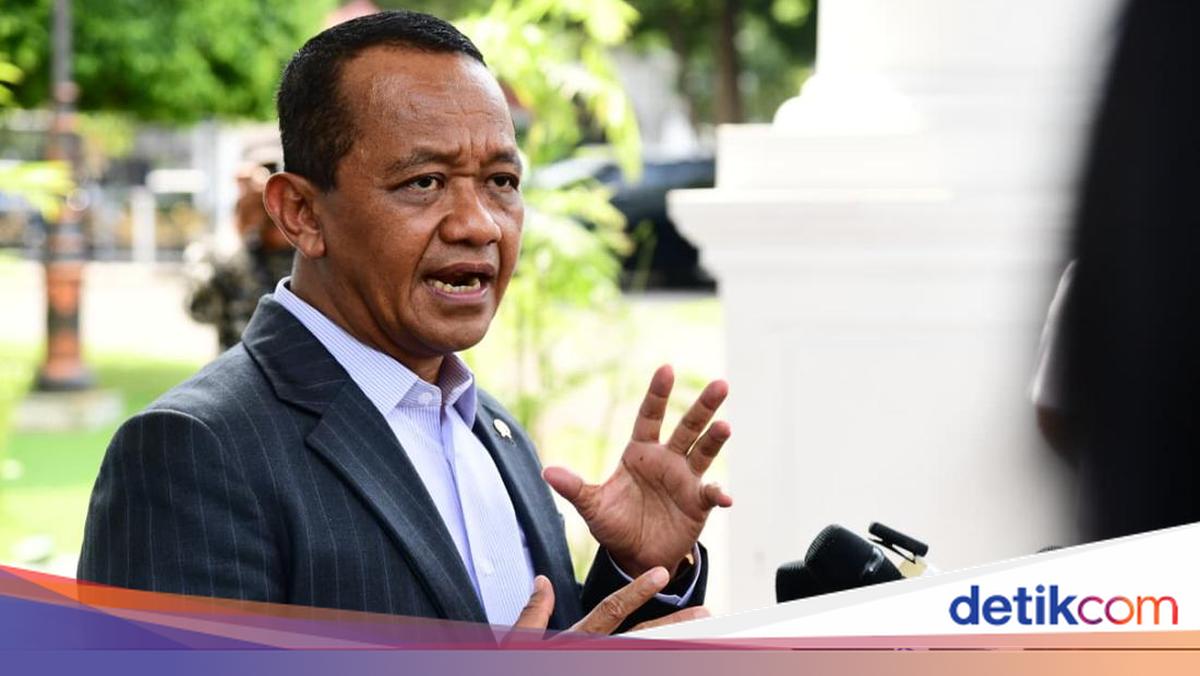
In a high-level meeting with President Prabowo Subianto on Monday, April 27, 2026, Minister of Energy and Mineral Resources (ESDM) Bahlil Lahadalia detailed the government’s urgent strategy to pivot toward domestic alternatives. The move is designed to shield the national economy from the volatility of global energy supply chains and geopolitical tensions, particularly those impacting the Middle East.
The centerpiece of this strategy is the development of Compressed Natural Gas (CNG) as a viable substitute for the widely used 3kg LPG cylinders. By leveraging abundant domestic gas resources, the administration aims to reduce the fiscal burden of subsidies and enhance national energy security.
The LPG Import Crisis: A Structural Burden
The reliance on imported LPG is not a new phenomenon, but the volume has surged as domestic consumption outpaces local production. Recent data indicates that Indonesia’s LPG import dependence climbed to 83.97% in early 2026 according to reporting by Suara. This trend represents a significant escalation from previous years, creating a vulnerability in the national energy grid.
Minister Bahlil highlighted that the annual import volume of 7 million tons creates a persistent drain on foreign exchange reserves and leaves the country susceptible to price shocks. While the government has inaugurated new processing plants to boost local capacity, these additions have provided only marginal relief against the massive scale of domestic demand as noted by the Indonesia Business Post.
The geopolitical risk is further amplified by the sourcing of these imports. A significant portion of Indonesia’s LPG—approximately 70%—has been sourced from the United States, meaning any shift in U.S. Export policy or global shipping disruptions could immediately impact the availability of cooking gas for millions of Indonesians per reports from the Jakarta Globe.
CNG and DME: The Path to Energy Independence
To break this cycle of dependency, Minister Bahlil has proposed a shift toward Compressed Natural Gas (CNG) and Dimethyl Ether (DME). Unlike LPG, which relies on specific feedstock that Indonesia lacks in sufficient quantity, CNG utilizes domestic gas components—specifically C1 and C2—which are abundant within the archipelago.
CNG has significant potential because domestic gas resources are more abundant than LPG feedstock.Bahlil Lahadalia, Minister of Energy and Mineral Resources
The transition to CNG is not without technical challenges. Because CNG is compressed at much higher pressures—typically between 250 and 400 bar—it requires specialized high-pressure equipment and infrastructure to be safely distributed and used in households according to IDN Times. However, the government views this infrastructure investment as a necessary trade-off for long-term energy sovereignty.
Alongside CNG, the government is exploring coal-based Dimethyl Ether (DME). This chemical compound can serve as a direct substitute for LPG in cooking stoves, allowing Indonesia to utilize its vast coal reserves to produce a gas-like fuel, further diversifying the energy mix as reported by Tempo.
Why This Shift Matters for the Global Market
From a macroeconomic perspective, Indonesia’s move to reduce LPG imports is a strategic play to stabilize the Rupiah and reduce the national budget deficit. The subsidies for 3kg LPG cylinders are a massive expenditure for the Indonesian state. by switching to a cheaper, domestically produced alternative like CNG, the government can redirect those funds toward other infrastructure or social programs.
the shift signals a broader trend among emerging economies to prioritize “energy sovereignty” over “energy security.” While security focuses on having a reliable supply (even if imported), sovereignty focuses on the ability to produce that energy within one’s own borders, removing the leverage of foreign suppliers and the risks of maritime trade disruptions.
Strategic Implementation and Next Steps
The transition will not happen overnight. Minister Bahlil confirmed that the development of the CNG framework is currently under discussion and is being finalized to ensure a smooth rollout. The government is focusing on a phased approach, likely starting with industrial users and specific regional clusters before a wider national rollout to the 3kg cylinder market.
President Prabowo Subianto has emphasized the demand for stability in the midst of global geopolitical volatility. The administration’s goal is to ensure that fuel and crude oil stocks remain above minimum national standards, providing a buffer while the structural shift to CNG and DME takes place according to ANTARA News.
| Feature | LPG (Current) | CNG (Proposed) |
|---|---|---|
| Primary Source | Heavily Imported (approx. 70% from US) | Domestic Natural Gas (C1, C2) |
| Import Dependence | ~83.97% (as of early 2026) | Low (Domestic Production) |
| Infrastructure | Standard Cylinders/Regulators | High-Pressure Equipment (250-400 bar) |
| Economic Impact | High Budget Subsidy / Forex Drain | Potential for Lower Cost / Energy Sovereignty |
For consumers, the transition may eventually lead to more stable pricing. Minister Bahlil has suggested that these alternatives could potentially be cheaper than the current LPG imports, although the final cost will depend on the efficiency of the new distribution infrastructure.
The next critical checkpoint for this initiative will be the finalization of the CNG implementation roadmap, which the Ministry of Energy and Mineral Resources is expected to present following its current deliberation phase. This roadmap will detail the timeline for infrastructure deployment and the transition plan for the millions of households currently relying on subsidized LPG.
We invite our readers to share their thoughts on Indonesia’s energy transition in the comments below. Do you believe domestic alternatives can fully replace the convenience of LPG? Share this article with your network to join the conversation on global energy security.