
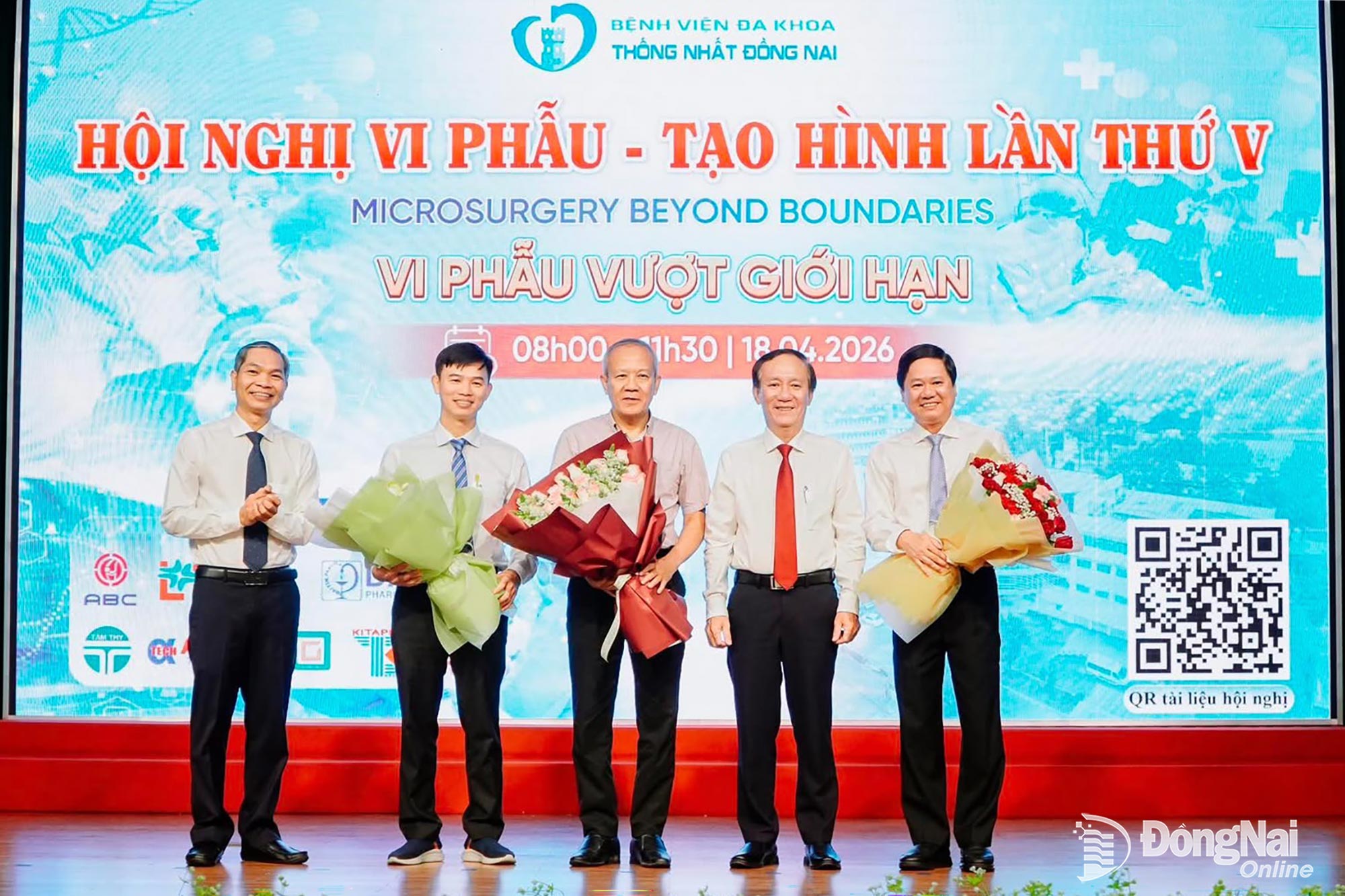
In a significant gathering of medical experts, Tongnat General Hospital in Vietnam recently hosted an academic conference focused on microsurgery and plastic surgery, drawing attention to advances in trauma treatment, cancer reconstruction and limb rehabilitation. The event brought together surgeons, researchers, and healthcare professionals to discuss the evolving role of microsurgical techniques in complex reconstructive procedures. Such conferences play a vital role in disseminating clinical innovations and fostering international collaboration in specialized surgical fields.
Microsurgery, which involves operating on minute structures like blood vessels and nerves using specialized microscopes and precision instruments, has become increasingly critical in modern reconstructive surgery. Its applications are particularly notable in cases requiring tissue transfer after tumor removal, severe trauma, or congenital defects. By enabling surgeons to reattach tiny vessels and nerves, microsurgery improves the viability of transplanted tissues, leading to better functional and aesthetic outcomes for patients undergoing limb salvage, breast reconstruction, or facial reanimation.
The conference at Tongnat General Hospital highlighted recent scientific reports emphasizing microsurgery’s impact in post-cancer reconstructive surgery, especially following head and neck or breast malignancies. Experts presented data showing how free tissue transfer — a microsurgical technique where tissue is moved from one part of the body to another with its blood supply reconnected microscopically — has improved recovery rates and reduced complications in oncologic patients. These approaches are now considered standard in many comprehensive cancer centers aiming to restore both form and function after ablative surgery.
Discussions too centered on microsurgical applications in limb rehabilitation, particularly in cases of traumatic injury where nerves or blood vessels have been severed. Reconstructive microsurgery allows for nerve grafts, vascular repairs, and muscle transfers that can restore sensation and motor function in damaged limbs. Specialists noted that timely intervention, often within hours of injury, significantly increases the chances of successful recovery, underscoring the importance of trauma systems equipped with microsurgical capabilities.
Beyond clinical applications, the conference addressed training and infrastructure needs for expanding microsurgical expertise in regional hospitals. Speakers emphasized that whereas microsurgery offers transformative benefits, it requires substantial investment in operating microscopes, specialized instruments, and surgeon education. Programs combining didactic training with hands-on cadaver labs and supervised clinical experience were highlighted as effective models for building surgical capacity, particularly in low-resource settings aiming to adopt advanced reconstructive techniques.
International collaboration emerged as a recurring theme, with several presentations referencing joint research initiatives between Vietnamese medical institutions and partners in South Korea, Japan, and Europe. These partnerships have facilitated knowledge exchange, joint publications, and training fellowships aimed at elevating microsurgical standards across Southeast Asia. Such cooperation is increasingly seen as essential for spreading best practices and ensuring equitable access to advanced surgical care.
The event also featured live demonstrations and video presentations of complex microsurgical cases, including bilateral hand replantation and scalp reconstruction following avulsion injuries. While specific patient details were not disclosed to protect privacy, the surgical teams emphasized the multidisciplinary nature of these operations, involving anesthesiologists, nurses, and rehabilitation specialists working in concert with microsurgeons. These case studies illustrated not only technical precision but also the importance of postoperative care in achieving long-term success.
Looking ahead, organizers indicated plans to establish the Tongnat General Hospital microsurgery conference as an annual event, with future editions expected to incorporate emerging technologies such as robotic-assisted microsurgery and intraoperative imaging aids. Though still in early adoption phases, these innovations hold promise for enhancing precision and reducing surgeon fatigue during lengthy microvascular procedures. Ongoing evaluation of their cost-effectiveness and clinical impact will be necessary before widespread implementation.
As microsurgery continues to evolve, its integration into broader reconstructive and rehabilitative strategies remains a key focus for surgical communities worldwide. Conferences like the one held at Tongnat General Hospital serve as critical platforms for sharing evidence-based advances, identifying challenges, and shaping the future of specialized surgical care. By combining technical excellence with collaborative learning, such events contribute to improved patient outcomes across diverse clinical scenarios.
For medical professionals seeking updates on microsurgical techniques and reconstructive surgery guidelines, authoritative resources are available through organizations such as the World Federation of Microsurgery Societies and the American Society of Plastic Surgeons, which provide peer-reviewed journals, educational materials, and announcements of upcoming conferences and training opportunities.
The next scheduled academic activity related to microsurgery at Tongnat General Hospital has not been publicly announced as of this writing. Readers interested in future developments are encouraged to consult the hospital’s official communications channels or affiliated medical society bulletins for verified announcements regarding dates, themes, and registration details for upcoming events.
If you found this overview informative, please consider sharing it with colleagues or leaving a comment below to join the conversation on advances in reconstructive microsurgery and its global impact on patient care.