Escalating Tensions: Afghanistan Launches Retaliatory Strikes Against Pakistan
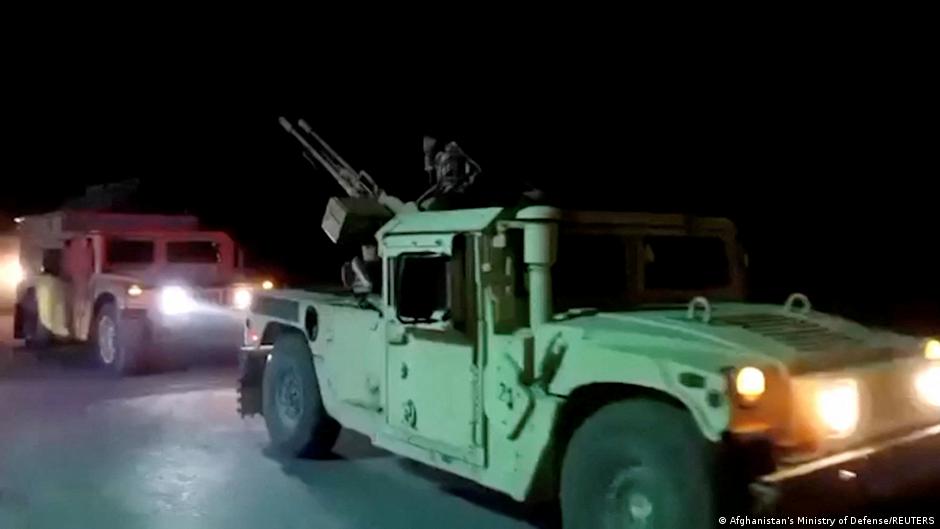
Cross-border violence has dramatically escalated between Afghanistan and Pakistan, with Afghanistan launching military operations against Pakistani troops on Thursday, February 26, 2026. The attacks, confirmed by both Afghan and Pakistani authorities, represent a significant deterioration in already strained relations between the neighboring nations. This latest outbreak of hostilities follows Pakistani airstrikes over the weekend that reportedly killed at least 13 civilians in Afghanistan, prompting the retaliatory actions. The United Nations has urgently called for dialogue to de-escalate the situation and protect civilians caught in the crossfire.
The current crisis stems from a long-standing dispute over border security and accusations of harboring militant groups. Pakistan alleges that Afghanistan is failing to adequately address the threat posed by militants operating within its borders who launch attacks on Pakistani territory. The Taliban-led government in Afghanistan vehemently denies these accusations, claiming that Pakistani military actions violate Afghan sovereignty. This cycle of accusation and retaliation has created a volatile environment, raising concerns about a wider conflict and further destabilizing the region. The situation is particularly concerning given the already fragile humanitarian situation within Afghanistan and the potential for increased displacement and suffering.
According to a statement released on the social media platform X by Zabihullah Mujahid, the Taliban government’s spokesperson, the Afghan operations were launched in response to “repeated violations” by the Pakistani army. Mujahid stated that the offensive targeted military bases and installations within Pakistan. Pakistan’s Ministry of Information responded via X, asserting that the Afghan actions met with an “immediate and effective” response. While details regarding the extent of the damage and casualties remain unclear, the exchange of fire underscores the severity of the escalating conflict. The UN Mission in Afghanistan (UNAMA) reported 70 civilian deaths and 478 injuries in Afghanistan during the last three months of 2025, highlighting the ongoing human cost of the conflict. UN Human Rights Chief Volker Türk has condemned the increasing violence and called for urgent political dialogue.
Pakistani Airstrikes and Afghan Response
The immediate trigger for the recent escalation was a series of Pakistani airstrikes conducted on Saturday and Sunday, February 22nd and 23rd, 2026, in the Afghan provinces of Nangarhar and Paktika. These strikes reportedly resulted in the deaths of at least 13 civilians, according to UNAMA. The Pakistani government has not officially confirmed the number of civilian casualties, but maintains that the strikes targeted militant hideouts. The Afghan government condemned the airstrikes as a violation of its sovereignty and a deliberate targeting of civilians. The retaliatory attacks launched by Afghanistan on Thursday were described as “large-scale offensive operations” against Pakistani military targets, according to Mujahid’s statement.
The Pakistani military has not yet released a comprehensive statement detailing the extent of the damage or casualties sustained during the Afghan attacks. Yet, the Ministry of Information’s statement indicated a swift and forceful response. The operation launched by Pakistan, dubbed “Ira de la Verdad” (Truth’s Wrath), is reported to have caused the deaths of more than 130 alleged Taliban members, according to Pakistani Information Minister Ataulá Tarar. He similarly indicated that further casualties were expected in Kabul, Paktia and Kandahar. Reports from Spanish news outlet Democrata suggest that the scale of the conflict is significant, with both sides claiming to have inflicted substantial damage on the other.
A History of Border Disputes and Accusations
The current conflict is not an isolated incident but rather the latest manifestation of a long-standing and complex relationship between Afghanistan and Pakistan. Border disputes have plagued the two countries for decades, fueled by differing interpretations of the Durand Line, the internationally recognized but contested border between them. Pakistan accuses Afghanistan of providing safe haven to groups like the Tehrik-i-Taliban Pakistan (TTP), a militant organization responsible for numerous attacks within Pakistan. Afghanistan, in turn, accuses Pakistan of supporting the Taliban and interfering in its internal affairs.
Tensions escalated significantly in October 2025, with clashes resulting in the deaths of dozens of soldiers, civilians, and suspected militants. These confrontations followed explosions in Kabul, which Afghan authorities attributed to Pakistan. As a result of the escalating violence, key border crossings between the two countries remain closed, disrupting trade and hindering the movement of people. The closure of these crossings has exacerbated the already dire economic situation in Afghanistan, which is grappling with a severe humanitarian crisis. The UN has repeatedly warned of the potential for a catastrophic humanitarian situation if the conflict continues to escalate.
International Concerns and Calls for De-escalation
The international community has expressed growing concern over the escalating violence between Afghanistan and Pakistan. UN High Commissioner for Human Rights Volker Türk has appealed for urgent political dialogue, warning that the use of force will only exacerbate the situation. He also condemned the increasingly harsh “apartheid” edicts issued by the Afghan de facto authorities, which continue to severely impact women and girls. Türk’s statement highlights the broader human rights concerns surrounding the Taliban’s rule in Afghanistan, which have drawn widespread international condemnation.
The United Nations has called for restraint from both sides and emphasized the importance of protecting civilians. Other countries, including the United States and China, have also urged Afghanistan and Pakistan to engage in dialogue and resolve their differences peacefully. However, despite these calls for de-escalation, the situation on the ground remains volatile and the prospects for a swift resolution appear dim. The ongoing conflict threatens to further destabilize the region and could have far-reaching consequences for international security. The UN’s Türk has described Afghanistan as “a graveyard for human rights,” pointing to the systemic discrimination and repression faced by women and girls under Taliban rule.
The Impact on Civilians and Regional Stability
The escalating conflict is having a devastating impact on civilians in both Afghanistan and Pakistan. Cross-border shelling and airstrikes have resulted in civilian casualties and displacement, exacerbating the already dire humanitarian situation. The closure of border crossings has disrupted trade and access to essential goods, further compounding the suffering of local populations. The conflict also threatens to undermine regional stability, potentially creating a breeding ground for extremist groups and fueling further violence.
The Taliban’s increasingly restrictive policies towards women and girls are also a major source of concern. The de facto authorities have banned women from secondary education and most employment, severely limiting their opportunities and freedoms. These policies have been widely condemned by the international community as a violation of fundamental human rights. The UN’s Türk has warned that the system of segregation in Afghanistan is reminiscent of apartheid, based on gender rather than race. The long-term consequences of these policies for Afghan society are profound and could have lasting implications for the country’s future.
As of February 27, 2026, the situation remains fluid and unpredictable. Both Afghanistan and Pakistan have signaled their willingness to continue military operations if necessary. The UN is continuing its efforts to mediate a ceasefire and facilitate dialogue between the two countries. The next key development to watch will be the outcome of any potential negotiations between Afghan and Pakistani officials, and whether they can agree on a framework for de-escalation and peaceful resolution of their disputes.
The ongoing conflict between Afghanistan and Pakistan underscores the urgent necessitate for a comprehensive and sustainable solution to the region’s security challenges. Addressing the root causes of the conflict, including border disputes, accusations of harboring militants, and the Taliban’s restrictive policies, will be crucial for achieving lasting peace and stability.
What are your thoughts on the escalating tensions between Afghanistan and Pakistan? Share your comments below and help us continue the conversation.
Related reading