
Responding to Catastrophe: The WHO‘s Urgent Mission in Afghanistan Following the August 2025 Earthquake
The recent earthquake in afghanistan, striking on august 31st, 2025, has unleashed a humanitarian crisis of immense scale. The World Health Organization (WHO) is on the ground, leading a critical response focused on immediate medical aid, disease prevention, and bolstering a shattered healthcare system. This article details the challenges faced,the WHO’s strategic interventions,and the deeply human stories emerging from the affected regions.
The Immediate aftermath: A Race Against Time
The earthquake’s impact was particularly devastating in the eastern districts of Nurgal, Chawkay, Dara-i-Nur, and Alingar. Initial reports painted a grim picture: widespread destruction, collapsed infrastructure, and a desperate need for medical attention. dr. Abdul Mateen Sahak, a veteran of emergency responses across Afghanistan, was instantly deployed to coordinate the WHO’s efforts.
His task wasn’t simply about delivering supplies. it was about maintaining functionality within a crippled healthcare system and offering a vital lifeline of hope to overwhelmed medical staff. “We told them: ‘You are heroes!'” Dr. Sahak recounted, emphasizing the importance of morale in the face of overwhelming adversity.
A Family’s Worry, A Nation’s Need
Dr. sahak’s dedication came at a personal cost.His family in Jalalabad followed the news with mounting anxiety. Having spent his career navigating complex emergencies, this disaster felt different – it struck too close to home.
His 85-year-old mother’s plea for him to stay resonated deeply. Yet, the sheer scale of suffering – tens of thousands relying on the WHO for survival – compelled him to return to the affected areas. This illustrates the difficult choices faced by aid workers, balancing personal safety with a profound ethical obligation.
WHO’s Rapid Response: A Ledger of Life-Saving Interventions
By Friday afternoon, September 6th, 2025, the WHO’s efforts were already yielding tangible results. Here’s a snapshot of their progress:
Medical Supplies Delivered: 46 metric tons. Intravenous Fluids Distributed: Over 15,000 bottles of lactate, glucose, and sodium chloride - crucial for treating trauma and dehydration.
Surveillance Teams Deployed: 17 teams actively tracking potential disease outbreaks, a significant threat due to compromised water and sanitation systems.
Critical Patient Transfers: Approximately 800 patients transported to hospitals in Jalalabad and Asadabad.
The WHO has launched an appeal for $4 million to scale up thes life-saving interventions and expand mobile health services to reach remote communities. This funding is critical to prevent a secondary health crisis.
The Human Cost: Stories of Loss and Resilience
Beyond the statistics, the earthquake has left an indelible mark on individual lives. Dr. Sahak and his team encountered countless stories of unimaginable loss during a visit to the regional hospital in Asadabad,Kunar Province,on September 2nd,2025.
Image of Dr. Sahak and his team with earthquake survivors – WHO/United Nations
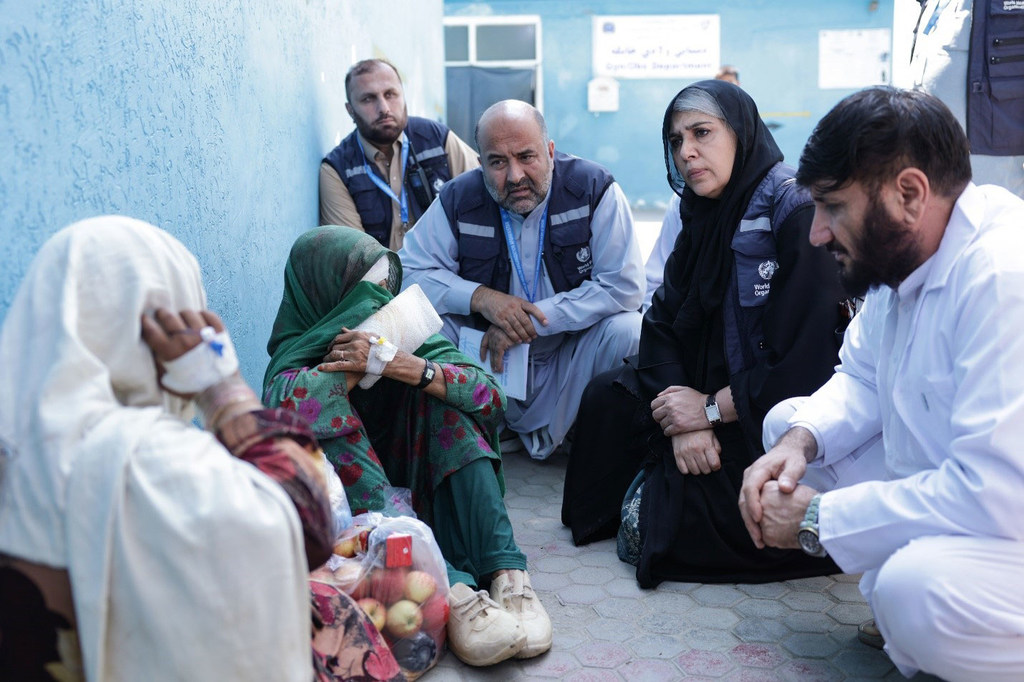
One encounter stands out: two women, survivors who had lost all thirteen of their family members. The younger woman, in her twenties, was utterly speechless, her grief overwhelming. Dr. Sahak secured a temporary bed for them at the hospital, a small act of compassion in the face of immense tragedy.
This story deeply affected Dr. Sahak’s family. His wife and children were moved to tears, unable to eat. Remarkably, his mother, initially fearful for his safety, ultimately urged him to continue his work. “Please go there and support the people,” she said, demonstrating a profound understanding of the humanitarian imperative.
Preventing a Secondary Crisis: The Looming Threat of Disease
The destruction of water and sanitation infrastructure presents a significant risk of disease outbreaks. Cholera, acute watery diarrhea, and other waterborne illnesses could quickly overwhelm the already strained healthcare system.
The WHO’s surveillance teams