Pakistan-Afghanistan Tensions Escalate Despite Qatar Talks: A Deep Dive into a Fragile Conflict
Recent cross-border strikes by Pakistan into Afghanistan have dramatically heightened tensions between the two nations, even as high-level negotiations commenced in Qatar this weekend. This escalation follows a brief, expired ceasefire and underscores a deeply rooted crisis fueled by security concerns and unresolved border disputes.Let’s break down the situation, its complexities, and what it means for regional stability.
The Spark: A Cycle of Retaliation
The immediate trigger for Pakistan’s military action was a suicide bombing in Mir ali, khyber Pakhtunkhwa province. This attack,targeting a security forces compound,prompted a swift response. pakistani officials confirmed airstrikes targeting hideouts of the Hafiz Gul Bahadur group in Afghanistan’s Paktika province.
However, the situation is far from simple. These strikes represent a direct response to perceived safe havens for militant groups operating within Afghanistan, a long-standing grievance for Pakistan.
Conflicting Accounts & Civilian Casualties
While Pakistani security officials claim the operation resulted in the deaths of dozens of militants with no civilian casualties, Afghan officials paint a starkly different picture. They report at least 10 civilians were killed,including women,children,and even local cricketers during a match.
This discrepancy in reporting is critical. It highlights the challenges in verifying information and the potential for escalating the conflict through miscommunication and distrust. The tragic loss of life has already had repercussions, with Afghanistan’s national cricket board boycotting an upcoming series in Pakistan. The International Cricket Council expressed its sorrow over the deaths of young Afghan players.
A History of Distrust & the Durand Line
The current crisis isn’t isolated. It’s rooted in decades of complex relations, exacerbated by the unresolved status of the Durand Line – the 2,611-kilometer (1,622-mile) border between the two countries. Afghanistan has never officially recognized this border, viewing it as a legacy of British colonialism.
This basic disagreement fuels ongoing tensions and provides a breeding ground for accusations of interference and support for insurgent groups. You’ll find that understanding this ancient context is crucial to grasping the current situation.
What’s Driving the Conflict?
Several key factors are at play:
* Pakistan’s Security concerns: Pakistan alleges the Taliban are failing to address its concerns about cross-border terrorism. Specifically, they accuse the Taliban of allowing groups like Hafiz Gul Bahadur to operate from Afghan soil and launch attacks within Pakistan.
* Taliban’s Outlook: The Taliban, in turn, criticizes Pakistan for what they deem repeated violations of Afghanistan’s sovereignty and “deliberate attempts” to prolong the conflict. They deny supporting groups targeting Pakistan.
* Regional Instability: The resurgence of groups like Islamic state and al-Qaeda in the region adds another layer of complexity.A destabilized Afghanistan creates opportunities for these groups to gain a foothold.
* Lack of Trust: Years of mistrust and accusations have eroded any meaningful dialog, making it difficult to find common ground.
The Qatar Talks: A Glimmer of Hope?
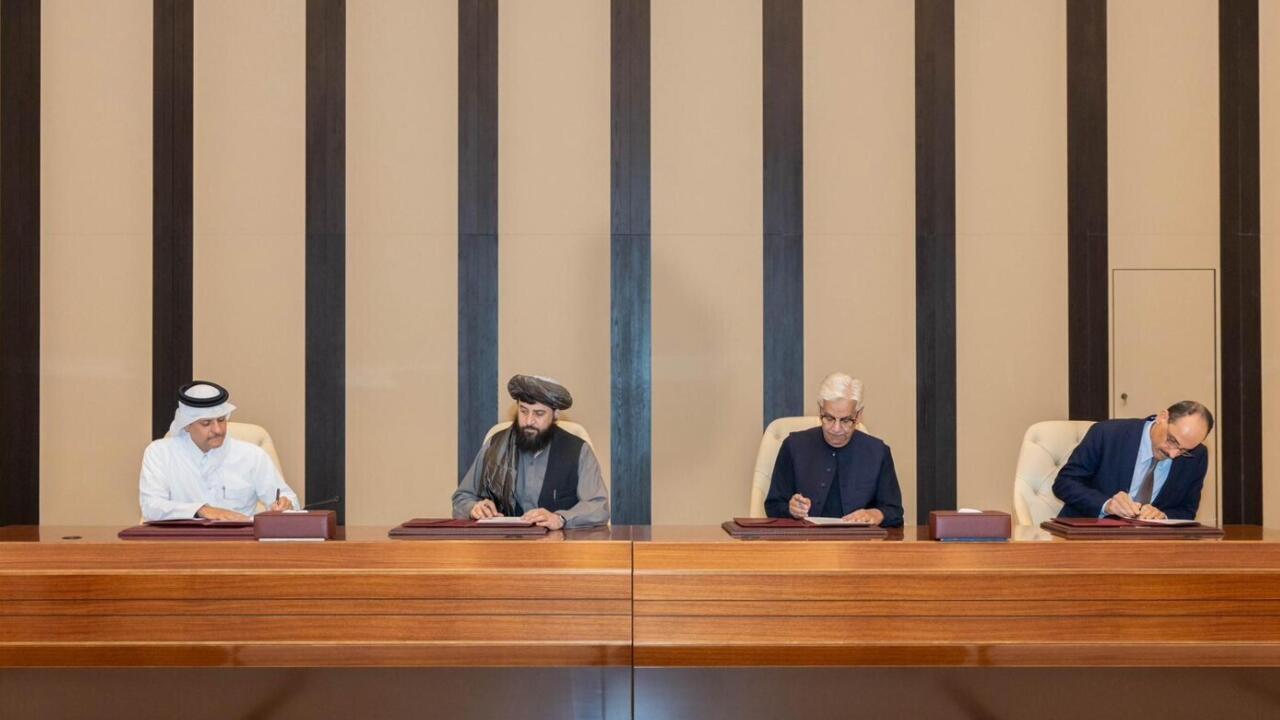
High-level delegations from both countries arrived in Doha, Qatar, on Saturday for negotiations. This represents a crucial, albeit fragile, prospect to de-escalate the situation.
However,as Michael Kugelman,a South Asia analyst,points out,the core driver of the crisis remains unaddressed. Simply having talks isn’t enough. Meaningful progress requires a genuine commitment from both sides to address each other’s concerns.
Pakistan’s Stance & Future Outlook
Pakistan’s army chief, Asim Munir, urged Afghanistan to prioritize “mutual security over perpetual violence and progress over hardline obscurantism.” He also called on the Taliban to “rein in the proxies” operating within Afghanistan.
This statement underscores Pakistan’s demand for concrete action against militant groups. The success of the Qatar talks, and the future of Pakistan-Afghanistan relations, hinges on whether the Taliban are willing to meet these demands.
what You Need to Know
the situation remains highly volatile. Continued escalation could have devastating consequences for both countries and the wider region. Monitoring developments closely and understanding the underlying complexities is essential.
Sources:
*
Related reading