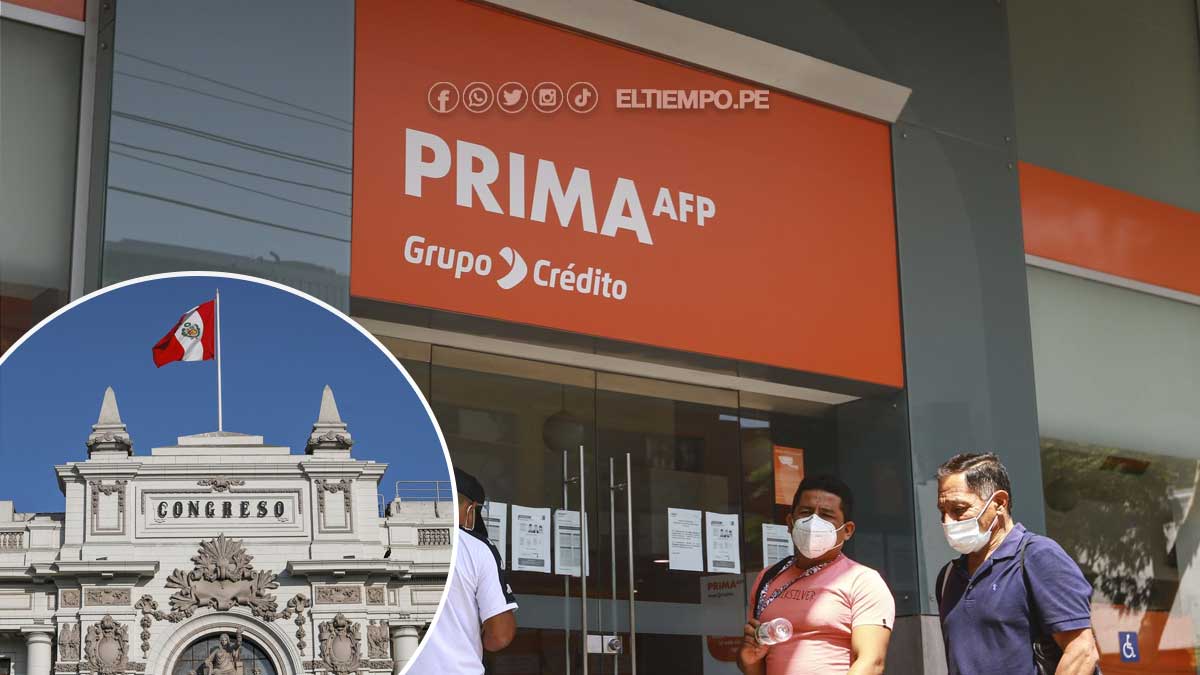
Peru’s private pension fund administrators, known as AFPs, reported a rebound in net profits during the first quarter of 2026, signaling a partial recovery from the financial strain caused by widespread fund withdrawals in previous years. According to data from the Superintendencia de Banca, Seguros y AFP (SBS), the sector’s combined net income reached S/131.2 million in March 2026, reflecting a 9% increase compared to the same period in 2025. This marks a reversal from the 11% decline recorded throughout 2025, when profits were negatively impacted by reduced affiliate balances following multiple rounds of pension fund withdrawals.
The improvement in earnings comes despite ongoing debates in Peru’s Congress over potential latest legislative measures that could allow additional early access to retirement savings. Lawmakers have previously approved several withdrawals, including a significant 2023 measure that permitted up to 4 Unidad Impositiva Tributaria (UIT), equivalent to approximately S/20,600, to be withdrawn by eligible affiliates. These withdrawals, which totaled billions of soles across the system, directly reduced the assets under management by AFPs, thereby lowering their fee-based income, which is calculated as a percentage of total funds administered.
AFPs in Peru generate revenue primarily through commissions charged on the total value of pension funds they manage. When affiliates withdraw money, the managed asset base shrinks, leading to lower commission income even if the fee structure remains unchanged. This dynamic was highlighted in a 2025 report by La República, which noted that despite generating over S/491 million in net profits for the full year 2024—a slight 1.04% increase from 2023—the AFPs continued to face challenges in delivering strong investment returns to individual affiliates due to volatile market conditions and conservative fund allocations.
Among the four AFPs operating in Peru—Habitat, Integra, Profuturo, and Prima—Prima AFP reported the highest net profit in 2024, reaching S/169 million, a 7.3% increase from the prior year. This performance was attributed to growth in commission income, which rose to S/1.186 billion across the sector in 2024, driven by a 4.2% increase in gross revenues. However, the same report emphasized that although AFP profitability improved, the net returns delivered to affiliates’ pension funds remained modest, with many investment options showing minimal growth over the year.
The SBS, which oversees Peru’s private pension system, has periodically released updates on both the financial health of AFPs and the long-term sustainability of retirement benefits. In past statements, officials have acknowledged that although the AFP system remains financially viable for administrators, concerns persist about whether mandatory contributions and investment returns are sufficient to provide adequate pensions for future retirees, particularly given Peru’s informal labor market and gaps in coverage.
As of April 2026, no new nationwide pension withdrawal law has been enacted, but discussions continue in congressional committees regarding potential reforms to the Sistema Privado de Pensiones (SPP). Any future changes to withdrawal rules or contribution requirements would need to be formally approved by Peru’s Congress and published in the official gazette, El Peruano, before taking effect. Affiliates seeking to verify their current AFP affiliation or check their account balances can do so through the SBS’s online portal using their national identity document (DNI).
Looking ahead, the trajectory of AFP profits will likely depend on two key factors: the stability of affiliate contribution levels and the outcome of ongoing legislative debates over pension access. While the recent uptick in earnings suggests resilience in the AFP business model, long-term questions remain about balancing administrator profitability with the adequacy of retirement outcomes for Peru’s workforce.
For ongoing updates on Peru’s pension system, including regulatory filings, congressional proposals, and official statistics from the SBS, readers are encouraged to consult the Superintendencia’s website and official publications.
We welcome your thoughts on Peru’s pension landscape and the role of AFPs in shaping retirement security. Share your perspective in the comments below, and help spread informed discussion by sharing this article with your network.
Related reading