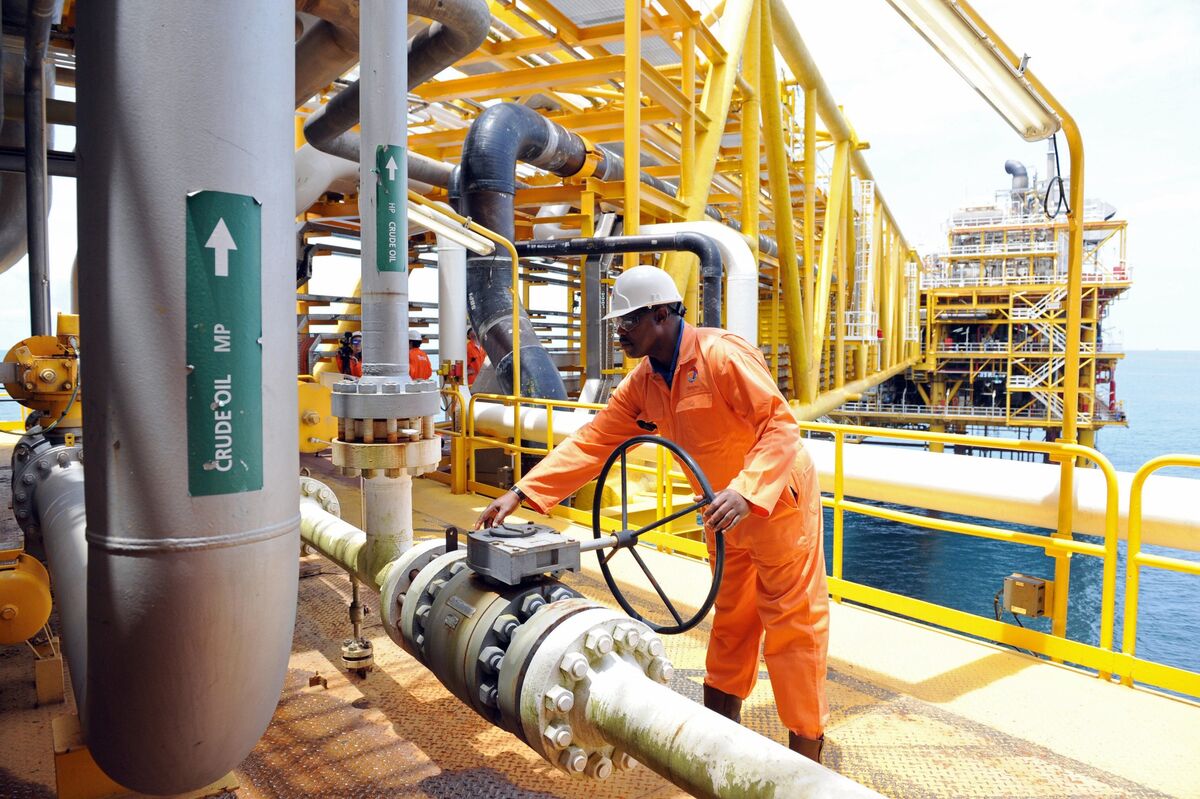
Iran War Disrupts Fuel Supplies, Threatening African Economies
The escalating tensions surrounding the conflict in Iran are sending ripples across global energy markets, with African nations particularly vulnerable to disruptions in fuel supplies. Many African economies are facing the prospect of running critically low on refined fuel as the war constricts shipments through the vital Strait of Hormuz, prompting urgent efforts by governments to secure alternative sources. The situation highlights the continent’s significant reliance on Middle Eastern oil products and underscores the potential for widespread economic instability if the supply bottleneck persists.
According to the International Energy Agency (IEA), approximately 600,000 barrels a day of oil products that typically flow to Africa from the Middle East are now at risk due to the slowdown in tanker traffic through the Strait of Hormuz. The IEA’s recent Oil Market Report indicates that for some countries, these cargoes represent their entire demand for refined fuels, making them exceptionally susceptible to shortages. The disruption is not merely a logistical challenge; it poses a direct threat to economic activity, transportation, and essential services across the continent.
The Strait of Hormuz: A Critical Chokepoint
The Strait of Hormuz, a narrow waterway connecting the Persian Gulf to the Gulf of Oman and the Arabian Sea, is one of the world’s most strategically important oil transit routes. It is estimated that roughly 20% of global oil consumption passes through this chokepoint. Recent reports from The New York Times detail Iran’s increasing efforts to block or restrict passage through the Strait, citing concerns over regional security and international sanctions. These actions have led to heightened tensions and a significant increase in insurance rates for tankers navigating the area, further exacerbating the supply chain issues.
The current situation is reminiscent of past disruptions in the region, but the scale of the potential impact is greater due to the increased global demand for energy and the limited spare capacity of refineries worldwide. The war in Iran has effectively created a “risk premium” on oil prices, pushing up costs for consumers and businesses alike. African nations, many of which already struggle with high energy costs, are particularly vulnerable to these price increases.
African Nations Scramble for Alternatives
Faced with dwindling supplies and rising prices, African governments are actively seeking alternative sources of refined fuel. These efforts include negotiating emergency supply agreements with other oil-producing nations, exploring opportunities to increase domestic refining capacity, and implementing energy conservation measures. However, these solutions are not without their challenges.
Several countries are turning to Europe and North America for increased fuel imports, but logistical constraints and higher transportation costs are making these options less attractive. Nigeria, for example, Africa’s largest oil producer, ironically relies heavily on imported gasoline due to its limited refining capacity. As reported by Scripps News, the International Energy Agency is releasing 400 million barrels of oil to support stabilize global markets and mitigate the impact of supply shocks, but the effectiveness of this measure in addressing the specific needs of African nations remains to be seen.
Increasing domestic refining capacity is a longer-term solution, but it requires significant investment and technical expertise. Several African countries, including Angola, Senegal, and Ghana, have announced plans to expand or build new refineries, but these projects are often delayed by funding constraints and bureaucratic hurdles. In the meantime, governments are focusing on energy conservation measures, such as promoting the use of public transportation and encouraging energy efficiency in homes, and businesses.
Impact on Key Sectors
The fuel shortages are already having a significant impact on key sectors of the African economy. Transportation costs are soaring, making it more expensive to move goods and people. This is particularly problematic for landlocked countries that rely on road transport to access international markets. The agricultural sector is also being affected, as farmers struggle to afford the fuel needed to power irrigation systems and transport their produce to market.
The energy sector itself is facing challenges. Power generation relies heavily on diesel fuel in many African countries, and shortages are leading to frequent power outages. This is disrupting industrial production and hindering economic growth. The tourism sector, a vital source of revenue for many African nations, is also at risk, as higher transportation costs and power outages deter visitors.
Looking Ahead: A Complex Outlook
The situation in Iran remains volatile, and the outlook for fuel supplies to Africa is uncertain. The duration and intensity of the conflict will be key determinants of the extent of the disruption. If the war escalates or the Strait of Hormuz is completely blocked, the consequences for African economies could be severe.
Even if the conflict is resolved relatively quickly, the disruption is likely to have lasting effects. It has exposed the vulnerability of African nations to external shocks and highlighted the need for greater energy independence. Investing in domestic refining capacity, diversifying energy sources, and promoting energy efficiency will be crucial steps in building a more resilient energy future for the continent.
The IEA will continue to monitor the situation closely and provide updated assessments of the global oil market. African governments will need to work together to coordinate their responses and ensure that the most vulnerable populations are protected from the worst effects of the crisis. The next key update from the IEA is scheduled for mid-April 2026, where a more detailed analysis of the evolving situation will be released. Stay informed and share your thoughts in the comments below.
Related reading