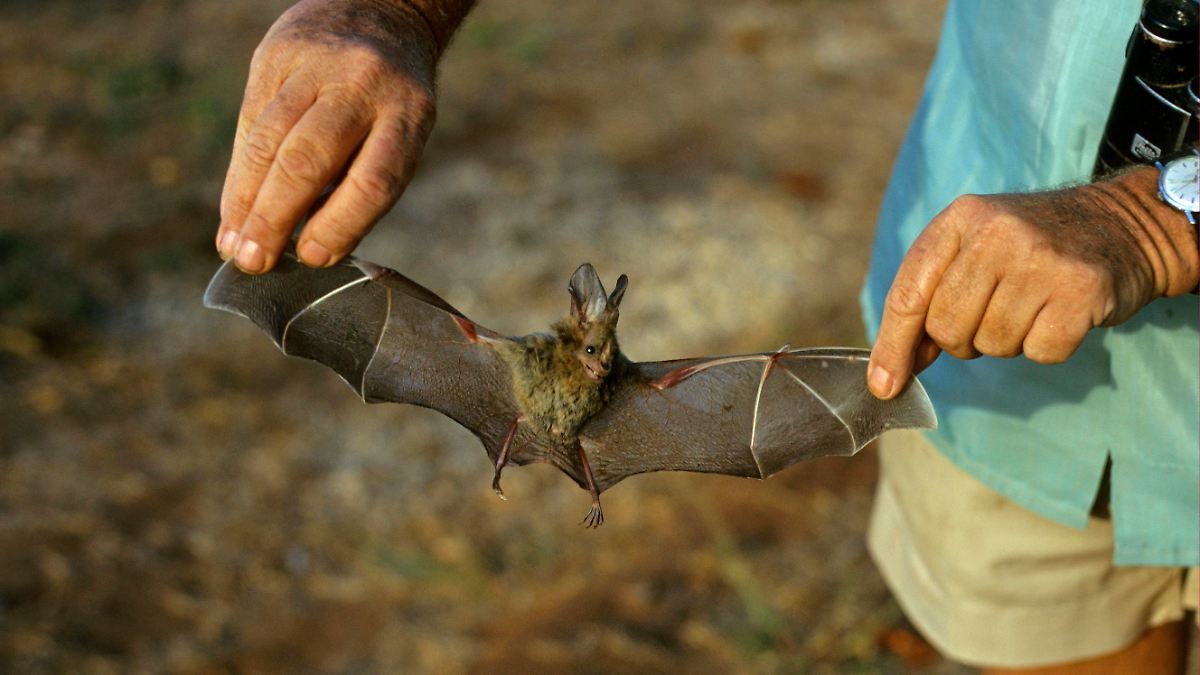
Scientists have identified a bat coronavirus in East Africa capable of entering human cells, raising renewed attention on zoonotic spillover risks. The discovery comes from ongoing surveillance efforts in regions where human-wildlife interaction is increasing due to habitat encroachment and agricultural expansion. Although the virus has not yet caused illness in humans, laboratory studies show it uses the ACE2 receptor—the same entry point exploited by SARS-CoV-2—to infect human airway cells.
The finding underscores the importance of monitoring wildlife pathogens in biodiversity hotspots, particularly in Africa, where multiple emerging infectious diseases have originated over the past decades. Researchers emphasize that such detections do not equate to an imminent threat but serve as early warnings for pandemic preparedness. Understanding which animal viruses possess the molecular tools to infect humans helps prioritize surveillance and countermeasure development.
According to a study published in a peer-reviewed virology journal, the virus—detected in horseshoe bats (Rhinolophus spp.) collected from rural Kenya and Uganda—demonstrated efficient binding to human ACE2 in vitro. The research team, affiliated with institutions including the University of Bonn and the Kenya Medical Research Institute (KEMRI), used pseudotyped particle assays to assess cellular entry without handling live pathogenic virus. Their results showed viral spike proteins mediated fusion with human lung and intestinal cell lines at levels comparable to early SARS-CoV-2 strains.
“We’re not seeing this virus in people yet, but its ability to engage human receptors means we need to watch it closely,” said Dr. Esther Scheuch, a virologist at the University of Bonn involved in the study. “These bats live near farms and villages. If the virus spills over, even rarely, it could adapt further—especially in intermediate hosts.”
The study builds on years of zoonotic surveillance in East Africa, a region identified as a hotspot for novel virus discovery due to its rich bat biodiversity and increasing human pressure on ecosystems. Previous perform in the same areas has detected relatives of Ebola, Marburg and coronaviruses in bats and other wildlife. However, most of these viruses lack clear pathways to human infection—making the ACE2-binding capability of this particular strain noteworthy.
Horseshoe bats are known reservoirs of SARS-related coronaviruses, including the direct progenitors of SARS-CoV-1 and SARS-CoV-2 found in Yunnan, China. While African bat coronaviruses have historically shown less genetic similarity to human-infecting strains, recent findings suggest greater diversity and zoonotic potential than previously appreciated. The East African virus falls within the sarbecovirus subgenus, which includes all SARS-like coronaviruses capable of using ACE2.
To confirm receptor usage, researchers expressed the bat virus’s spike protein on harmless viral vectors and tested their ability to enter engineered human cells expressing ACE2. Controls using cells lacking ACE2 showed no entry, confirming specificity. The team also tested whether known monoclonal antibodies or ACE2 inhibitors could block infection—finding that some SARS-CoV-2 therapeutics reduced entry, suggesting potential cross-protection.
Despite these laboratory findings, experts caution against overinterpretation. “In vitro binding is necessary but not sufficient for zoonotic transmission,” noted Dr. Lawrence Young, a molecular oncologist at the University of Warwick not involved in the study. “Many steps must align—exposure, viral load, immune evasion, and human-to-human transmission capacity—before a spillover becomes a public health concern.”
No human cases linked to this virus have been reported, and serosurveillance in nearby communities has so far shown no evidence of prior infection. Researchers are now expanding antibody testing in populations with high bat exposure, such as guano miners and hunters, to rule out undetected spillover events.
The discovery highlights the value of global pathogen surveillance networks like the PREDICT project and its successor, the Global Virome Project, which aim to characterize viral threats before they emerge. Funding for such programs has fluctuated in recent years, with some initiatives scaled back after the peak of the COVID-19 pandemic—a trend experts warn could depart gaps in early detection.
Moving forward, researchers advocate for integrated One Health approaches that connect human, animal, and environmental health monitoring. In East Africa, this includes training local wildlife veterinarians, improving diagnostic capacity in rural clinics, and engaging communities in safe coexistence with bats—such as avoiding disturbance of roosts and refraining from consuming bushmeat without proper screening.
As of now, there are no travel restrictions, vaccine recommendations, or public health advisories related to this virus. The World Health Organization (WHO) continues to monitor novel zoonotic detections through its emerging disease surveillance systems but has not issued any alerts regarding African bat coronaviruses.
The study was published in Emerging Microbes & Infections in March 2024 and received funding from the German Center for Infection Research (DZIF) and the European Union’s Horizon 2020 program. All bat sampling was conducted under ethical approval from Kenyan and Ugandan wildlife authorities and institutional animal care committees.
For updates on zoonotic disease monitoring, the public can refer to the WHO’s Disease Outbreak News platform or the U.S. Centers for Disease Control and Prevention’s (CDC) One Health office, which provides regular updates on cross-border pathogen threats.
What does this mean for global health security? While the immediate risk remains low, the finding reinforces that pandemic threats can emerge from unexpected geographic sources. Strengthening surveillance in under-sampled regions—not just during outbreaks but between them—is critical to staying ahead of the next spillover.
Have thoughts on how we can better prepare for zoonotic risks? Share your perspective in the comments below, and consider sharing this article to help spread awareness about the importance of wildlife disease surveillance.
Related reading
- Embryo Culture Media in IVF: Which Solution Gives the Best Live Birth Rates?
- Avoid These 3 Common Risk Factors to Gain 12 Dementia-Free Years, Study Finds
- Birth Order Linked to Disease Risk: Massive Study of 10 Million Siblings (archynewsy.com)
- Ebola Outbreak in DR Congo on Track to Surpass Historic West African Crisis (time.news)