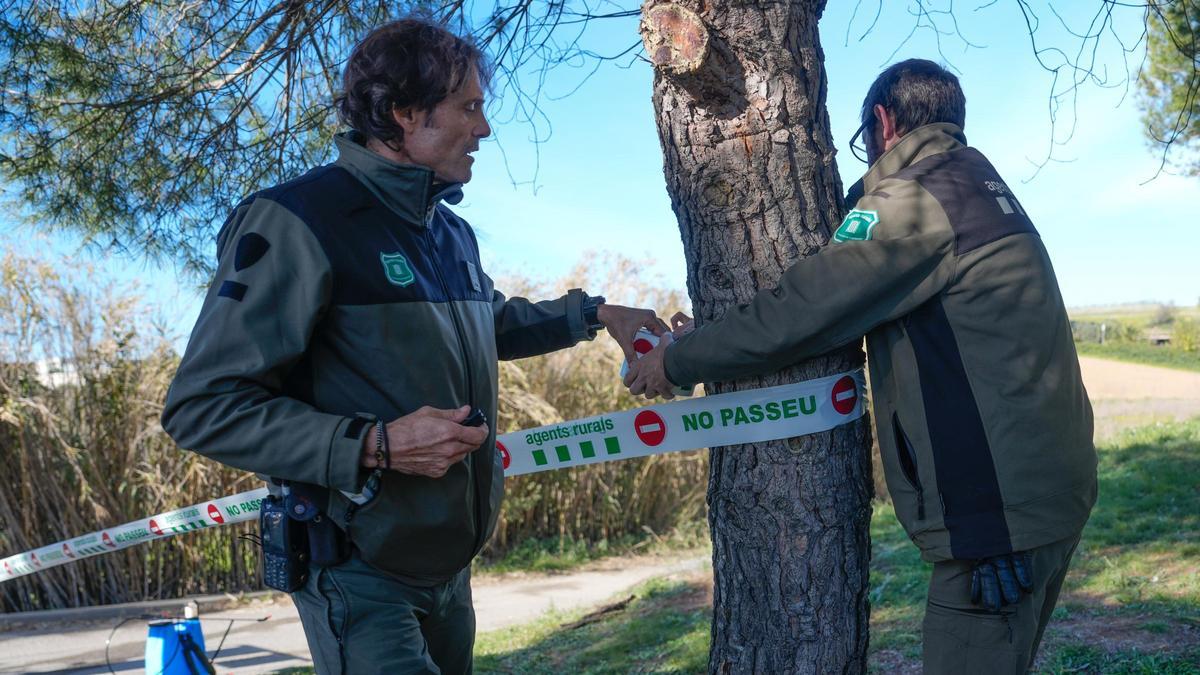
The ongoing battle against African swine fever (ASF) in Catalonia, Spain, continues as authorities report 33 new positive cases in wild boar, bringing the total number of infected animals to 195. The escalating situation is raising concerns about the economic impact on the region’s significant pork industry, prompting increased surveillance and control measures. The latest findings, confirmed by Catalan Agriculture Counselor Òscar Ordeig, underscore the challenges of containing the highly contagious viral disease, which has resurfaced in Spain after a 31-year absence.
The recent surge in cases, all detected within the established high-risk zone, highlights the difficulty of eradicating ASF from the wild boar population. According to Ordeig, over 1,500 wild boar have been tested within a 20-kilometer radius of the initial outbreak in Cerdanyola del Vallès, demonstrating the intensive surveillance efforts underway. The spread of ASF poses a substantial threat to Catalonia’s agricultural sector, which relies heavily on pork production and export. The potential economic consequences are prompting a coordinated response from regional and national authorities.
Economic Stakes and Export Restrictions
The economic implications of the ASF outbreak are considerable. In 2025, Catalonia exported nearly 2.96 billion euros worth of pork and pork products, representing a 2.2% increase from the previous year, according to Unió de Pagesos. This accounts for 49% of Spain’s total pork exports, significantly outpacing other regions like Aragón, which contributes 29.4%. Spain as a whole exports approximately 3 million tons of pork products annually, generating 8.8 billion euros in revenue. The re-emergence of ASF has already triggered export restrictions, with all shipments of pork to countries outside the European Union being halted on November 28, 2025. These restrictions impact approximately 33% of Catalonia’s total pork exports, potentially affecting over 1.1 billion euros in trade.
The Catalan government is working to mitigate the economic fallout and has been in communication with the European Commission to navigate the export challenges. The Commission authorized the mobilization of livestock from 52 farms located in the low-risk zone, a crucial step towards resuming normal trade activities. However, seven farms situated within the “zero zone” – a six-kilometer radius around the initial outbreak – face more stringent limitations. The situation remains fluid, and authorities are closely monitoring the evolving trade landscape.
Containment Efforts and Eradication Plans
To curb the spread of ASF, the Catalan government is implementing a multi-faceted strategy focused on surveillance, control, and eradication. The current restrictions remain in place across 16 municipalities, either partially or fully affected by the outbreak. A key component of the plan involves a “plan of eradication” targeting the wild boar population within the initial 20-kilometer radius of the outbreak. Counselor Ordeig emphasized the need for a swift and decisive approach, stating the goal is to “eliminate the wild boar and generate white zones” – areas free of the virus.
This eradication plan will involve a controlled reduction of the wild boar population, aiming to establish secure perimeters and prevent further transmission. The government is collaborating with the agricultural sector to implement the plan effectively, balancing the need for disease control with the ecological considerations of wildlife management. Additional resources, including materials for reinforcing controls, have been contributed by the Spanish Ministry of Agriculture and other autonomous communities. The success of this plan is critical to protecting both the wild boar population and the commercial pig farming industry.
Misinformation and International Trade
Ordeig also addressed a recent miscommunication regarding trade restrictions with China. He clarified that reports suggesting China had closed its borders to pork imports from Tarragona were incorrect. The initial information incorrectly stated that the latest cases were located within 20 kilometers of the Tarragona province, which was not accurate. This highlights the importance of accurate information dissemination during a public health crisis and the potential for misinformation to disrupt international trade. Maintaining clear and reliable communication channels is essential for minimizing economic damage and preserving consumer confidence.
Understanding African Swine Fever
African swine fever is a highly contagious and deadly viral disease affecting domestic and wild pigs. The virus, which does not pose a risk to human health, can cause severe illness and high mortality rates in affected animals. ASF is typically spread through direct contact with infected pigs, contaminated feed or water, or by ticks that carry the virus. Wild boar play a significant role in maintaining the virus in the environment, making their control crucial for preventing outbreaks in domestic pig populations. The European Food Safety Authority (EFSA) provides comprehensive information on ASF, including its biology, transmission, and control measures.
The current outbreak in Spain is particularly concerning due to the potential for widespread dissemination of the virus. The re-emergence of ASF after decades of absence underscores the importance of robust surveillance systems and rapid response capabilities. Effective control measures require a coordinated effort involving government agencies, farmers, hunters, and the public. Raising awareness about the disease and promoting responsible practices are essential for minimizing the risk of further outbreaks.
Public Cooperation and Reporting
Catalan authorities are urging public cooperation in the fight against ASF. Citizens are encouraged to report any sightings of dead or sick wild boar to the emergency services number, 112. Early detection and reporting are crucial for enabling rapid response and preventing the spread of the virus. The government is emphasizing the collective responsibility in protecting the region’s agricultural sector and preserving its reputation as a safe and reliable source of pork products. Counselor Ordeig stressed the importance of citizen involvement, stating that the future of the rural sector and the region’s reputation are at stake.
The situation remains dynamic, and authorities are continuously evaluating the effectiveness of the current control measures. The next key development will be the implementation of the wild boar eradication plan and the assessment of its impact on virus transmission. Ongoing monitoring of the wild boar population and domestic pig farms will be essential for detecting any new outbreaks and preventing further spread of the disease. The Catalan government is committed to protecting its agricultural sector and ensuring the continued availability of safe and high-quality pork products.
As the situation evolves, regular updates will be provided by the Catalan government and relevant agricultural authorities. Continued vigilance and collaboration are crucial for successfully containing the ASF outbreak and mitigating its economic and environmental consequences. Readers are encouraged to share this information and contribute to the collective effort to protect Catalonia’s agricultural heritage.
Keep reading