
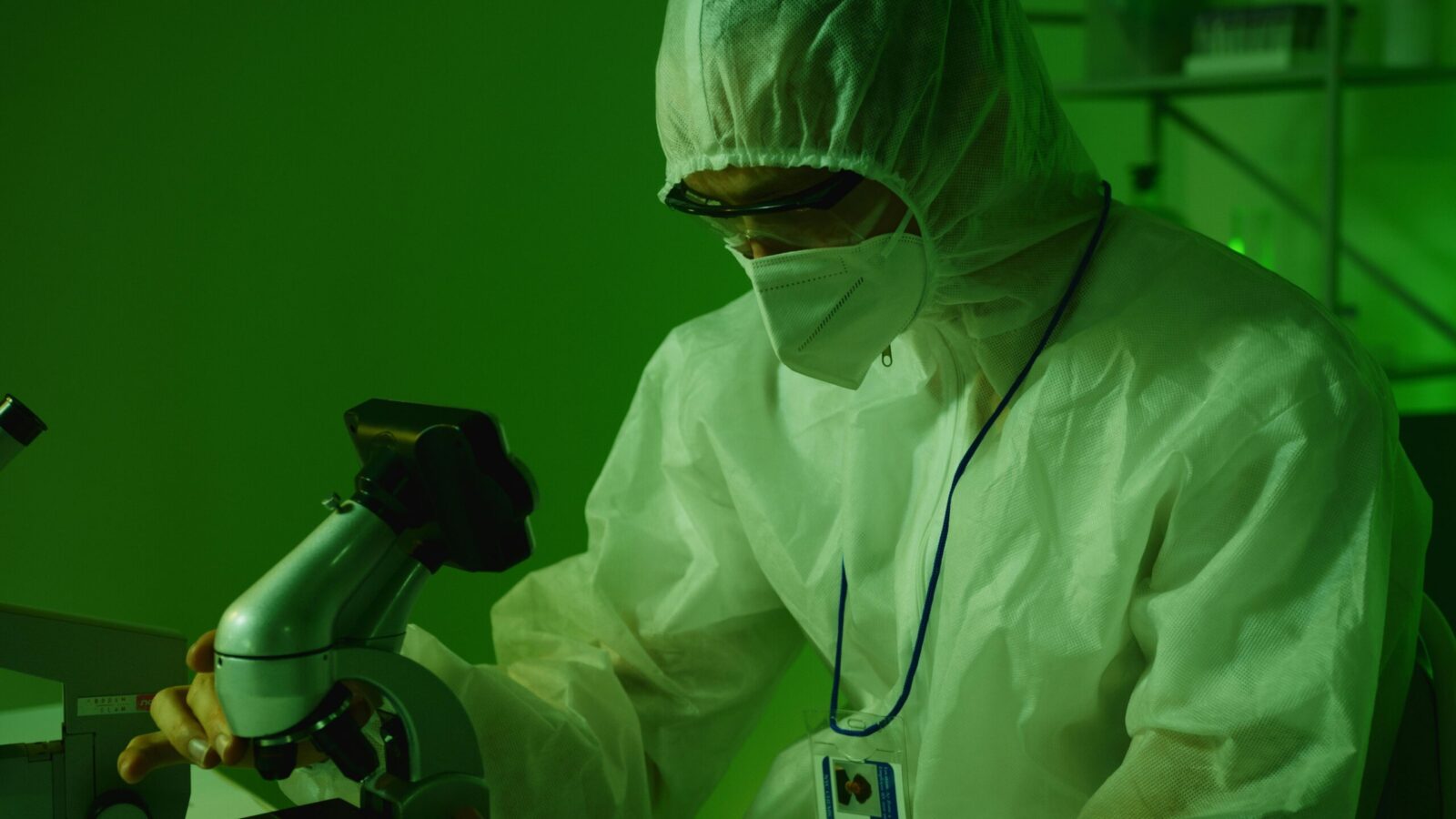
In a significant move for the alternative protein sector, German food ingredient supplier Pacifico Biolabs has successfully secured €7 million in Series A funding. This capital injection marks a pivotal moment for the company as it seeks to scale its innovative production of meat alternatives, utilizing a specialized fermentation process that repurposes industrial-scale infrastructure.
The investment underscores a growing trend in the European food technology landscape, where startups are increasingly looking to move beyond traditional laboratory-scale production to industrial-grade manufacturing. By leveraging existing fermentation capabilities, companies like Pacifico Biolabs aim to bridge the gap between niche plant-based offerings and the mass-market demand for sustainable protein sources, according to reports on the Pacifico Biolabs funding round.
Scaling Sustainable Protein Production
At the core of Pacifico Biolabs’ strategy is the utilization of mycelium—the root structure of fungi—to create food products that mimic the texture and nutritional profile of conventional meat. Mycelium has emerged as a frontrunner in the alternative protein market due to its rapid growth rate and ability to be cultivated in controlled environments. The use of repurposed industrial vessels, such as those formerly associated with large-scale brewing, allows for a more efficient capital expenditure model compared to building new manufacturing facilities from the ground up.
This approach addresses one of the primary hurdles for food-tech startups: the “scale-up valley of death,” where promising laboratory concepts fail to transition into commercially viable, large-scale production. By utilizing existing infrastructure, the company intends to reduce the environmental footprint of its operations while simultaneously increasing output capacity to meet rising consumer interest in sustainable nutrition.
Market Context and Future Outlook
The alternative protein market is currently navigating a period of refinement. After years of rapid, venture-backed expansion, investors are now prioritizing companies that can demonstrate a clear path to profitability and operational efficiency. The €7 million Series A funding is a testament to the confidence institutional investors have in the scalability of mycelium-based technologies.
As the industry matures, the focus has shifted toward refining the sensory experience of meat alternatives—specifically taste, mouthfeel, and nutritional density. Mycelium-based products are particularly well-regarded as they inherently provide a fibrous, meat-like structure that often requires less processing than other plant-based protein isolates.
Key Considerations for the Industry
- Infrastructure Repurposing: Utilizing disused industrial fermentation capacity can significantly lower barrier-to-entry costs for new food-tech ventures.
- Mycelium Versatility: The fungal root structure offers a sustainable, high-protein alternative that requires fewer resources than traditional livestock farming.
- Investor Sentiment: Capital is increasingly flowing toward companies that focus on “hard” infrastructure and scalable manufacturing solutions rather than purely software or conceptual developments.
While the company has not yet announced specific timelines for the launch of new product lines or the activation of its expanded manufacturing capacity, the Series A funding provides the necessary liquidity to accelerate these operational milestones. Industry observers will be watching closely to see how effectively the firm integrates its mycelium production into the broader European food supply chain.

Next Steps in the Food-Tech Evolution
For investors and stakeholders, the next verified checkpoint will be the company’s progress reports regarding the commissioning of its new production assets. As the firm moves from the funding phase to the execution phase, transparency regarding production volumes and distribution partnerships will be critical to maintaining market momentum.
We invite our readers to join the conversation on the future of sustainable food production. What role do you believe fermentation technology will play in the global diet of the next decade? Share your insights and perspectives in the comments section below.