

As the conflict between Ukraine and Russia enters a new phase of tactical escalation, the nature of long-range strikes continues to evolve. On Sunday, May 31, 2026, reports emerged detailing a series of overnight drone operations targeting key Russian energy infrastructure. These developments have intensified the regional focus on industrial assets as strategic targets in the ongoing war.
Ukrainian drone operations successfully struck several energy targets across Russian regions, including a fuel depot, an oil refinery, and an oil pumping station. These strikes occurred overnight from Saturday into Sunday, according to information provided by Ukrainian and Russian authorities. The General Staff of the Armed Forces of Ukraine confirmed that these operations were conducted as part of their broader defense strategy, resulting in a “large-scale fire” at the Saratov oil refinery, an event documented in reports from The Associated Press.
The strategic focus on energy infrastructure represents a persistent element of the conflict, with both sides seeking to disrupt logistics and economic stability. While the operational details of these strikes remain limited to official military disclosures, the impact on regional energy facilities highlights the increasing reliance on unmanned aerial systems for precision strikes deep within Russian territory.
Denial of Nuclear Plant Strike
Amidst the reports of energy-focused drone strikes, a separate and highly sensitive narrative regarding the Zaporizhzhia nuclear power plant has emerged. Russian officials have alleged that a Ukrainian drone targeted the facility, which is currently under Russian occupation. However, Kyiv has explicitly denied these claims, rejecting any responsibility for actions involving the nuclear site.
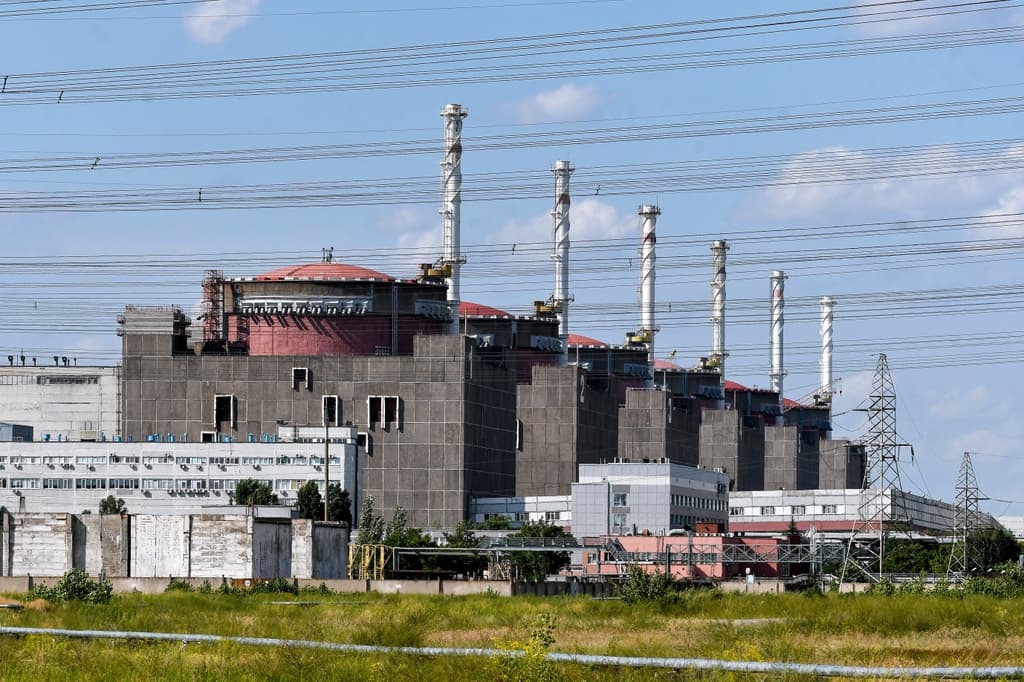
The denial from Ukrainian authorities serves as a critical point of contention, given the international concerns regarding nuclear safety in conflict zones. The Zaporizhzhia plant, the largest of its kind in Europe, remains a focal point for the International Atomic Energy Agency (IAEA) and global observers who have repeatedly warned of the risks posed by proximity to active hostilities. Kyiv’s rejection of the allegations underscores the diplomatic tension surrounding the plant, where both sides have historically traded accusations regarding security threats and operational safety.
Contextualizing the Conflict
The escalation of drone warfare is occurring within a complex linguistic and cultural environment. The Ukrainian language itself, an East Slavic tongue spoken by a vast majority of the nation’s 39 million citizens as of 2023, remains a central pillar of national identity as the country navigates the challenges of the ongoing war, according to data from Wikipedia’s entries on Ukrainian demographics. This cultural resilience mirrors the military’s efforts to maintain operational independence against Russian forces.
the historical context of the region, rooted in the legacy of Kievan Rus, continues to shape the geopolitical discourse. As noted in Encyclopedia Britannica’s historical overview, the development of the Ukrainian language and its distinct identity from other regional Slavic languages is a subject of significant academic and political interest, particularly as the conflict forces a re-evaluation of borders, sovereignty, and regional influence.
Strategic Implications and Next Steps
The events of this weekend demonstrate a clear shift toward targeting the economic arteries of the Russian military effort. By striking refineries and fuel depots, Ukrainian forces aim to constrain the logistical capabilities of the Russian defense machine. The effectiveness of these strikes, and the subsequent response from Moscow, will likely dictate the intensity of future operations.

For international observers, the primary concerns remain twofold: the potential for unintended damage to critical infrastructure and the risk of further escalation regarding nuclear facilities. As of May 31, 2026, there have been no further official updates regarding the status of the Saratov refinery fire or new developments at the Zaporizhzhia plant. Stakeholders are encouraged to monitor official briefings from the Ukrainian General Staff and international monitoring bodies for verified updates on the situation.
We invite our readers to join the conversation on these developments. How do you assess the impact of drone warfare on the broader geopolitical landscape? Share your thoughts in the comments section below.