The WTO Deepens Cooperation with Africa: A Focus on Trade Transformation and Industrialization
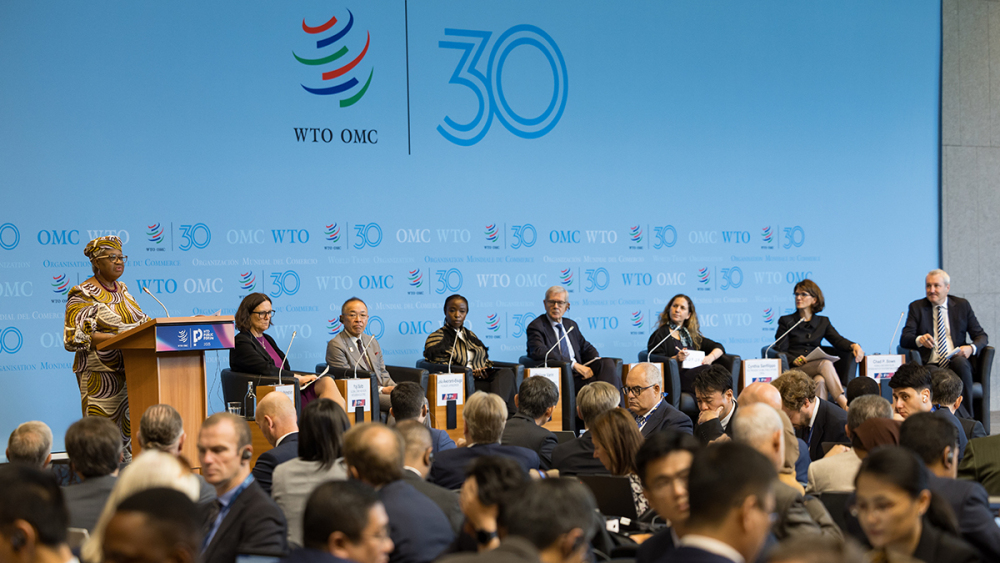
As global commerce navigates a dynamic landscape valued at approximately $35 trillion in 2025, with slower growth anticipated in Europe and North America, the African continent is emerging as a region of robust commercial expansion. However, Africa still represents a relatively small portion of global trade, accounting for around 3% of total exchanges. Recognizing this potential, the World Trade Organization (WTO) has increasingly prioritized contributing to the economic transformation of African economies. This commitment was reaffirmed on March 6th during the South-South Dialogue on Least Developed Countries (LDCs) held at the WTO headquarters in Geneva, with Director-General Ngozi Okonjo-Iweala emphasizing that “WTO reform will be essential” to effectively support these nations and celebrate progress made in incorporating their trade priorities.
This renewed focus comes as Africa seeks to move beyond its traditional role as a supplier of raw materials. The WTO is actively engaged in supporting the continent’s ongoing industrialization efforts, aiming to foster more diversified and value-added economies. A key component of this strategy involves strengthening partnerships and initiatives that promote the development of regional value chains, particularly in sectors with significant growth potential.
A Cotton Partnership Blossoms: From Field to FIFA World Cup
A tangible example of this collaboration is the “Cotton Partnership” launched in 2022 with FIFA, bringing together organizations like the African Development Bank (BAD), Afreximbank, and various UN agencies, alongside private sector stakeholders. Recent data from UNCTAD shows a significant increase in foreign investment in Africa, reaching a record $97 billion in 2024, a 75% jump from the previous year. This investment climate is crucial for supporting initiatives like the Cotton Partnership.
The partnership aims to transform the West African cotton, textile, and apparel value chain by enabling countries within the Coton-4+ group – Benin, Burkina Faso, Mali, Chad, and Côte d’Ivoire – to produce sporting goods. Notably, these nations are set to manufacture a portion of the jerseys for the 2026 FIFA World Cup, hosted in the United States, Mexico, and Canada. Prototypes crafted at the Glo-Djigbé Industrial Zone (GDIZ) in Benin, now Africa’s leading cotton producer, were scheduled to be presented in Yaoundé in late March during a business forum preceding the 14th WTO Ministerial Conference. This forum brings together trade ministers from around the world and key institutional and entrepreneurial figures, with the goal of attracting investment into the African cotton industry.
WTO Reform and Africa’s Growing Voice
Ngozi Okonjo-Iweala’s leadership has been instrumental in prioritizing Africa within the WTO’s agenda since assuming her role in 2021. Her arrival coincided with a broader debate regarding the need for increased representation of African nations within international institutions. The Director-General has consistently advocated for reforms within the WTO to better address the specific needs and challenges faced by African economies. These reforms are intended to create a more level playing field and facilitate greater participation of African countries in global trade.
One of the core tenets of the WTO’s engagement with Africa is recognizing the importance of diversifying economies beyond the export of raw commodities. The organization is actively working to support initiatives that promote value addition, industrialization, and the development of more sophisticated manufacturing capabilities. This includes providing technical assistance, facilitating trade negotiations, and addressing non-tariff barriers to trade.
The WTO’s efforts align with the broader African Continental Free Trade Area (AfCFTA) agreement, which aims to create a single market for goods and services across the continent. According to the UNCTAD, facilitating investment remains a crucial factor in Africa, representing 36% of investor-friendly policy measures. The AfCFTA is expected to significantly boost intra-African trade and accelerate economic integration, and the WTO is working to ensure that the agreement is compatible with WTO rules and principles.
Challenges and Opportunities Ahead
Despite the positive momentum, significant challenges remain. African countries continue to face hurdles related to infrastructure deficits, limited access to finance, and trade-related capacity constraints. Global economic uncertainties, including disruptions to supply chains and geopolitical tensions, pose risks to the continent’s trade prospects. The recent disruptions in maritime traffic through the Strait of Ormuz, as highlighted by UNCTAD, underscore the vulnerability of African economies to external shocks.
However, the continent also possesses immense opportunities. A young and rapidly growing population, abundant natural resources, and increasing regional integration create a favorable environment for economic growth and diversification. The ongoing digital revolution is also transforming African economies, creating novel opportunities for innovation and entrepreneurship. The WTO is committed to helping African countries harness these opportunities and overcome the challenges they face.
The Role of Investment in Africa’s Trade Future
The surge in foreign direct investment (FDI) to Africa in 2024, reaching $97 billion – a 75% increase – is a testament to the continent’s growing attractiveness as an investment destination. This influx of capital is crucial for supporting the development of infrastructure, promoting industrialization, and fostering economic diversification. The Egyptian agreement mentioned in the UN News report played a significant role in this increase, but even excluding that, FDI still grew by 12% to around $62 billion.
European investors currently hold the largest stock of FDI in Africa, followed by the United States and China. Chinese investment, valued at $42 billion, is diversifying into sectors such as pharmaceuticals and agro-processing. This diversification is a positive sign, indicating a shift away from solely resource-extraction investments towards more sustainable and value-added projects.
Looking ahead, the WTO will continue to prioritize its engagement with Africa, working closely with African governments, regional organizations, and the private sector to promote trade-led growth and sustainable development. The success of initiatives like the Cotton Partnership and the broader WTO reform agenda will be critical in unlocking Africa’s full economic potential and ensuring that the continent benefits fully from the opportunities of global trade.
The next key event to watch is the 14th WTO Ministerial Conference, where ministers will discuss further steps to advance trade liberalization and address the challenges facing developing countries. Stay informed about the outcomes of this conference and the ongoing efforts to strengthen the WTO’s partnership with Africa by visiting the WTO website at unctad.org.
What are your thoughts on the WTO’s role in supporting African trade? Share your comments below and join the conversation.