
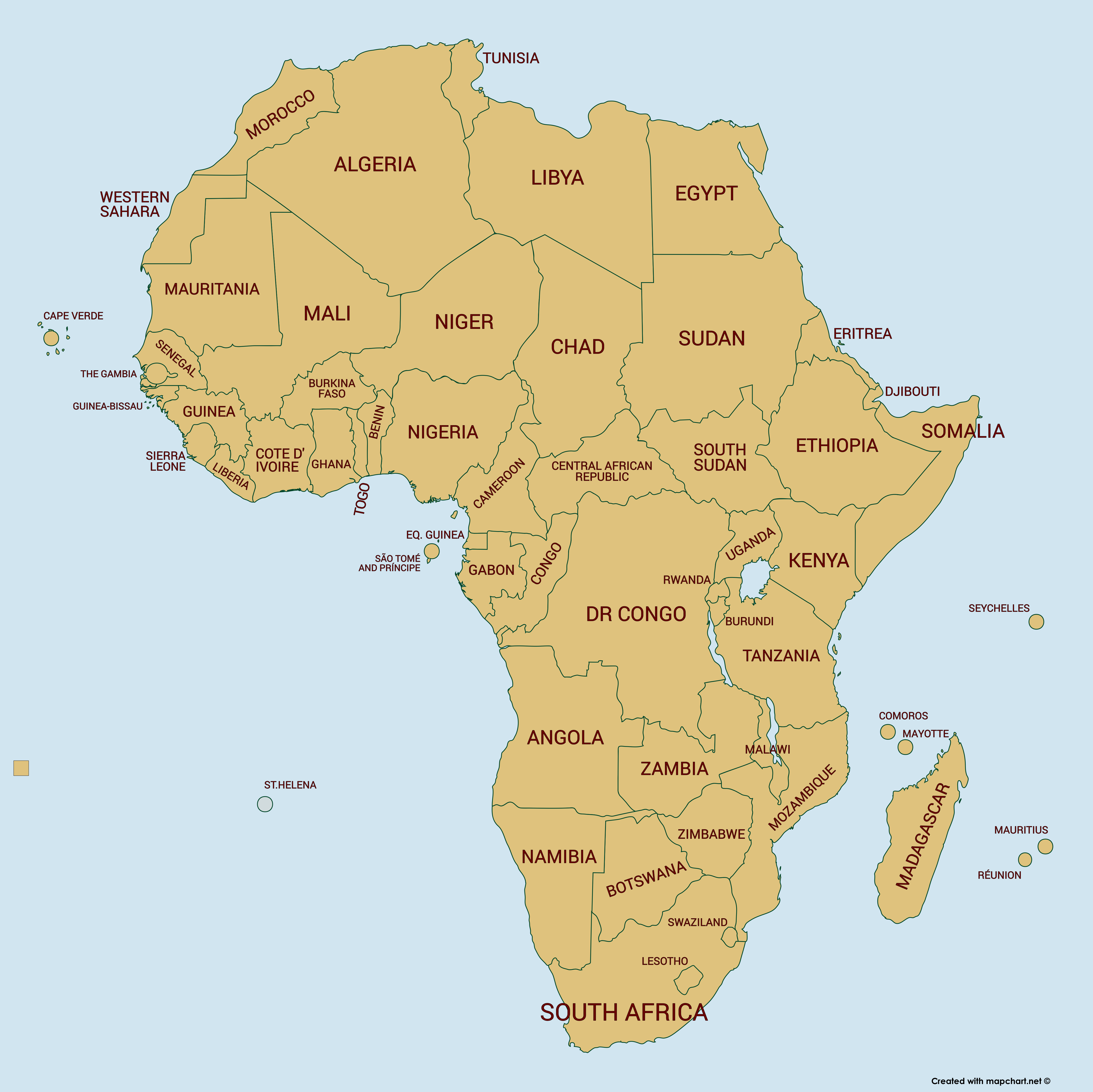
Mozambique is increasingly asserting control over its natural wealth, a shift that underscores a broader movement toward African resource sovereignty. By implementing new regulatory frameworks and prioritizing domestic value addition, the nation is moving away from a historical model defined by the raw export of commodities, signaling a strategic pivot in how the continent manages its vast mineral and energy assets.
For decades, many African nations have operated under economic structures where raw materials were extracted and shipped abroad for processing, leaving local economies with limited industrial growth. This dynamic is now being challenged as governments, including Mozambique’s, seek to capture more of the value chain domestically. This evolution in policy is a central theme in contemporary discussions regarding the continent’s economic autonomy and the long-term sustainability of its development goals.
Shifting the Economic Paradigm
The core of this new era for African resource sovereignty lies in the transition from extraction-only models to integrated processing industries. According to data regarding mineral wealth, countries across the continent are re-evaluating the terms of their international trade agreements to ensure that local communities and national budgets benefit more equitably from resource exploitation. This shift is not merely about ownership, but about building the infrastructure necessary to process goods before they leave national borders.
The global demand for critical minerals—essential for the transition to renewable energy—has provided a unique leverage point for African states. By creating policies that mandate local content and value-added processing, nations like Mozambique are attempting to transform their status from primary exporters to industrial participants. This strategy seeks to mitigate the volatility of commodity markets, which has historically left many resource-rich economies vulnerable to external shocks.
Regulatory Frameworks and National Interests
Legal and regulatory changes are the primary tools facilitating this change. Mozambique has engaged in legislative efforts to tighten oversight on mining and energy concessions, ensuring that contracts align with national development plans. These actions often involve complex negotiations with multinational corporations, reflecting a broader trend where African governments are increasingly assertive in protecting their sovereign interests.
The impact of these policies is felt most acutely in the energy and mining sectors, where large-scale projects have historically bypassed local supply chains. By requiring that a greater percentage of goods and services be sourced domestically, the government aims to foster a local workforce and stimulate secondary industries. This approach is consistent with the African Union’s vision for regional integration and industrialization, which emphasizes the necessity of keeping value within the continent to support sustainable growth.
Challenges and the Path Ahead
While the move toward greater sovereignty is clear, the implementation remains challenging. Developing the energy infrastructure, transport networks, and technical expertise required for large-scale domestic processing requires significant capital investment and political stability. Furthermore, balancing the desire for local control with the need to attract foreign direct investment remains a delicate exercise in diplomacy and economic management.
Observers note that the success of this strategy will depend on the transparency of governance and the ability of regional bodies to coordinate policies that prevent a “race to the bottom” in terms of labor or environmental standards. As Mozambique continues to reform its resource management, the international community is watching to see how these policies influence the broader investment climate in Southern Africa.
The next phase for these resource-sovereignty initiatives will likely be addressed in upcoming regional trade summits and legislative sessions where member states continue to refine their mining codes and energy policies. Stakeholders are encouraged to follow official government announcements and international trade bulletins for ongoing updates regarding concession filings and infrastructure project timelines.
What are your thoughts on the future of resource management in Africa? Join the conversation in the comments section below or share this analysis with your network to keep the discussion moving forward.