The Future of Catholicism: Why Africa is Seen as a Continent of Hope
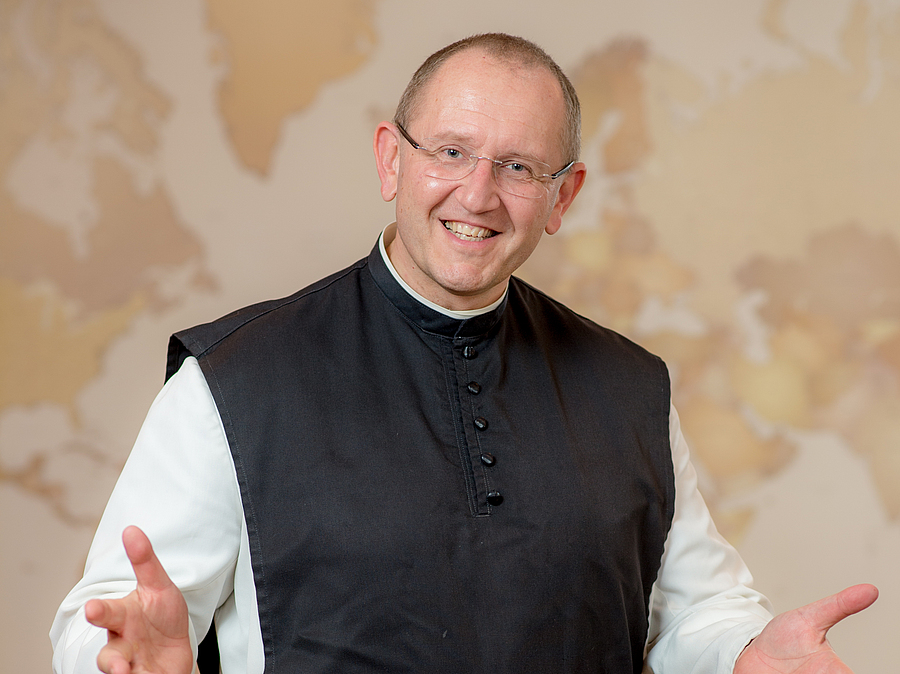
As church attendance declines in Europe and North America, a significant shift is occurring within the global Catholic Church. Increasingly, attention is turning to Africa, a continent experiencing rapid population growth and a burgeoning Catholic population. P. Karl Wallner, National Director of the Pontifical Mission Societies of Austria (missio), argues that greater focus on the development of the Church in Africa must be a “maximal concern” for those in Europe. This comes as a new YouTube series, a collaboration between missio and the German weekly newspaper *Die Tagespost*, highlights the realities and potential of the Church across the African continent. The series aims to showcase Africa not just as a region in need of aid, but as a potential source of renewal and future leadership for the Catholic faith.
The demographic trends are stark. While Europe grapples with declining Catholic numbers, Africa is projected to see its population increase by a billion people by 2090. This growth is coupled with a vibrant faith life, something Wallner suggests has been lost in many Western churches. “While the number of Catholics is inevitably decreasing here, we are seeing an awakening there,” he stated, emphasizing the importance of supporting Africa’s development so it can, in turn, “bring Christ back to us.” This sentiment reflects a growing belief that the future of the Catholic Church may well lie in Africa’s hands.
The idea of an African Pope is also gaining traction, with Wallner expressing his hope to witness a Black Pope during his lifetime. He cites his experiences traveling throughout Africa, where he has met “many highly intelligent bishops” possessing the qualities needed for such a role. This aspiration isn’t merely symbolic; it speaks to a desire for a more representative and globally diverse leadership within the Church.
Religious Dynamics and Challenges in Africa
Africa’s religious landscape is complex and dynamic. Traditional beliefs, including ancestor worship and spiritualism, continue to hold sway in many parts of sub-Saharan Africa. However, the arrival of Christianity, often seen as offering “redemption from demon worship,” has resonated deeply with many communities. This isn’t happening in a vacuum, however. The continent is also experiencing increasing competition from other religions, particularly Islam, which is actively proselytizing in certain regions. According to reports, the Catholic Church’s strength in Africa lies in its genuine faith and strong connection to God, qualities Wallner believes have diminished in Europe.
This religious competition plays out against a backdrop of significant socio-economic challenges. Wallner highlighted issues such as overpopulation, hunger, persecution, and the increasing influence of China in the region. These challenges are compounded by the vital role the Church plays in providing social services, with priests often acting as social workers and advocates for their communities. Addressing these issues requires investment in education and vocational training, as Wallner notes, “Opening a school closes a prison.” He also believes that economic opportunity can reduce migration pressures.
Missio’s Focus: Supporting a Growing Church
The Pontifical Mission Societies, through missio Austria, are actively working to support the growth of the Church in Africa. A key focus is fostering vocations to the priesthood. Wallner recounts visiting seminaries, such as the one in Kampala, Uganda, that are filled with hundreds of aspiring priests. This surge in vocations demonstrates the vitality of the Church in Africa and the need for continued support. Missio supports these efforts through initiatives like sponsorship programs, aimed at providing resources for seminarians and future Church leaders.
The new YouTube series, featuring Wallner, will delve into specific countries and the challenges they face. The first installment focuses on the broader question of the Church’s growth in Africa. Subsequent episodes will highlight the dire situation in South Sudan, a country ravaged by civil war where children are particularly vulnerable to hunger, violence, and a lack of opportunity. The series will also examine the challenges faced by a hospital in Nigeria, hampered by a lack of essential medical equipment, and the function of missio Austria in Mozambique, specifically at the St. Charles Borromeo Hospital. The series will address the issue of child labor in the mica mines of Madagascar.
The Broader Context: Africa as a “Continent of Hope”
The narrative surrounding Africa’s role in the Catholic Church is evolving. As reported by katholisch.at, Wallner has consistently described Africa as a “continent of hope” for the Church. This perspective is rooted in the continent’s demographic trends and the evident faith of its people. While Christianity faces challenges in Europe, where We see increasingly marginalized, the Church in Africa is experiencing growth and renewal. This growth is not simply numerical; it’s also characterized by a deep-seated joy in faith and a strong connection to God.
The challenges facing the Church in Africa are significant, but so too is its potential. Supporting the Church’s development in Africa is not just a matter of charity; it’s an investment in the future of the Catholic faith. The YouTube series featuring P. Karl Wallner aims to shed light on these realities and inspire greater engagement with the Church’s mission in Africa. The series is a timely reminder that the future of Catholicism may well be shaped by the experiences and contributions of African Catholics.
The next installment of the YouTube series, focusing on the specific challenges in South Sudan, is scheduled for release on March 24, 2026. Viewers can find the series on the *Die Tagespost* YouTube channel. We encourage readers to share their thoughts and perspectives on this important topic in the comments below.