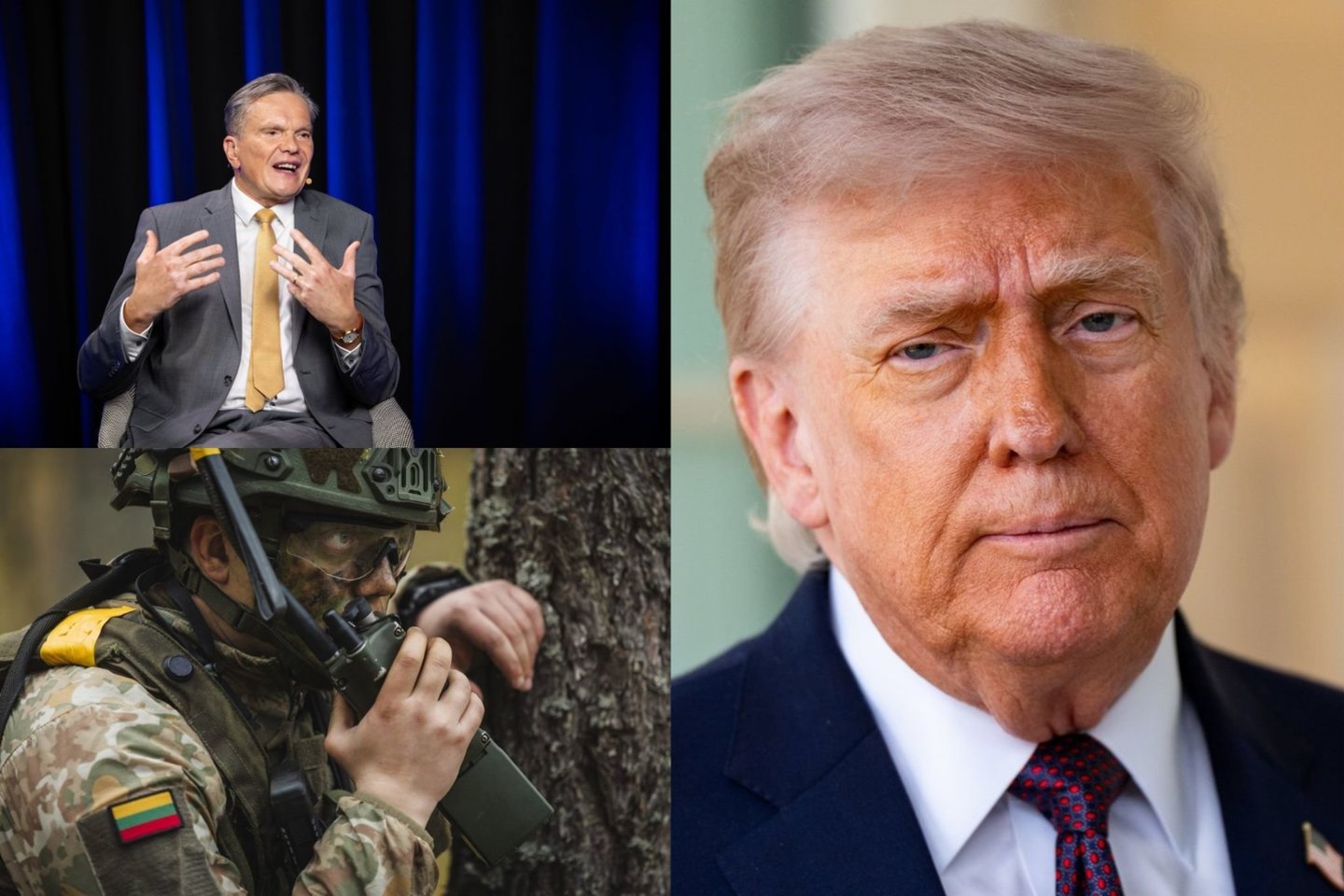
On April 21, 2026, Lithuanian diplomat Eitvydas Bajerūnas offered a measured assessment of recent developments in transatlantic relations following criticism from Europe regarding former U.S. President Donald Trump’s approach to the war in Ukraine. Speaking in Brussels, Bajerūnas, who serves as Lithuania’s ambassador and a representative of the Lithuanian Industrialists’ Confederation, urged calm and strategic thinking rather than panic in response to signals from Washington.
His remarks came after a meeting between Trump and Ukrainian President Volodymyr Zelenskyy, which Bajerūnas described as containing some concerning undertones but ultimately lacking confirmation of the more alarming scenarios that had been speculated. He noted that while there had been rumors suggesting Trump might push for a Russian battlefield advantage without conditions or territorial concessions, these did not materialize as the U.S. President adopted a more restrained tone during the talks.
Bajerūnas emphasized that the key takeaway for Europe and Lithuania is not to react impulsively but to focus on what actions they can take independently to strengthen their position and contribute to peace efforts. “The most important thing today is not to fall into panic over dangerous signals from the United States, but to feel about what Europe and Lithuania can do on their own,” he stated, according to reports from Lithuanian media outlets covering his commentary.
He also acknowledged that while a ceasefire remains a possible path to ending the conflict, any lasting resolution would require more than just a pause in fighting. Referencing the complexity of achieving peace, Bajerūnas suggested that temporary lulls in hostilities do not automatically lead to formal peace agreements, underscoring the need for sustained diplomatic engagement.
The ambassador’s comments reflect broader concerns among NATO allies and European partners about the direction of U.S. Foreign policy under shifting political dynamics, particularly regarding support for Ukraine and security guarantees for Eastern European flank states. Lithuania, which has consistently advocated for robust defense spending and regional solidarity, continues to monitor developments closely as it balances national security commitments with alliance coordination.
As of this date, no formal changes to U.S. Aid or military support for Ukraine have been announced following the Trump-Zelenskyy meeting, and diplomatic channels between Washington, Kyiv, and European capitals remain active. Bajerūnas’s call for deliberate action aligns with ongoing efforts by Baltic states to enhance defense preparedness while advocating for a unified European response to ongoing geopolitical challenges.
For updates on Lithuania’s foreign policy stance and regional security developments, readers are encouraged to consult official statements from the Ministry of Foreign Affairs of the Republic of Lithuania and the NATO Secretariat.
Share your thoughts on this development in the comments below, and facilitate spread informed discussion by sharing this article with others interested in international affairs.
Worth a look
- Senate Panel Votes to Hold Anthony Fauci in Contempt: Rand Paul Seeks Prosecution
- Norfolk Police Respond to Thetford Residential Area as Third Night of Protests Begins
- Judge Delays Trump’s Financial Records Handover to BBC (archyde.com)
- Trump Denies US Munitions Shortages Amid Reports of Tense Cabinet Meeting (time.news)