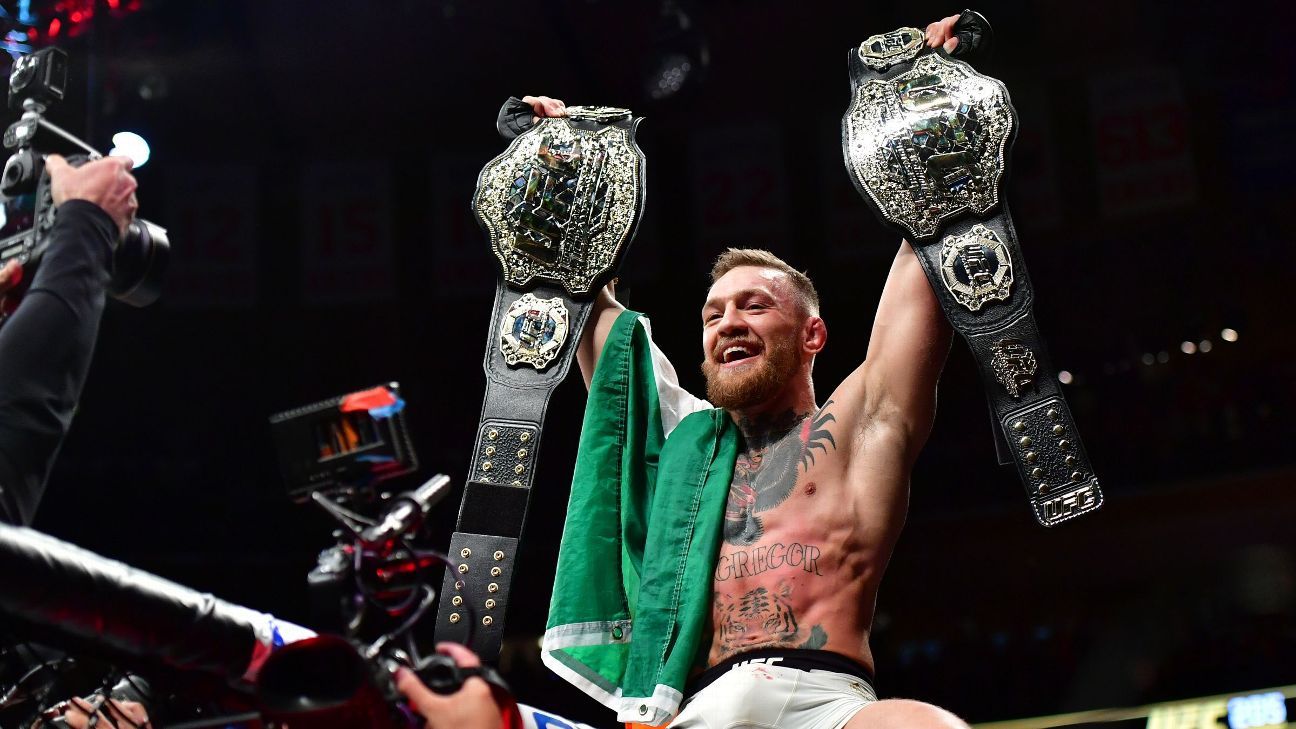
The landscape of professional mixed martial arts is constantly shifting, yet few names carry the gravitational pull of Conor McGregor. As an editor who has followed the sport’s evolution for over a decade, I have observed many fighters rise and fall, but the Irish athlete’s ability to dominate the global conversation remains a singular phenomenon. Even after extended periods of inactivity, the mere mention of his return to the Octagon sends shockwaves through the industry, proving he remains the UFC’s greatest draw.
For fans and analysts alike, the anticipation surrounding a McGregor fight is about more than just the technical aspects of the bout; it is about the spectacle, the history, and the sheer commercial magnitude he brings to the sport. As we look toward the future of the Ultimate Fighting Championship, McGregor’s influence on the promotion’s visibility is unmatched, cementing his status as a central pillar of modern combat sports.
The Evolution of a Combat Sports Icon
Conor Anthony McGregor, born in July 1988, has carved out a career that is defined by historic milestones. He first made his mark as a dual-division champion, becoming the first fighter in the history of the Ultimate Fighting Championship (UFC) to hold championships in two weight classes simultaneously. This achievement not only elevated his personal brand but also expanded the global reach of the UFC, drawing in audiences who might not have otherwise engaged with professional mixed martial arts.
Before his rise to international stardom, McGregor competed in the Cage Warriors Fighting Championship (CWFC), where he also secured championships in both the featherweight and lightweight divisions. His transition to the UFC in 2013 marked the beginning of a rapid ascent, characterized by a string of high-profile victories that showcased his striking prowess and his unique ability to command the spotlight. For those looking to understand his professional trajectory, official records are maintained through ESPN’s fighter profiles, which track his bouts, weight divisions, and performance history.
Understanding the Commercial Impact
Why does McGregor continue to command such immense attention, even after years away from the cage? The answer lies in his role as a transformative figure for the UFC. In sports journalism, we often discuss the “draw” of an athlete—a combination of charisma, competitive history, and the ability to market a narrative. McGregor possesses these traits in abundance. His career, which began in 2008, has seen him navigate the transition from a regional prospect to a global icon whose fight cards consistently serve as massive pay-per-view events.
The economic impact of his presence is a significant factor in the sport’s growth. When McGregor is scheduled to fight, the entire ecosystem of the UFC—from broadcasting partners to merchandise sales—experiences a noticeable surge in interest. This “McGregor effect” is a documented reality of the sport, where his participation elevates the platform for every other athlete on the card. It is a testament to the power of a single personality to drive engagement in a sport that is inherently team-independent.
The Challenges of the Modern Fighter
the path of a professional mixed martial artist is fraught with challenges. McGregor’s career has not been without its complexities, including public scrutiny and various legal headlines. These elements are part of the broader story of a public figure operating under the intense pressure of global fame. Understanding his career requires a balanced perspective that acknowledges both his athletic contributions and the realities of his life outside the cage.
As the sport continues to mature, athletes are increasingly facing the dual burden of maintaining elite performance levels while navigating the demands of a 24/7 media cycle. For McGregor, the challenge has always been to reconcile his status as a high-level competitor with his role as a global brand. His ability to balance these identities is what keeps him at the forefront of the conversation, regardless of his current status in the division rankings.
What Lies Ahead for the Octagon
As of May 2026, the discussion surrounding McGregor’s future remains a focal point for the organization. While rumors and reports about potential opponents and return dates are constant in the sports media landscape, it is essential to prioritize official announcements from the UFC and the fighter’s own representatives. The sport of MMA is unpredictable, and the journey back to the cage for any athlete involves rigorous training, medical clearance, and complex negotiations.
For fans, the best way to stay informed is to follow official UFC communication channels. As we wait for confirmed details regarding his next appearance, the focus remains on his legacy and the indelible mark he has left on the sport of mixed martial arts. Whether or not he steps back into the Octagon, his impact on the popularity and professionalization of the UFC is already firmly established in the history books.
What are your thoughts on McGregor’s influence on the sport? Do you believe his return will shift the current landscape of the lightweight or welterweight divisions? Join the conversation in the comments section below and share this article with fellow fight fans.
Worth a look