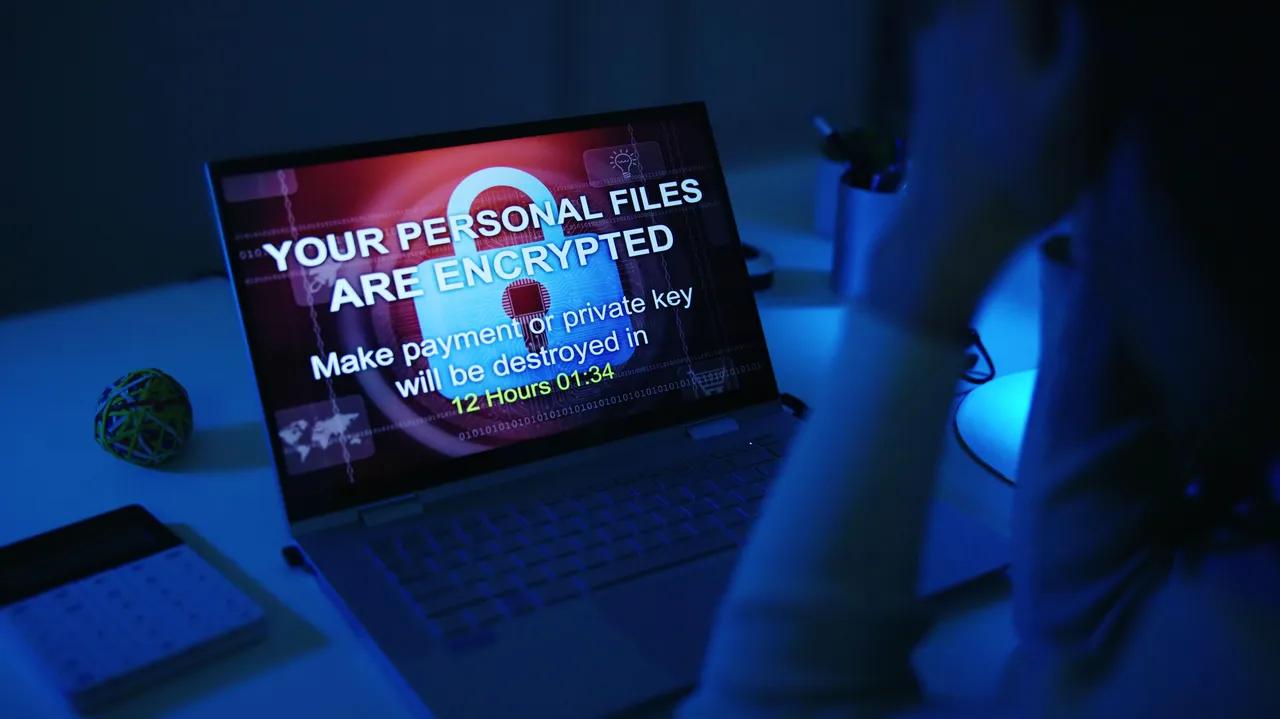
In a significant move to disrupt the cybercrime ecosystem, Microsoft has taken legal action against a malicious operation known as Fox Tempest. The company unsealed a case in the U.S. District Court for the Southern District of New York, targeting a service that has been facilitating cyberattacks by disguising malware as legitimate, trusted software since May 2025, according to official company reports.
For many users, the labels “verified,” “secure,” and “safe to install” serve as the primary indicators of software integrity. Fox Tempest, however, functioned as a malware-signing-as-a-service (MSaaS) provider, manipulating these trust signals to deliver malicious code. By fraudulently accessing tools such as Microsoft’s Artifact Signing, the service enabled bad actors to bypass security protocols, resulting in the infection of thousands of machines and the compromise of networks on a global scale.
Disrupting the Malware-Signing Ecosystem
The legal action represents a strategic shift in how technology firms are addressing the infrastructure that supports cybercriminal activities. Rather than focusing solely on individual attacks, Microsoft is targeting the “enablers”—the services that prepare and optimize the techniques used by ransomware gangs. As part of its disruption efforts, the company seized the domain signspace[.]cloud and took hundreds of virtual machines offline that were integral to the operation. Microsoft blocked access to the site hosting the underlying malicious code used by the service.
The impact of this intervention is already being observed within the digital underground. According to Microsoft’s security analysis, cybercriminals have reported significant challenges in accessing the service following these disruptions. This initiative complements ongoing internal efforts to revoke fraudulently obtained code-signing certificates and strengthen security features designed to detect and thwart similar malicious activity in the future.
The Role of Ransomware Groups
The investigation into Fox Tempest revealed that its infrastructure was not an isolated tool but a critical resource for prominent ransomware actors. Microsoft identified a group known as Vanilla Tempest as a co-conspirator in the case. This group has been linked to the deployment of various types of malware, including Oyster, Lumma Stealer, and Vidar, as well as the Rhysida ransomware, which has been used in multiple recent cyberattacks.

By providing a mechanism to disguise these threats as legitimate software, Fox Tempest allowed these groups to increase their success rates in breaching organizations. The lawsuit seeks to dismantle the operational backbone of these criminal entities, marking a notable escalation in the industry’s response to the professionalization of cybercrime.
What This Means for Digital Security
The Fox Tempest case underscores the persistent challenge of maintaining trust in software ecosystems. As attackers evolve their methods to exploit the very systems designed for verification, the burden on both software providers and end-users continues to grow. For businesses and individual users, this development serves as a reminder to remain vigilant, even when software appears to carry standard security credentials.
Microsoft’s ongoing efforts to enhance defense mechanisms are part of a broader, industry-wide focus on “secure-by-design” principles. By targeting the supply chain of cybercrime, companies aim to raise the cost and difficulty for attackers, effectively pushing back against the normalization of sophisticated, automated malware delivery.
Key Takeaways
- Microsoft has filed a legal case in the U.S. District Court for the Southern District of New York against Fox Tempest, an MSaaS provider.
- The service had been active since May 2025, enabling the distribution of malware by abusing code-signing tools.
- Disruption efforts included the seizure of the signspace[.]cloud domain and the decommissioning of hundreds of virtual machines.
- Vanilla Tempest, a ransomware group, was identified as a key user of the service for deploying malware such as Rhysida.
As the legal proceedings in the Southern District of New York continue, the tech community awaits further updates regarding the potential impact on other cybercrime networks. We will continue to monitor this situation as more information becomes available through official court filings and security advisories. If you have thoughts on this development or have observed similar trends in software security, please share your perspective in the comments section below.
Related reading
- Social Media Giants Face Historic Lawsuit Over Mental Health Impact
- Apple Signals September iPhone Event Date and Schedule Clues
- Microsoft Attributes CaptiveCrunch to Russian Threat Actor Midnight Blizzard (archynewsy.com)
- Microsoft Links CaptiveCrunch to Russian Threat Actor Midnight Blizzard (newsdirectory3.com)