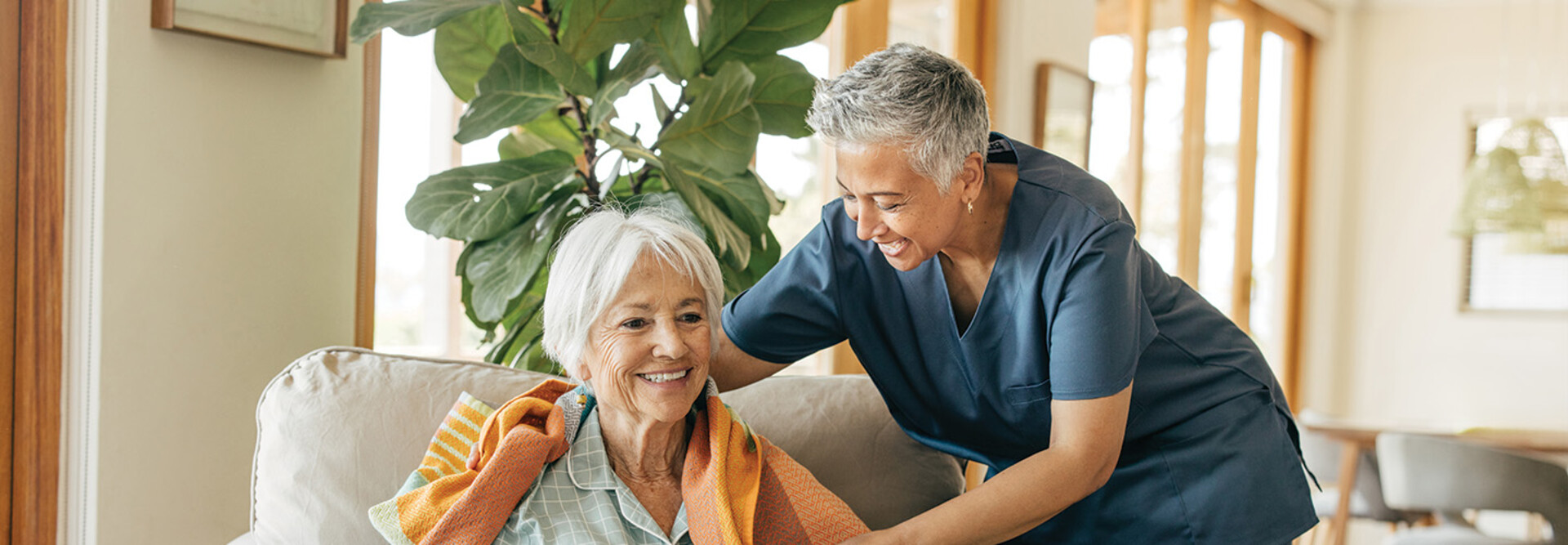
Global dementia prevalence is projected to reach millions of people by 2050, according to the World Health Organization, prompting a systemic shift toward AI-driven diagnostics and assistive robotics to address critical caregiver shortages and the rising demand for home-based long-term care.
Healthcare systems are currently facing a collision between rising case rates and a dwindling workforce of professional caregivers. This shortage is forcing a transition in how medical providers approach cognitive decline, moving away from centralized institutional care toward “aging in place” models supported by technology. The World Health Organization reports that millions of people worldwide are currently living with dementia, a figure that continues to climb as global populations age (World Health Organization).
The integration of artificial intelligence (AI) and robotics is no longer theoretical. Research groups are now deploying assistive-intelligence systems in real home environments to monitor patient safety and detect early signs of cognitive deterioration. These tools aim to reduce the burden on unpaid family caregivers, who often provide the bulk of daily support without formal medical training or systemic financial aid.
How is AI changing early dementia detection?
Early detection is the primary hurdle in dementia care because symptoms often overlap with normal aging until significant neurological damage has occurred. AI is shifting the diagnostic timeline by identifying “digital biomarkers”—subtle changes in speech, gait, and typing patterns that are invisible to human clinicians. According to research published in journals like The Lancet, machine learning models can now analyze voice recordings to detect linguistic markers of Alzheimer’s disease years before a clinical diagnosis is possible.

The most significant leap in diagnostics is the move toward blood-based biomarkers. For decades, a definitive diagnosis required expensive PET scans or invasive cerebrospinal fluid draws. New AI-enhanced blood tests targeting proteins like p-tau217 are showing high accuracy in detecting amyloid plaques in the brain. The Alzheimer’s Association notes that these advancements are critical for expanding access to new disease-modifying therapies, which are only effective in the early stages of the disease (Alzheimer’s Association).
Comparing these methods reveals a stark difference in accessibility. A PET scan can cost several thousand dollars and requires specialized imaging centers, often limiting it to wealthy patients in urban areas. In contrast, a blood test administered at a primary care clinic costs a fraction of that amount. This shift allows for population-level screening, meaning patients can receive interventions—such as lifestyle changes or new medications—much sooner.
Why is the caregiver shortage driving robotics in home care?
The “care gap” refers to the discrepancy between the number of people requiring dementia care and the available professional workforce. In many developed nations, the number of nursing home staff is not keeping pace with the aging “baby boomer” generation. This has created a reliance on the “sandwich generation”—adults who are simultaneously caring for their children and their aging parents.

Socially assistive robots (SARs) are being introduced to fill specific gaps in social interaction and cognitive stimulation. Unlike industrial robots, SARs like the PARO therapeutic seal or more advanced humanoid companions are designed to reduce agitation and loneliness. These robots provide a consistent, non-judgmental presence that can calm patients during “sundowning” periods—the late-afternoon confusion common in dementia patients.
Beyond emotional support, assistive-intelligence systems are now monitoring physical safety. AI-powered sensors can detect a fall or a change in sleep patterns without the use of invasive cameras. These systems alert caregivers in real-time, allowing patients to remain in their homes longer. This “aging in place” strategy is generally preferred by patients and reduces the high costs associated with long-term residential care facilities.
What are the risks and limitations of tech-driven care?
While technology offers a solution to staffing shortages, it introduces new ethical and clinical challenges. The primary concern is the “depersonalization” of care. Dementia care is fundamentally rooted in human connection; there is a risk that robots may be used to replace human interaction rather than supplement it. Medical ethics boards emphasize that technology should handle the routine monitoring and repetitive tasks, freeing human caregivers to provide emotional and psychological support.
Data privacy is another critical friction point. AI systems that monitor a patient’s every movement and word generate massive amounts of sensitive health data. There are currently few global standards on who owns this data and how it is protected from third-party exploitation. As these systems move from controlled university trials into private homes, the risk of data breaches increases.
There is also the issue of the “digital divide.” Advanced AI diagnostics and home robotics are expensive. If these tools remain available only to high-income families, the gap in health outcomes between socioeconomic classes will widen. Public health officials are calling for policy frameworks that integrate these technologies into national health insurance schemes to ensure equitable access.
How do current care models compare?
| Care Model | Primary Focus | Key Tools | Main Limitation |
|---|---|---|---|
| Institutional Care | Safety and Medical Oversight | Nursing Staff, Clinical Facilities | High cost, loss of autonomy |
| Family-Led Care | Emotional Connection | Unpaid Caregivers, Home Settings | Caregiver burnout, lack of training |
| Tech-Augmented Care | Efficiency and Monitoring | AI, SARs, Digital Biomarkers | High initial cost, privacy risks |
What happens next for dementia policy?
The focus is shifting toward “person-centered care,” a model that prioritizes the individual’s preferences and history over a standardized medical checklist. Governments are beginning to recognize that dementia is not just a medical issue but a social one. This involves modifying urban environments to be “dementia-friendly,” such as improving signage and lighting to reduce patient disorientation in public spaces.

The World Health Organization is continuing to push its Global Action Plan on the Public Health Response to Dementia. This plan encourages member states to integrate dementia care into primary healthcare systems rather than treating it as a specialized niche. The goal is to ensure that a patient’s first point of contact—their family doctor—has the tools and training to identify early symptoms and refer them to the correct support services.
Investment is also flowing into “combination therapies.” Researchers are exploring how AI-driven cognitive training apps, combined with new pharmacological treatments, can slow the progression of the disease. The objective is to extend the period of “functional independence,” where a patient can still perform basic daily activities without total supervision.
The next major benchmark for the field will be the 2025 updates to global health guidelines regarding the clinical use of blood-based biomarkers for routine screening. These updates will determine if AI-driven blood tests become the standard first step in diagnosing cognitive decline worldwide.
Share this article to help others understand the evolving landscape of dementia care. We welcome your thoughts and experiences with assistive technologies in the comments below.