
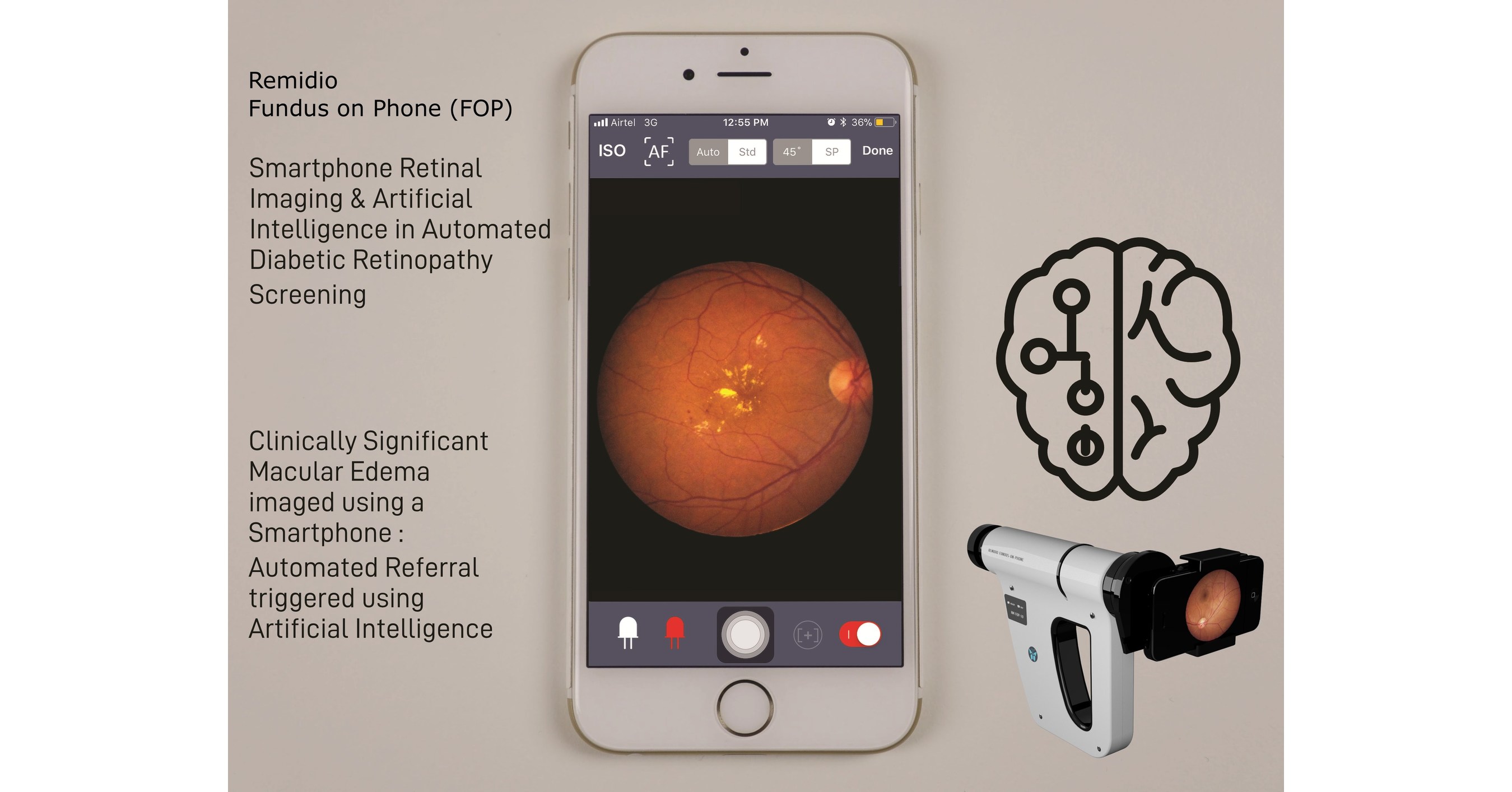
Smartphone-based self-screening utilizing artificial intelligence can accurately identify ocular surface malignancies, offering a potential pathway for earlier detection of rare eye cancers. A study published in the June 2024 issue of JAMA Ophthalmology indicates that integrating high-resolution smartphone imaging with machine learning algorithms provides an effective strategy for screening lesions that might otherwise go unnoticed until advanced stages.
As a physician, I recognize that the ocular surface—the conjunctiva and cornea—is often overlooked during routine primary care screenings. Ocular surface squamous neoplasia (OSSN) and other malignancies, while rare, require timely intervention to preserve vision and prevent systemic metastasis. The use of accessible, non-invasive technology to bridge the gap between initial observation and specialist referral represents a significant shift in ophthalmic triage.
The Mechanics of AI-Driven Ocular Screening
The research, led by clinical investigators, centered on training deep learning models to distinguish between benign ocular surface conditions and malignant growths. By utilizing standardized smartphone photography, the researchers captured images of the eye, which were then processed by an AI system designed to detect specific morphological features indicative of malignancy. According to the findings published in JAMA Ophthalmology, the algorithm achieved high sensitivity and specificity, effectively categorizing lesions that require immediate biopsy or surgical consultation.
This approach addresses a persistent challenge in ophthalmology: the delay in diagnosis for rare ocular surface tumors. Because these conditions often mimic common inflammatory issues like chronic conjunctivitis or pterygium, patients frequently experience a prolonged diagnostic odyssey. The AI tool acts as a clinical decision support system, providing an objective assessment that can help general practitioners and optometrists determine which patients need urgent referral to an ocular oncologist.
Addressing Diagnostic Barriers in Global Health
The global burden of ocular malignancies is difficult to quantify due to underreporting and limited access to specialized care, particularly in resource-limited settings. Ocular surface malignancies, such as squamous cell carcinoma, are more prevalent in regions with high ultraviolet radiation exposure, according to the World Health Organization (WHO), which monitors global trends in eye health and preventable blindness. By leveraging existing smartphone technology—a tool widely available even in remote areas—this screening method lowers the barrier to entry for early diagnostic evaluation.
The integration of AI into this workflow does not replace the physician’s clinical judgment, but rather augments it. In my experience at Charité, the most effective digital health tools are those that integrate seamlessly into existing patient workflows. The study highlights that by standardizing how images are captured and analyzed, clinicians can reduce the variability inherent in subjective visual inspections of the eye.
Accuracy and Clinical Limitations
While the results are promising, the study authors emphasize that AI-driven diagnostics must be validated across diverse populations before widespread adoption. The performance of machine learning models can be influenced by demographic factors, such as skin pigmentation and the presence of pre-existing ocular surface diseases. Current guidelines from the American Academy of Ophthalmology continue to prioritize comprehensive clinical examinations, including slit-lamp biomicroscopy, as the gold standard for diagnosing ocular surface lesions.

Furthermore, the reliance on smartphone imaging necessitates high-quality, well-lit photographs. Factors such as motion blur, improper focus, or inadequate lighting can significantly impact the algorithm’s diagnostic output. Therefore, the technology is currently positioned as a screening mechanism—a tool to flag potential concerns—rather than a definitive diagnostic instrument that replaces a pathologist’s review of biopsied tissue.
Future Directions for Ocular Oncology
The next phase of this research involves prospective clinical trials to evaluate the utility of the AI tool in real-world settings, such as community health clinics and urgent care centers. Researchers are also looking into how these models can be updated to include a broader spectrum of ocular surface pathologies, including rare pigments or vascular anomalies that were not represented in the initial training datasets.

For patients, this development is a reminder of the importance of monitoring changes in the appearance of the eye. Any persistent growth, discoloration, or change in the ocular surface should be evaluated by an eye care professional. As these technologies mature, they will likely become standard components of the digital health toolkit, ensuring that ocular health is maintained through proactive, rather than reactive, care.
As the medical community continues to review the implementation of artificial intelligence in ophthalmology, further updates are expected from major ophthalmic conferences and regulatory bodies regarding the standardization of these diagnostic tools. I encourage readers to follow updates from the American Academy of Ophthalmology for verified guidance on eye health screening and to share this information with those who may benefit from increased awareness of ocular surface health.