
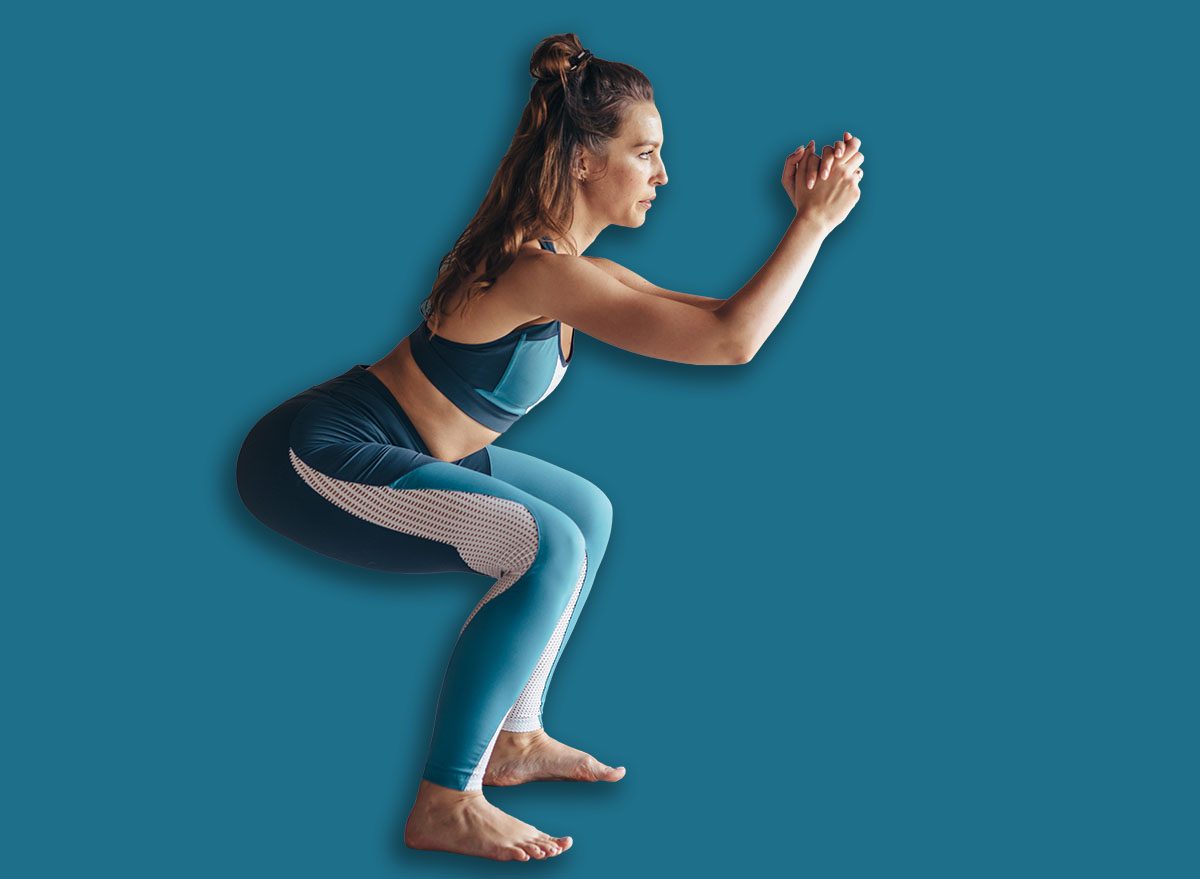
Maintaining joint health after age 60 requires a shift from high-intensity training to movements that prioritize resilience, joint integrity, and functional stability. As we age, the natural reduction in cartilage lubrication and the gradual loss of muscle mass, known as sarcopenia, can make traditional gym exercises, such as heavy knee extensions or explosive box jumps, potential sources of injury rather than strength. According to Doug Bertram, founder of the orthopedic wellness brand Structural Elements, the objective for individuals over 60 should be to improve overall movement quality and system-wide efficiency, which helps reduce localized stress on the knees.
When exercise intensity exceeds an individual’s current capacity for recovery, mobility, and balance, the risk of aggravating chronic knee pain increases. By replacing high-impact or high-shear movements with functional, controlled alternatives, older adults can maintain their independence and physical activity levels without compromising joint health. This approach focuses on building a foundation that supports daily activities, ensuring that the body functions as an integrated system.
Replacing Knee Extensions with Sit-to-Stand Movements
The standard knee extension machine found in many gyms is often cited by physical therapists as a potential risk for those with sensitive joints because it places significant, isolated stress on the patellofemoral joint. This movement patterns the quadriceps in a way that rarely mirrors the requirements of daily life. Instead of isolating the knee, experts recommend the sit-to-stand exercise.
The sit-to-stand movement is a functional alternative that strengthens the quadriceps while simultaneously engaging the hips, core, and balance systems. To perform this safely, begin by sitting at the edge of a sturdy, non-sliding chair with your feet positioned directly under your knees. Lean forward slightly, engage your core, and stand up using your legs without relying on your hands for support. Lower yourself back down with controlled, slow movement to maximize the eccentric muscle engagement, which is vital for maintaining strength as we age.
Managing Impact: From Running to Incline Walking
High-impact activities, such as running on asphalt or concrete, present substantial challenges to aging joints that may have already experienced years of wear. When mobility and recovery capacity naturally decline, the repetitive impact forces can accelerate the degradation of joint cartilage. For those who enjoy the cardiovascular benefits of running, brisk uphill walking or utilizing an incline setting on a treadmill provides a similar aerobic challenge while significantly lowering the peak impact forces transmitted through the knees and ankles.
This modification allows individuals to keep their heart rate in a target zone while protecting the structural integrity of the lower body. Research into joint health consistently highlights that low-impact, weight-bearing exercise is critical for bone density and cardiovascular health in older populations, according to guidance from the National Institute on Aging.
Refining Squat Mechanics with Box Squats
Deep, unassisted squats are often touted as a primary lower-body exercise, but they can prove counterproductive if an individual lacks the necessary ankle and hip mobility. When these joints are restricted, the knees are frequently forced to compensate by absorbing excess stress, which can lead to discomfort. The box squat serves as a safer, more mechanical alternative.
To perform a box squat, stand in front of a plyometric box or a stable bench with your feet hip-width apart. Keep your core tight and your chest lifted as you initiate the movement by hinging at the hips, as if you are sitting down. The box provides a tactile cue to ensure proper hip loading and prevents the knees from traveling too far forward. Lightly touch your glutes to the surface of the box before pressing through your heels to return to a standing position. This ensures that the glutes and hamstrings are doing the majority of the work, reducing shear force on the knee.
Transitioning from Walking Lunges to Controlled Step-Ups
Walking lunges, while effective for younger athletes, require a high degree of dynamic stability and can place significant shear forces on the knee joint if control is lost. For those over 60, step-ups offer a more stable environment to build unilateral strength. By utilizing a sturdy bench or step at knee level, you gain greater control over your knee alignment and the distribution of weight.

Holding a light dumbbell in each hand for stability, place one foot firmly on the step. Press through the heel to lift your body until the leg is straight. The key is to maintain a tall posture and an engaged core throughout the movement. This exercise provides the same strength-building benefits as lunges but allows for a more controlled range of motion, which is essential for preventing accidental joint strain.
Improving Coordination Without Explosive Jumping
Explosive movements like box jumps are designed for power production, but they require a level of joint resilience and rapid-fire shock absorption that may be diminished after 60. The high landing forces associated with jumping can be particularly taxing on the meniscus and articular cartilage. Instead, older adults can improve coordination, reaction time, and power through controlled, low-impact drills.
Exercises such as step-and-hold movements, lateral stepping patterns, or medicine ball rotations provide the necessary stimulus for neuromuscular adaptation without the high-impact landing. These movements train the body to stabilize under load, which is a key component in preventing falls and maintaining physical independence. By focusing on these alternatives, individuals can continue to challenge their bodies safely, ensuring that their exercise routine supports their long-term health goals.
For those interested in further developing a personalized exercise program, consulting with a physical therapist or a certified senior fitness specialist is the recommended next step. These professionals can assess your current range of motion and provide specific modifications tailored to your medical history. Readers are encouraged to share their experiences with these movement modifications in the comments section below.