
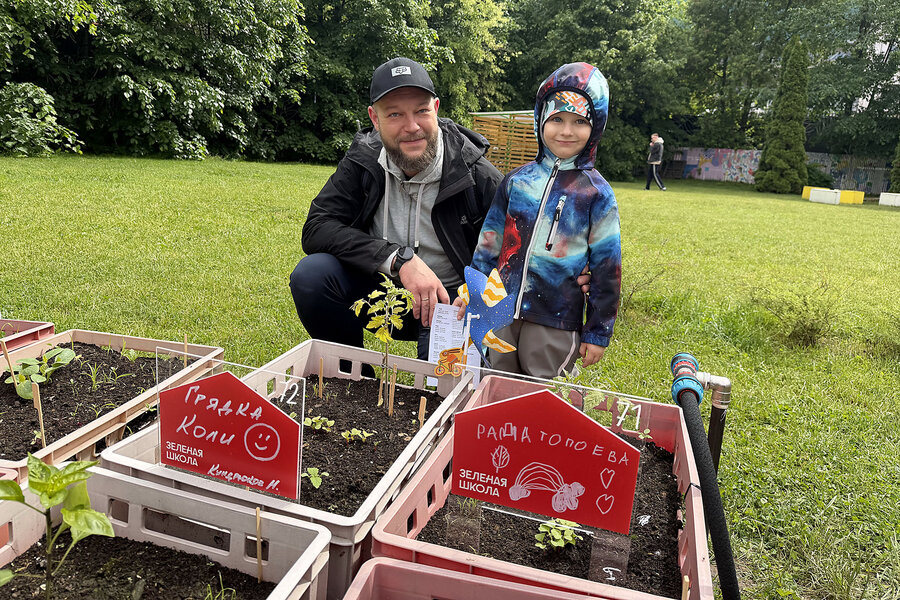
In Moscow’s Gorky Park, a growing movement of urban residents is returning to food cultivation, marking a shift in how some Russians interact with the land in an increasingly digitized and consumer-oriented society. While Russia has a deep-rooted historical reliance on private garden plots, known as dachas, for food security, the recent emergence of community-focused agricultural projects in central urban spaces highlights a modern interest in self-sufficiency and sustainable urban living. According to reports from the Moscow Times, these initiatives serve as both a hobby and a symbolic reclamation of traditional agrarian practices, even within the confines of a major metropolitan park system.
The trend of urban gardening in spaces like Gorky Park represents a departure from the conventional Soviet-era model of food production, which was largely relegated to rural or suburban peripheries. Today, the focus has shifted toward accessible, community-managed allotments that emphasize education, aesthetics, and local produce. This development reflects a broader global movement toward “urban farming,” where city dwellers seek to mitigate the disconnect between consumption and production. The Gorky Park administration has increasingly integrated these green spaces as part of its ongoing efforts to modernize the park’s function, moving beyond its historical role as a purely recreational area toward a multifunctional public hub.
The Historical Context of Russian Food Security
The connection between Russian citizens and the soil is historically significant, rooted in the necessity of the 20th century. During periods of economic instability in the Soviet Union, small-scale farming provided a critical safety net for millions of families. Research from the Wilson Center indicates that during the 1990s, private garden plots accounted for a substantial portion of the nation’s potato and vegetable production. This reliance was not merely a lifestyle choice but a fundamental component of household economic survival.

Modern urban gardening in Moscow differs significantly from these subsistence models. Participants in current Gorky Park initiatives are often younger, urban-dwelling professionals who view the practice as a way to build community and engage with nature rather than as a primary source of sustenance. This evolution in the use of public land is facilitated by urban planning policies that prioritize “smart city” features and public engagement, as noted by the Moscow Mayor’s Office in recent municipal development strategies. By providing resources for small-scale cultivation, city authorities aim to foster a sense of shared responsibility and local stewardship among residents.
Urban Farming and Social Cohesion
For many participants, the primary appeal of the Gorky Park gardening programs is the social environment they provide. Gardening acts as a bridge between generations, allowing older Russians with traditional agricultural knowledge to share techniques with younger, tech-savvy urbanites. This cross-generational exchange is documented in various ethnographic studies of Russian urban life, which suggest that public gardening spaces function as “third places”—environments distinct from work and home where social bonds are strengthened.

The impact of these gardens extends beyond the harvest. By transforming ornamental spaces into productive ones, participants report a greater sense of psychological well-being and a reduction in the stress associated with high-density urban living. According to data published by the Higher School of Economics (HSE), access to green spaces in Moscow is a key determinant of quality of life, with residents who actively participate in community greening projects reporting higher levels of satisfaction with their neighborhood environment. This participation is part of a wider trend of “grassroots urbanism” where citizens take a more active role in the design and management of their public surroundings.
Challenges and Future Outlook
Despite the popularity of these initiatives, there are inherent challenges to maintaining agricultural projects in a high-traffic urban park. Soil quality, water management, and the limitations of a short growing season in Moscow present ongoing hurdles for organizers. Furthermore, the reliance on municipal support means that the longevity of these projects is often tied to shifting city priorities and budget allocations. The Department of Culture of the City of Moscow manages the park’s operational framework, and any long-term expansion of these gardening programs would require formal integration into the city’s broader landscape management plan.

As the city continues to evolve, the integration of food-producing gardens into public spaces like Gorky Park remains a subject of interest for urban planners and sociologists alike. Whether this trend will expand to other districts or remain a localized phenomenon in Moscow’s flagship park depends on sustained resident interest and the ability of the city to balance public demand for green space with the infrastructure required for urban agriculture. Future developments will be outlined in upcoming municipal urban development forums, where stakeholders discuss the next phase of the “Green Moscow” initiative.
Readers interested in participating or learning more about the current gardening schedules and volunteer opportunities are encouraged to check the official Gorky Park website for seasonal updates and registration details. We invite our readers to share their thoughts on the role of urban agriculture in modern cities in the comments section below.