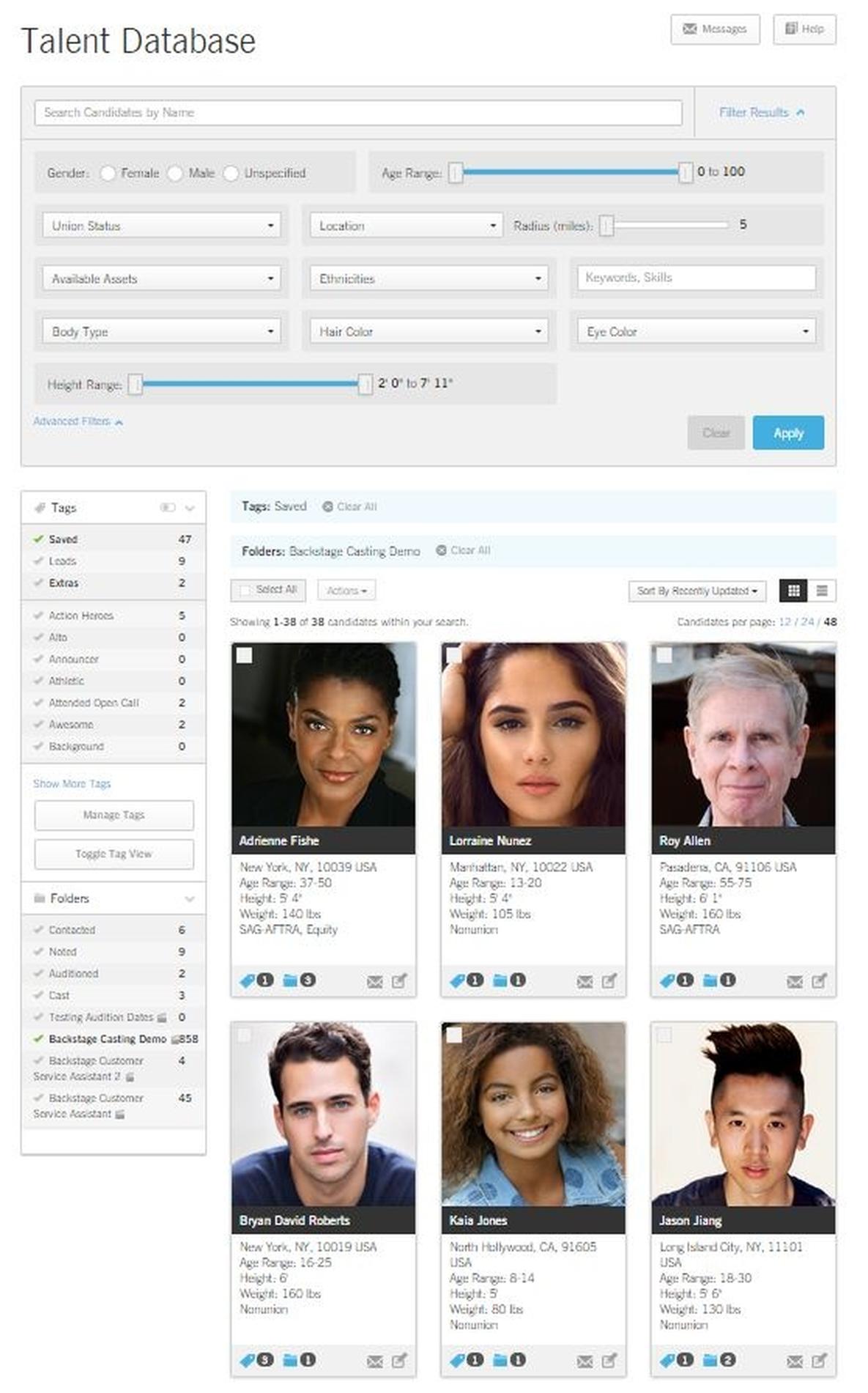
The intersection of artificial intelligence and the entertainment industry has reached a volatile flashpoint in China, as one of the country’s largest streaming giants faces a wave of backlash over the alleged unauthorized use of celebrity likenesses. IQIYI, often described as the Chinese equivalent of Netflix, has sparked industry-wide outrage following the unveiling of an AI Talent Database
designed to streamline the production of AI-generated films and dramas.
At the center of the controversy is a claim that more than 100 actors have agreed to let the platform utilize their biometric data—including voices and facial likenesses—to create digital clones. Yet, the narrative of consent has quickly unraveled, with several high-profile stars and their representatives publicly denying any such agreements, leading to a viral firestorm on social media platforms like Weibo.
The situation highlights a growing tension within the global creative economy: the drive for efficiency through generative AI versus the fundamental rights of performers to control their own identity. As iQIYI attempts to pivot toward a future of AI-unleashed creativity
, it has instead collided with a workforce terrified of digital obsolescence and the theft of their professional personas.
The ‘AI Talent Database’ Controversy
The conflict intensified in April 2026, after iQIYI CEO Gong Yu detailed the company’s strategy to integrate AI more deeply into film and television production. Central to this vision is the AI Talent Database, which reportedly includes 117 artists. The platform intended to use this library to generate content more rapidly and at a lower cost by deploying AI versions of established stars according to reports from DramaPanda.
The backlash began when names of prominent actors—including Chen Zheyuan, Zhang Ruoyun, Wang Churan, and Li Yitong—began circulating online as part of this database. Fans and industry observers quickly noticed a discrepancy: many of these actors had not announced any such partnership. Representatives for several of the listed stars subsequently pushed back, stating that they had never authorized the use of their likeness or voice for AI-related projects as reported by Layar Hijau.
The reaction on Weibo was swift and severe, with the phrase iQIYI has gone crazy
trending as users expressed fury over the perceived arrogance of the streaming giant. The controversy has forced the company to issue multiple clarifications throughout late April, attempting to explain its consent process while facing accusations that it prioritized technological ambition over legal and ethical boundaries.
Portrait Rights and the Threat of Digital Replacement
This dispute is not an isolated incident but part of a broader, systemic shift in the Chinese entertainment landscape. The industry is currently grappling with the emergence of entirely synthetic performers. For example, Youhug Media recently introduced two AI-generated actors, Qin Lingyue and Lin Xiyan, who possess their own social media presence and promotional content according to the Global Times.
While synthetic actors are new, the displacement of human talent is already being felt. In a stark illustration of this trend, a well-known actor specializing in “dominant boss” roles for short-form miniseries—having appeared in 200 such productions—recently reported returning to farming after being laid off due to the impact of AI as detailed by the South China Morning Post.
The core of the legal battle revolves around “portrait rights”—the legal protection against the unauthorized use of a person’s image. In China, these rights are increasingly under pressure as generative AI makes it possible to create “deepfake” performances that are indistinguishable from the real person. When a platform like iQIYI claims a database of 100+ stars, it isn’t just proposing a tool. it is proposing a paradigm shift where the actor’s physical presence is no longer required for a performance to be attributed to them.
Economic Impact on Production Hubs
The ripple effects of this AI transition are most visible in Hengdian, often called the “Chinese Hollywood.” This massive production hub is seeing a dramatic contraction in human employment. Industry insiders report that the shift is driven by a combination of AI integration, declining investment, and tighter content controls according to Vision Times.
The economic logic for studios is clear: AI actors do not require trailers, catering, insurance, or salaries for every day of shooting. They do not get tired, and they can be “directed” instantly through software. However, this efficiency comes at the cost of thousands of jobs, not only for lead actors but for the entire ecosystem of supporting cast, makeup artists, and wardrobe stylists who rely on physical productions.
Key Stakes in the AI Actor Debate
| Feature | Traditional Human Actor | AI-Generated Clone/Actor |
|---|---|---|
| Cost Structure | High (Salary, benefits, logistics) | Low (Initial data capture, compute cost) |
| Control | Collaborative / Director-led | Absolute / Software-driven |
| Rights | Contractual portrait rights | Contested biometric ownership |
| Scalability | Limited by human endurance | Infinite / Simultaneous takes |
What Happens Next?
The iQIYI controversy is likely to accelerate the demand for clearer regulatory frameworks regarding AI and biometric data in China. While the government has begun implementing rules for “deep synthesis” technology, the specific application of these rules to celebrity contracts and “digital twins” remains a gray area.
Industry observers are watching to see if the actors involved in the iQIYI database will pursue formal legal action for breach of portrait rights. Such a case could set a critical precedent for how likenesses are licensed in the age of generative AI, potentially leading to a new standard of “AI riders” in entertainment contracts that explicitly forbid the creation of digital clones without separate, high-value compensation.
The next critical checkpoint will be the official response from Chinese regulatory bodies regarding the legality of “talent databases” that utilize biometric data for commercial synthesis. Until then, the entertainment industry remains in a state of high anxiety, caught between the allure of technological progress and the fear of professional erasure.
Do you believe AI clones should be legal if the actor is paid a one-time fee, or should the right to one’s likeness be absolute? Share your thoughts in the comments below.